
Last updated September 22, 2026
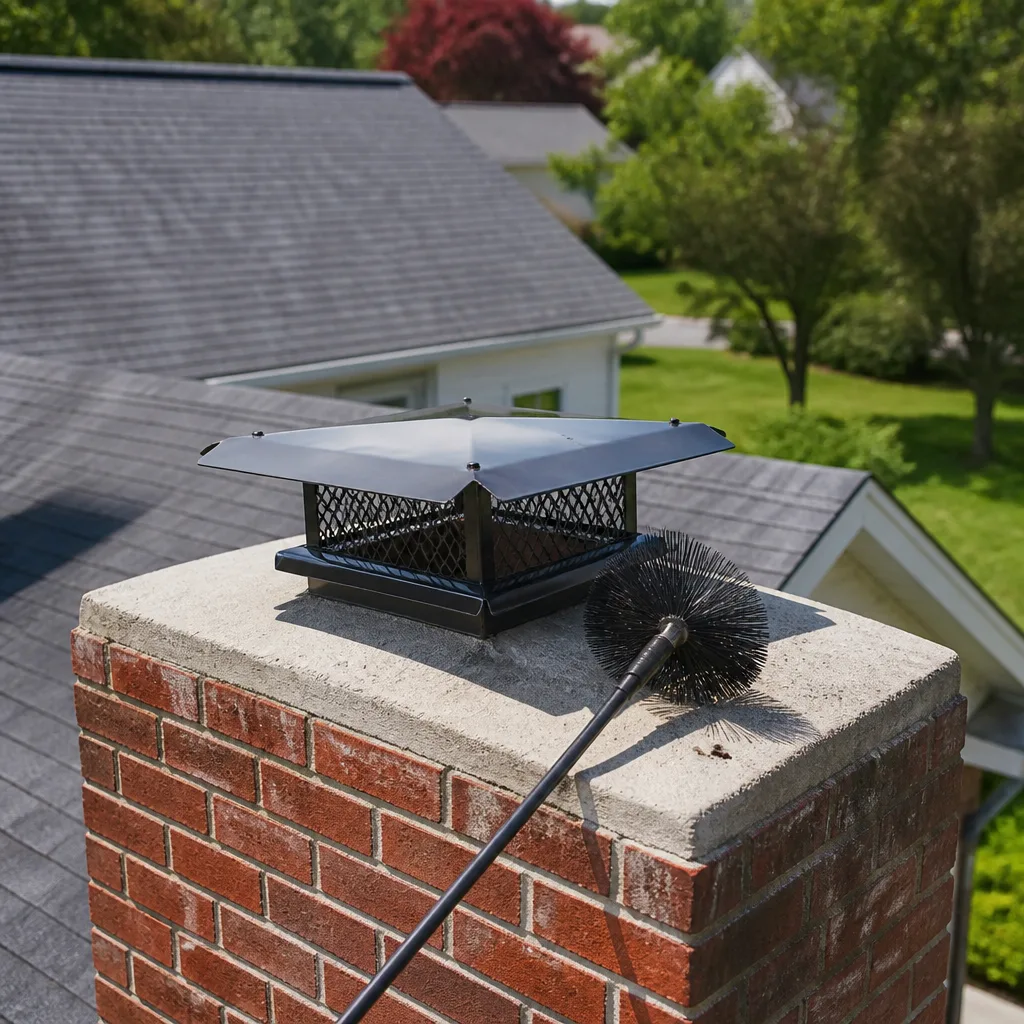
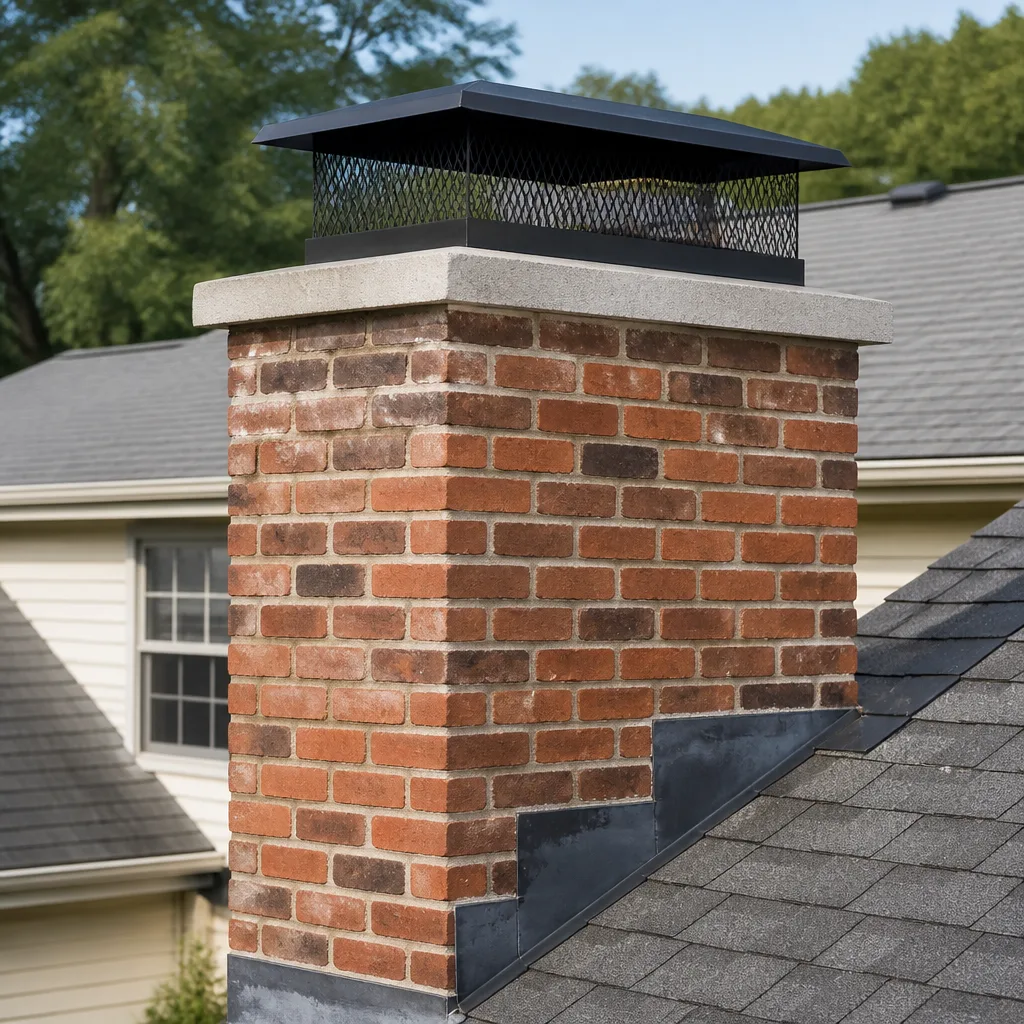
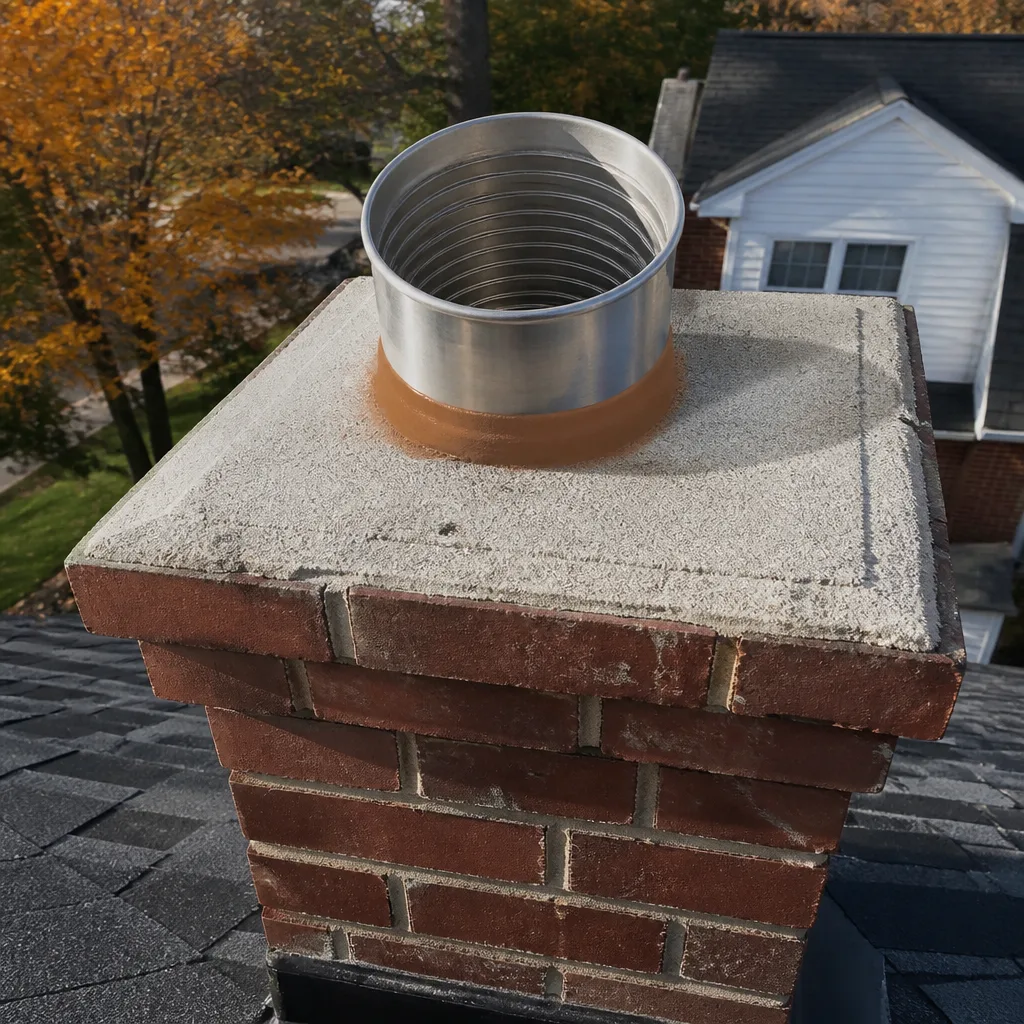
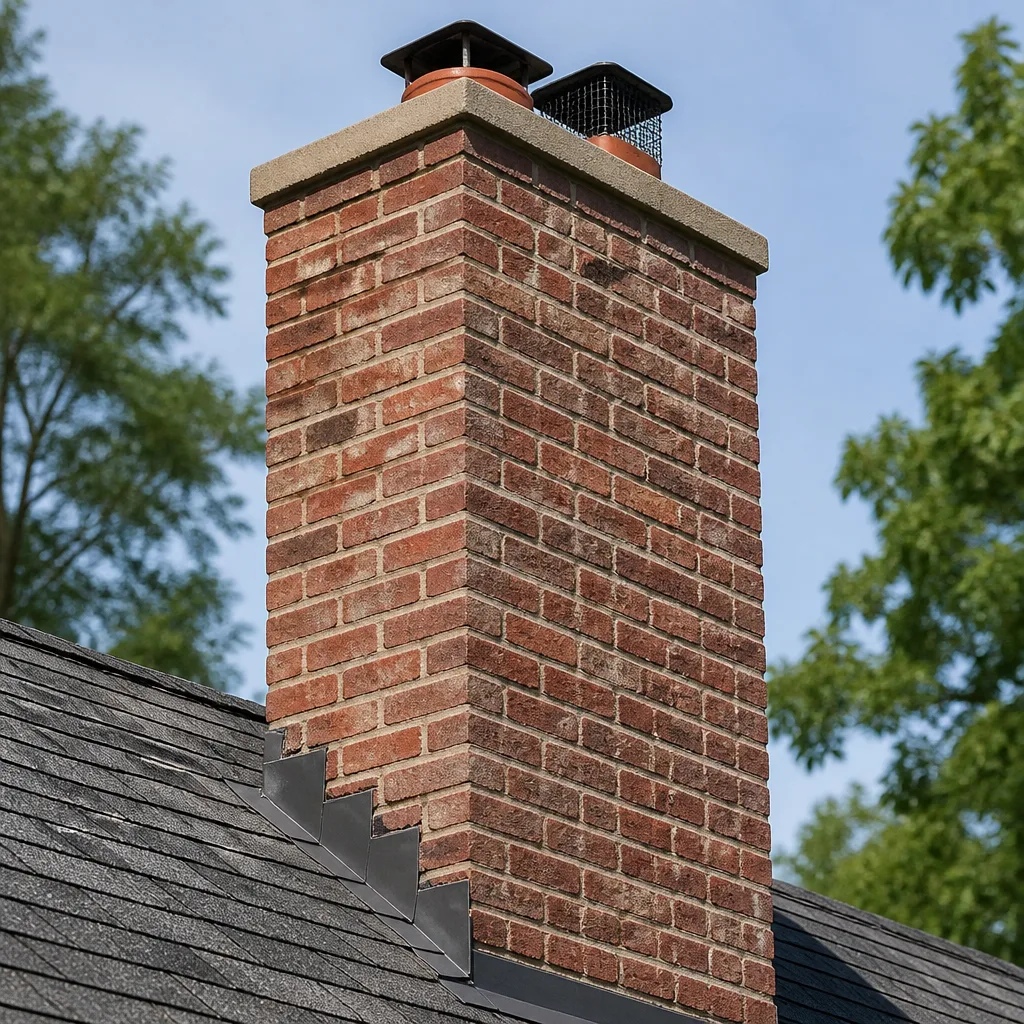
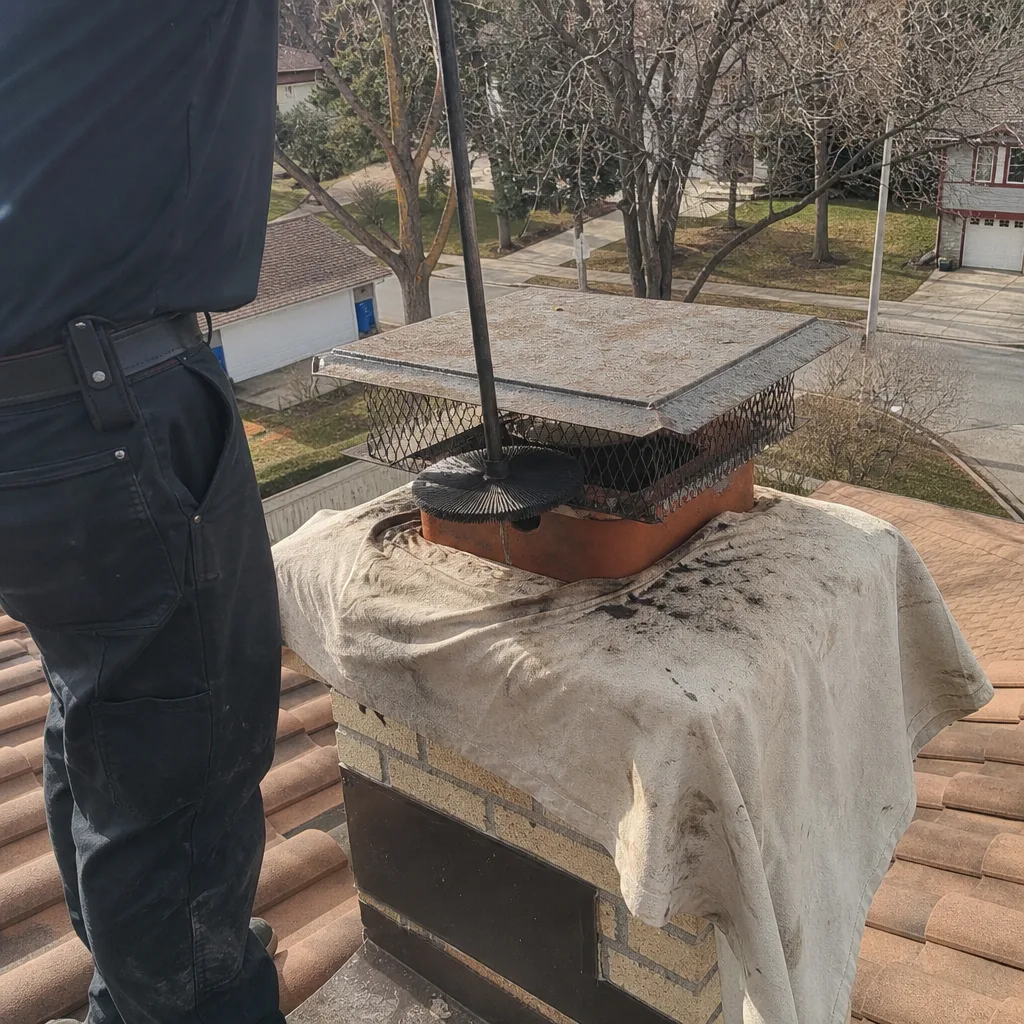
Level 1 sweep and inspection to the NFPA 211 annual standard - flue, crown, cap, and flashing checked and photographed
Chimney sweep logs do not sweep chimneys. They loosen some creosote - which then falls where a brush and vacuum still have to collect it.
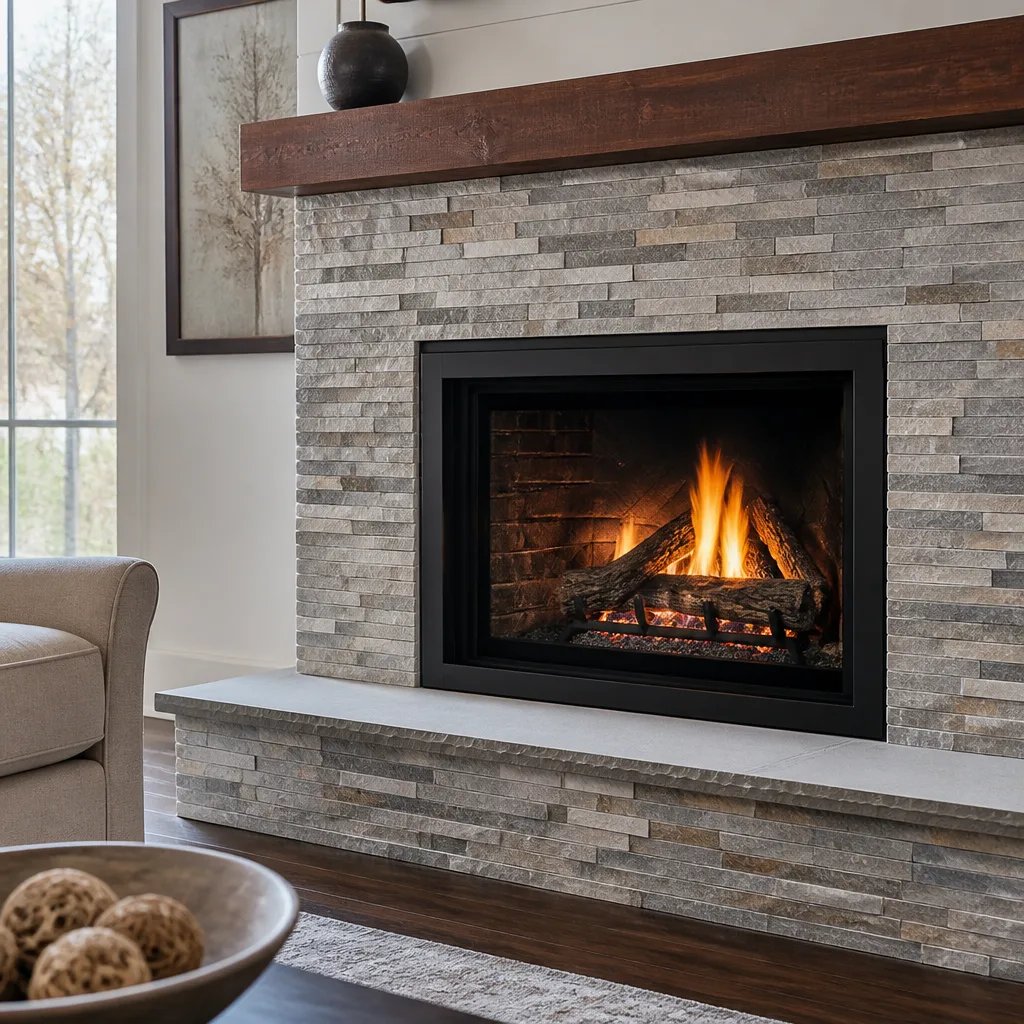
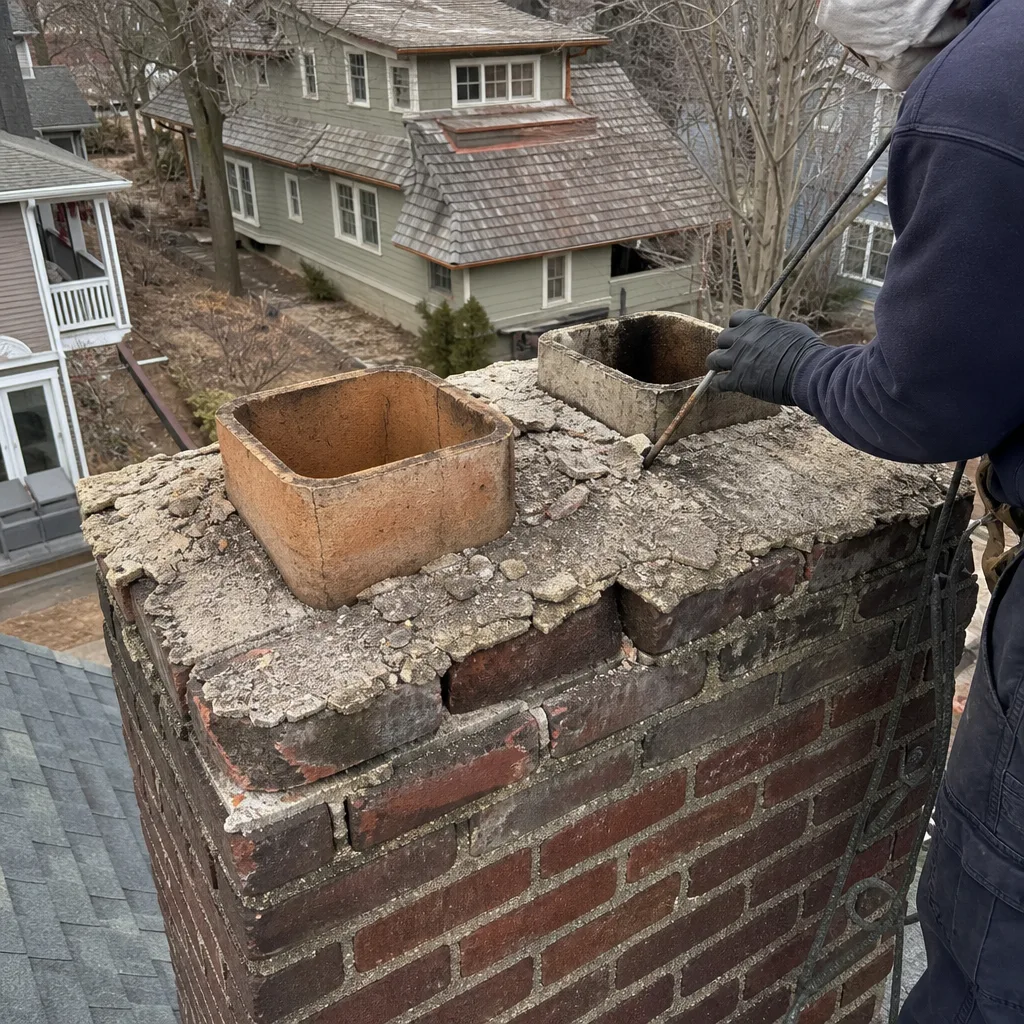 Before
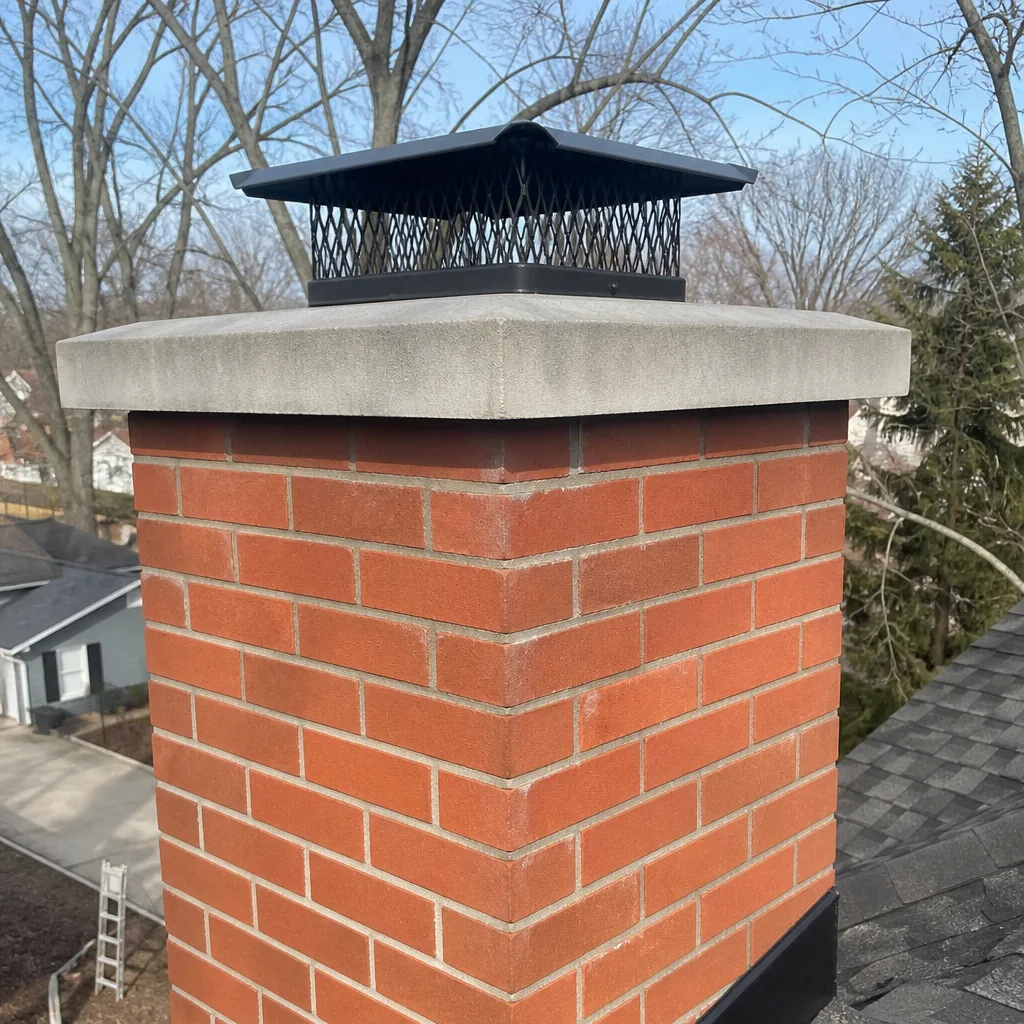 After
After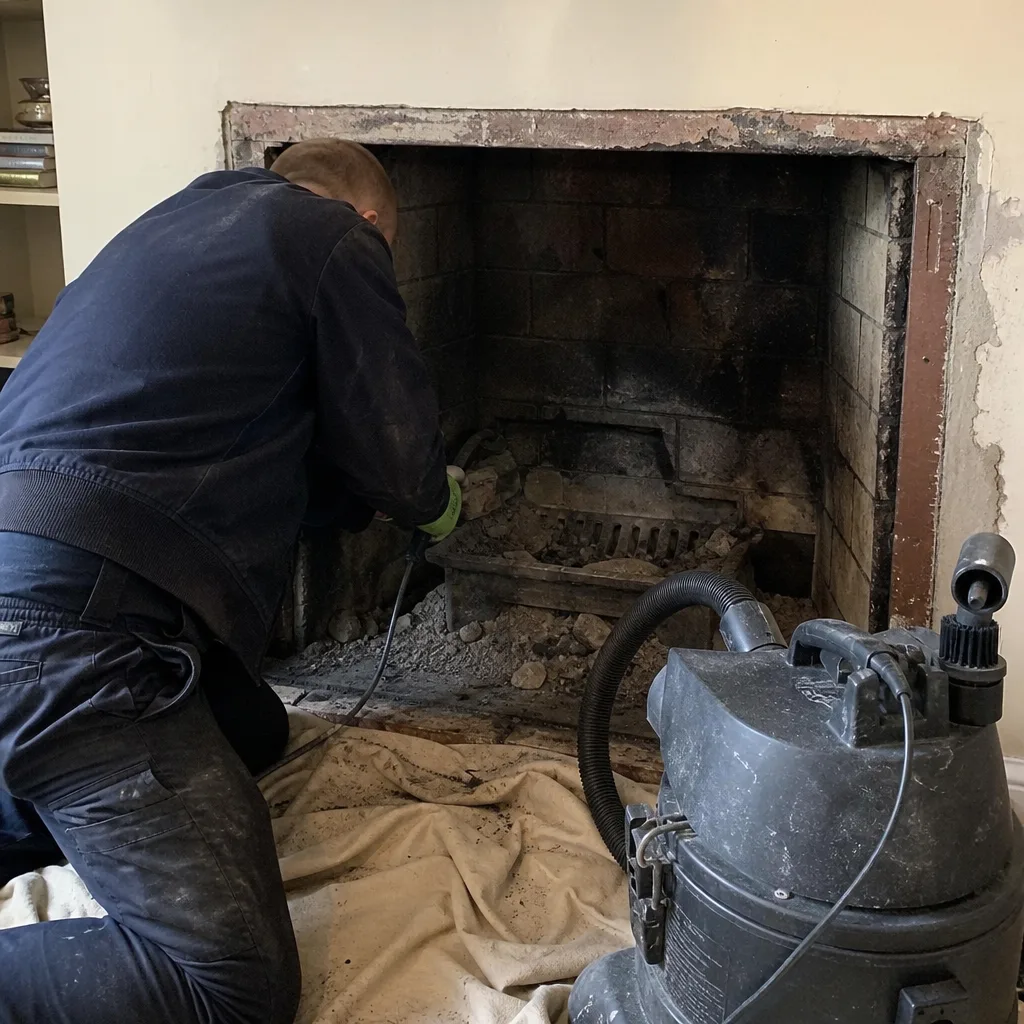 Before
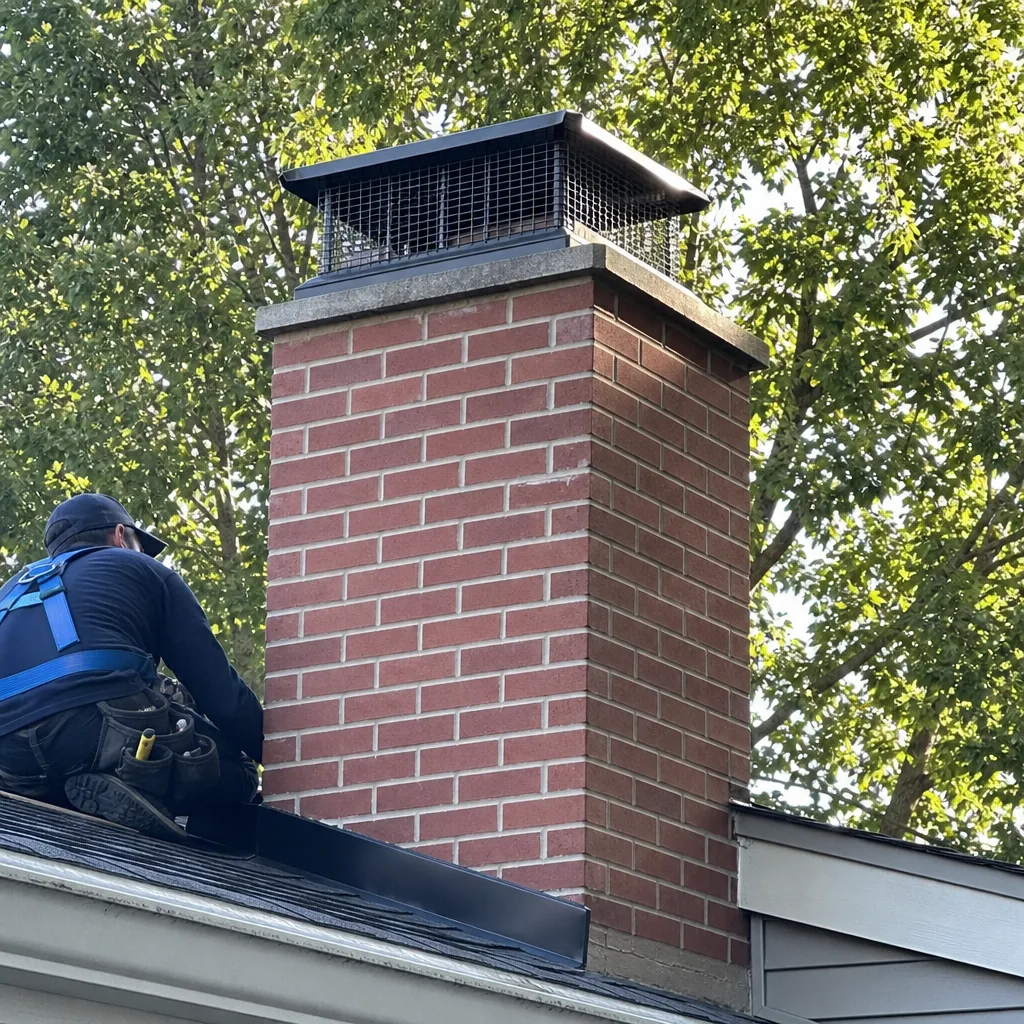 After
After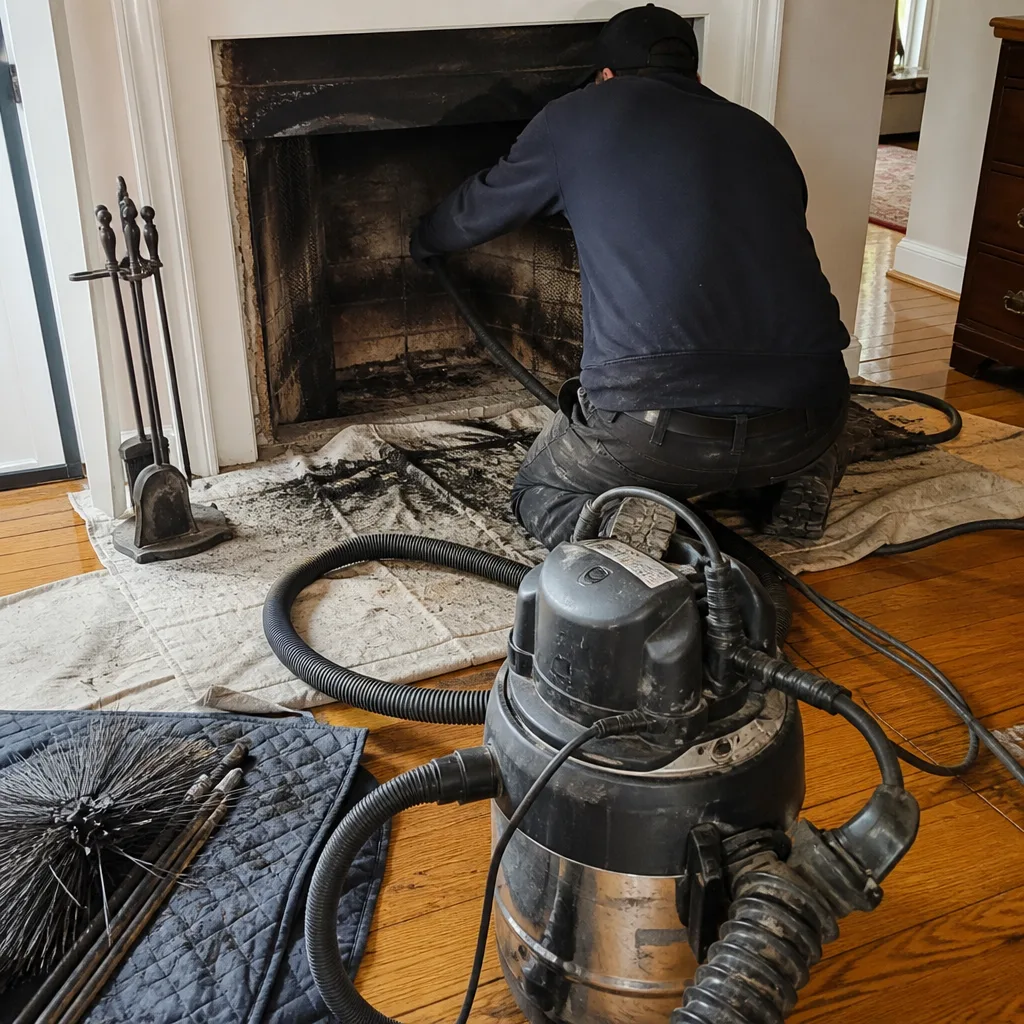 Before
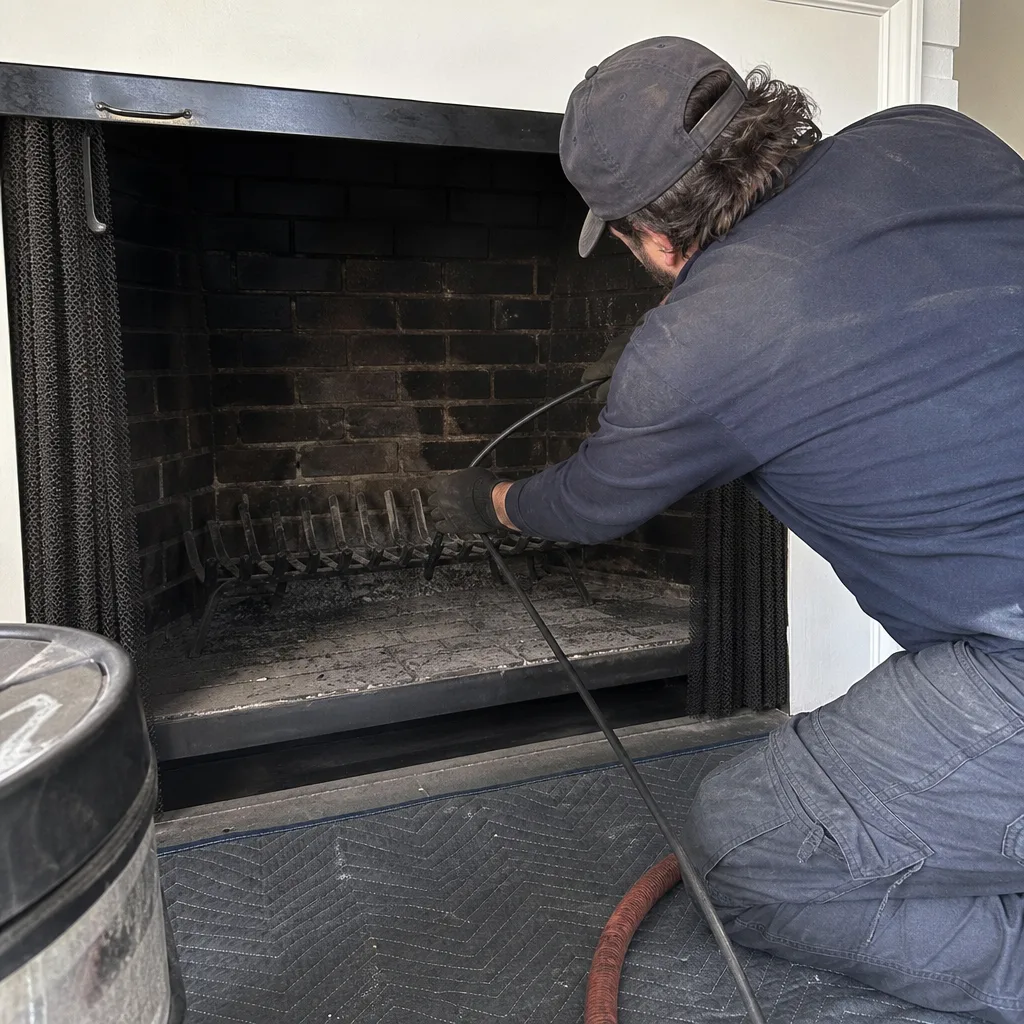 After
AfterChimney Cleaning Permits, Codes & Inspections in IL: What You Need to Know
The word “inspection” appears in NFPA 211, in your homeowner’s insurance policy, and in your real estate contract - and it doesn’t mean the same thing in all three places. What a sweep calls a Level 1 inspection, your insurer may require to be a Level 2 with camera documentation before they’ll accept a repair claim. In Evanston, we’ve seen homeowners pay out of pocket for $3,400 liner replacements because their “annual cleaning” paperwork lacked the camera evidence their policy demanded. This guide maps Illinois chimney regulations so you know which standard applies before the truck pulls into your driveway, and you can explore more guides & resources for ongoing maintenance.
Quick Answer
Routine chimney cleaning in Illinois does not require a permit. However, any work affecting the flue liner, structural masonry, or appliance installation must comply with NFPA 211 and may trigger Evanston building permit requirements. For real estate transactions and insurance claims in Cook County, a Level 2 inspection with camera documentation is the enforceable standard - not a flashlight look from a sweep truck.
Table of Contents
- The Three NFPA 211 Inspection Levels Explained
- When Evanston Requires a Building Permit for Chimney Work
- Insurance Policy Language: What “Regular Professional Maintenance” Actually Means
- Real Estate Transactions: Chimney Disclosure Requirements in Cook County
- How to Request a Code-Compliant Inspection Report
- Evanston-Specific Considerations: Climate, Codes, and Common Issues
- Common Mistakes to Avoid
- When to Call a Professional
- Frequently Asked Questions
BeforeAfterThe Three NFPA 211 Inspection Levels Explained
NFPA 211 is the National Fire Protection Association standard that governs chimney construction, maintenance, and inspection in Illinois. The Illinois State Fire Marshal references it directly, and Evanston’s municipal code adopts it by reference for all solid-fuel and gas venting systems. Yet most homeowners we meet in Evanston’s Central Street corridor or the historic districts near Northwestern cannot name the three levels or say which one their last sweep performed.
Here is what each level requires, what triggers it, and what documentation you should receive.
Level 1 Inspection
A Level 1 is a visual examination of readily accessible portions of the chimney exterior, interior, and connecting appliance. The technician checks for basic soundness, freedom from deposits, and correct clearances using a flashlight and hand tools. No specialized equipment is required. This is appropriate when:
- The appliance or venting system is being used as it was originally intended
- No changes have been made to the system
- No external events (chimney fire, earthquake, lightning strike) have occurred
What you receive: A checklist or invoice noting the date, findings, and work performed. No photo documentation is required by NFPA 211 for Level 1, though some companies include it.
Level 2 Inspection
A Level 2 includes everything in Level 1 plus examination of accessible attics, crawl spaces, and basements, and a camera scan of the flue interior. This is the inspection standard for:
- Real estate transactions
- Changes to the appliance or fuel type
- After a chimney fire, lightning strike, or seismic event
- When required by insurance or municipal code
The camera scan is not optional - it is the defining element. The technician runs a video camera the full length of the flue, documenting liner condition, joint alignment, creosote buildup classification, and any obstructions or deterioration. In Evanston, where many homes built between 1890 and 1940 have unlined brick flues or degraded terra-cotta liners, this camera evidence is often the only way to prove system safety to an insurer or buyer.
What you receive: A written report with photo or video documentation, classification of any defects, and recommendations with written pricing. Clause 4 of the Haven Standard requires this photo record on every Level 2 we perform - we’ve done so since 2009, before insurers or regulators asked for it.
Level 3 Inspection
A Level 3 is invasive. It requires demolition of permanently attached portions of the chimney or building to access concealed areas when a Level 1 or 2 indicates a serious hazard that cannot be evaluated otherwise. This is rare in routine maintenance. It is triggered by:
- Suspected hidden structural damage after a chimney fire
- Documented carbon monoxide intrusion with no visible source
- Municipal or insurance investigator requirements
What you receive: A comprehensive technical report, often with engineering consultation, and a scope of work for repair. Level 3 inspections in Evanston typically require coordination with the city’s Building & Inspection Division.
When Evanston Requires a Building Permit for Chimney Work
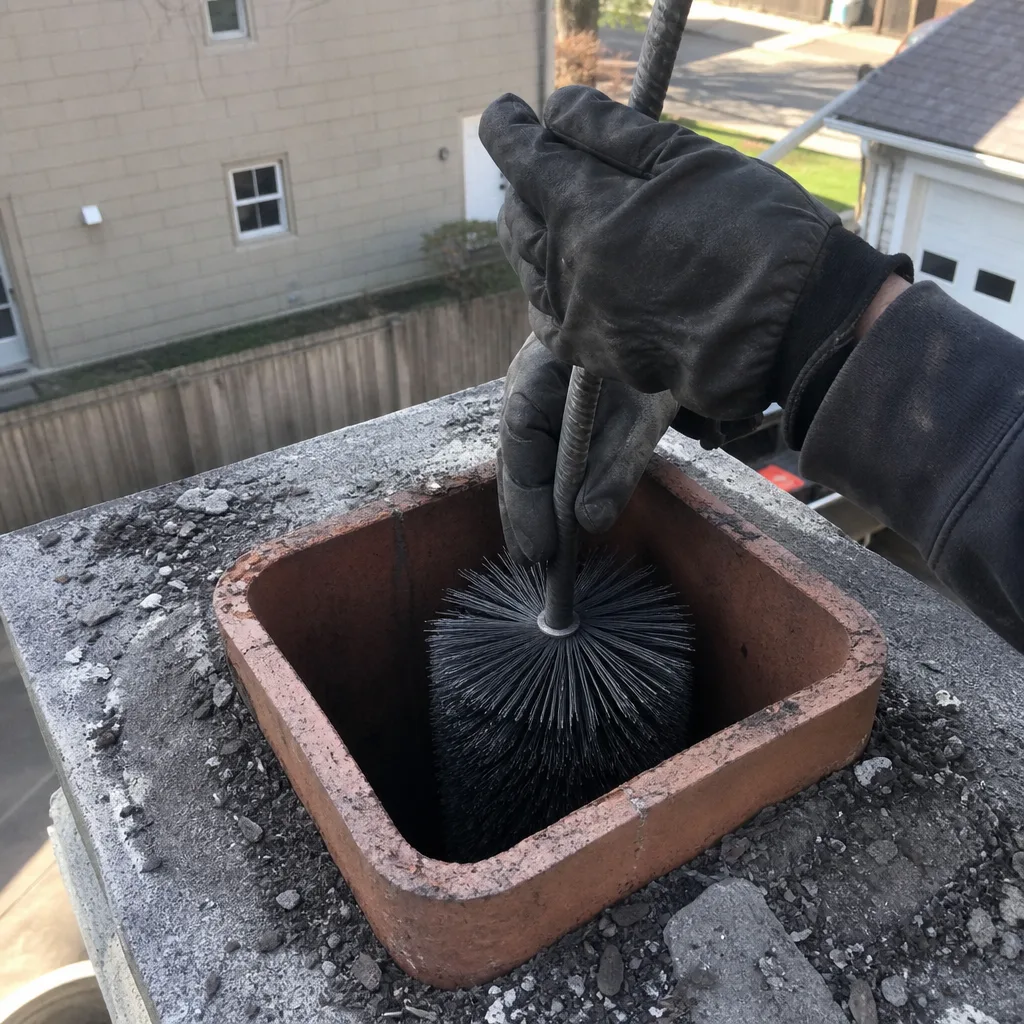
Illinois does not require a permit for routine chimney sweeping - the mechanical removal of soot and creosote from a functioning system. But cross the line into modification, repair, or replacement, and Evanston’s Unified Development Ordinance and Illinois plumbing and mechanical codes apply.
Here are the specific scenarios where a permit is required in Evanston and who must pull it.
Liner Replacement or Relining
Installing a new stainless steel liner, cast-in-place liner, or spray-applied refractory system (such as HeatShield) constitutes alteration of the venting system. Evanston requires a mechanical permit, and the work must be performed by a licensed contractor or under direct permit by the homeowner. The installation must pass inspection by the city’s building inspector before the system is placed back in service. We source liner materials from DuraFlex and Olympia Chimney, and every liner installation we quote includes permit costs and inspection scheduling in the written scope.
Fireplace Insert or Stove Installation
Adding a wood-burning insert, pellet stove, or gas appliance to an existing fireplace changes the appliance category and venting requirements. This requires both mechanical and electrical permits in Evanston, plus compliance with manufacturer clearance specifications. The installation must be listed to UL 1482 or UL 127 for solid fuel, or ANSI Z21.50 for gas.
Structural Masonry Repair
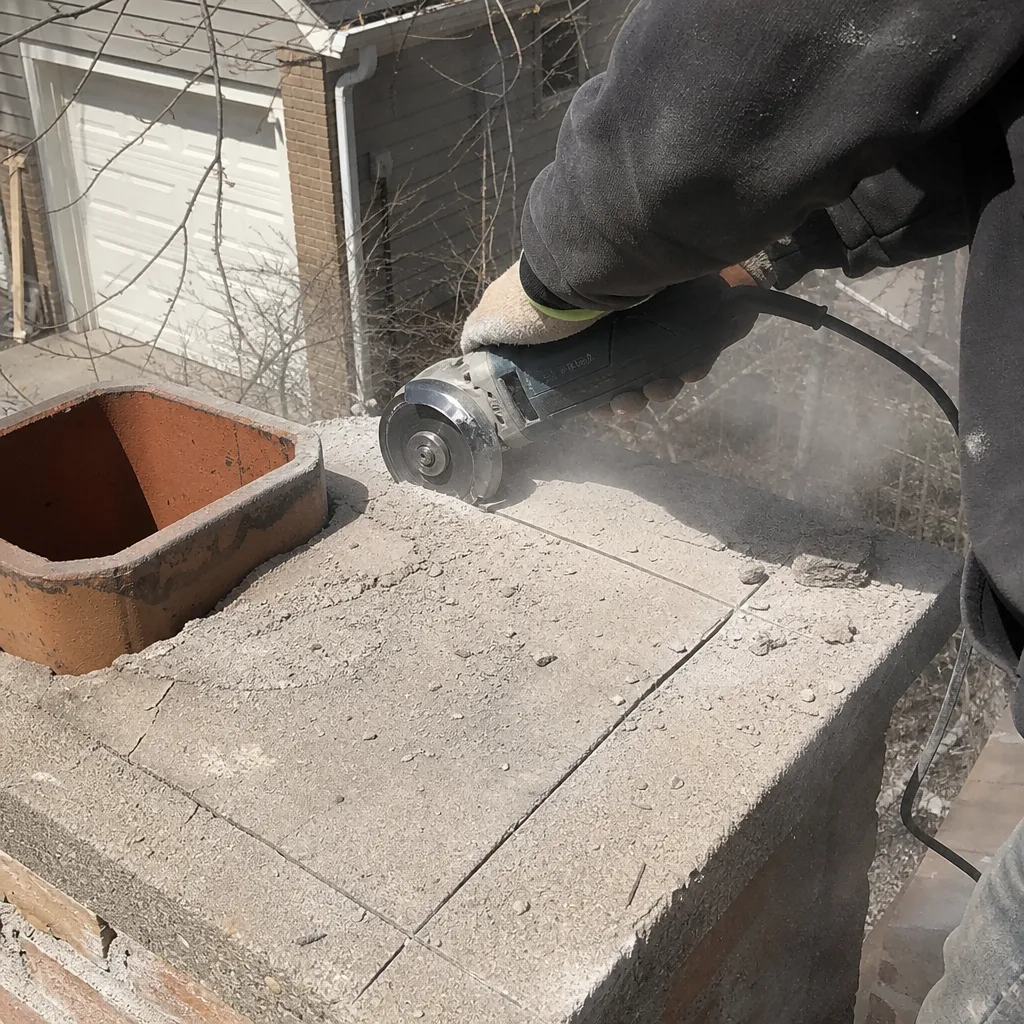
Rebuilding a chimney above the roofline, replacing a crown, or reconstructing a firebox falls under Evanston’s building permit requirements for structural work. Tuckpointing below the roofline typically does not require a permit unless it involves load-bearing elements. Spalling brick replacement or crown reconstruction often occupies a gray area - we flag this during our camera inspection and advise permit status in our written report.
Chimney Cap and Crown Work
Replacing a rain cap or chase cover does not require a permit. Pouring a new concrete crown or installing a gelcast crown system does, as it affects the structural weatherproofing of the venting system. We use Gelco and Famco components for cap and chase cover replacements, and our written quotes specify whether permit inclusion is necessary.
Who Can Self-Certify?
No chimney sweep company can self-certify permit-exempt status in Evanston. Only the city’s Building & Inspection Division can determine whether a permit is required based on the specific scope. A reputable contractor will discuss permit requirements before work begins and include permit fees in the written price. Clause 1 of the Haven Standard - “Have it in writing” - requires this disclosure upfront, not after the technician arrives.
Insurance Policy Language: What “Regular Professional Maintenance” Actually Means
Every homeowner’s insurance policy sold in Illinois contains a maintenance clause. The language varies by carrier, but the core requirement is consistent: the policyholder must maintain the property in “good repair” and perform “regular professional maintenance” on systems that pose fire or liability risk. Chimneys are explicitly named in most policies.
The gap between what underwriters enforce and what sweeps typically deliver is where Evanston homeowners lose coverage.
The Documentation Gap
We reviewed denial letters from three major carriers serving Cook County in 2023 and 2024. The common denominator in denied chimney fire claims was not failure to sweep - it was failure to document. Specifically:
- The sweep provided an invoice with no inspection classification (Level 1, 2, or 3)
- No photo or video evidence of flue condition was included
- The “inspection” was performed by an uncertified technician with no license number recorded
- The date of service fell outside the carrier’s required frequency (typically annual for wood-burning, biennial for gas)
One carrier serving Evanston’s lakefront condominiums now requires Level 2 inspection documentation for any claim involving a chimney fire in a building over 50 years old. The policy does not say this in plain language - it is enforced through subrogation after the claim is filed.
What to Demand From Your Sweep
To satisfy underwriter scrutiny, your maintenance record should include:
- The technician’s name and Illinois contractor license number
- The inspection level performed, cited to NFPA 211
- Date of service and appliance/fuel type
- Camera documentation of flue interior condition
- Classification of creosote deposits (Class I, II, or III)
- Written findings and recommendations with pricing
- Signature or digital attestation by the inspecting technician
Clause 4 of the Haven Standard requires items 2 through 7 on every job we perform. Since 2009, we’ve maintained a digital archive of all 38,000+ inspections, and we provide copies to customers or their insurers on request.
When Maintenance Becomes a Coverage Requirement
Some Evanston homeowners discover the maintenance clause only after a loss. A chimney fire in January 2024 on Judson Avenue resulted in a $12,400 denial because the homeowner’s “annual cleaning” was a $79 Groupon special with no inspection classification and no documentation - a scenario any homeowner can avoid by learning the Chimney Cleaning Warning Signs: A Evanston Homeowner’s Reference Guide. The carrier’s adjuster ruled that the service did not meet the policy’s “regular professional maintenance” standard. The homeowner paid the full repair cost, plus the deductible on secondary damage.
Real Estate Transactions: Chimney Disclosure Requirements in Cook County
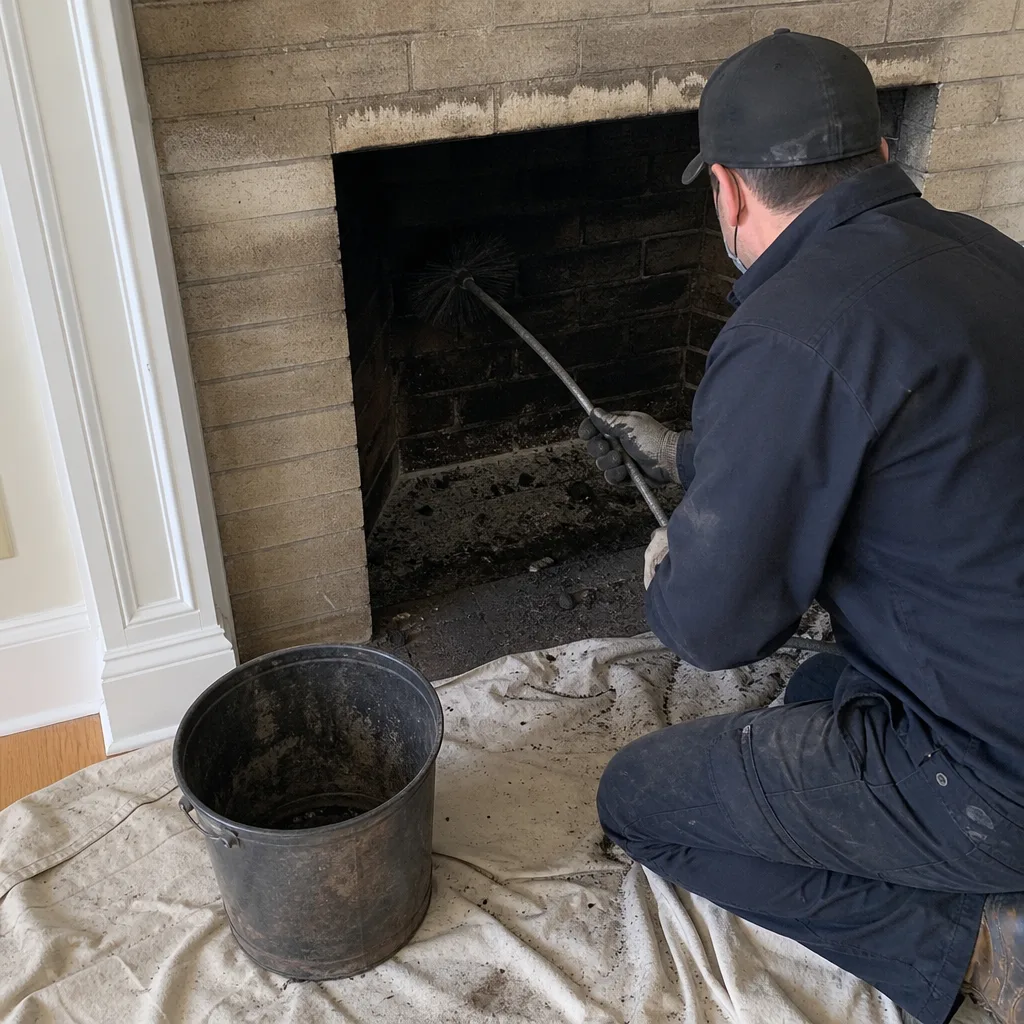
Illinois law does not require a standalone chimney inspection for residential real estate sales. The Residential Real Property Disclosure Act requires sellers to disclose known defects in “heating, ventilation, and air conditioning systems,” which courts have interpreted to include fireplaces and chimneys. But the standard disclosure form does not specify inspection depth, and most Evanston home inspectors perform only a visual Level 1 equivalent - if they inspect the chimney at all.
The Cook County Gap
In practice, chimney defects surface in three ways during Evanston transactions:
- The buyer’s home inspector notes visible cracking, staining, or deterioration and recommends further evaluation
- The seller’s disclosure mentions prior chimney fire or repair, triggering lender or insurer requirements
- The buyer’s homeowner insurance quote requires Level 2 documentation for properties with wood-burning fireplaces
In all three cases, the transaction stalls until a qualified chimney professional delivers a camera-documented Level 2 inspection. We’ve performed these for Evanston closings in neighborhoods from Lighthouse Landing to the Hillside Historic District, and the pattern is consistent: the buyer’s agent requests it, the seller agrees to split cost, and the report becomes a negotiation point.
What a Transaction-Ready Report Must Contain
For Cook County real estate purposes, a chimney inspection report should satisfy three audiences simultaneously:
- The buyer, who wants to know system safety and anticipated repair costs
- The lender, who may require confirmation that the home is insurable
- The insurer, who needs documentation to bind coverage without exclusions
This means the report cannot be a handwritten invoice. It must be a structured document with:
- Property address and inspection date
- Technician credentials and license number
- NFPA 211 inspection level performed
- Photo or video documentation of flue, smoke chamber, firebox, and exterior
- Classification of all defects by severity (monitor, repair, or immediate hazard)
- Written repair scope with firm pricing for each recommended item
- Statement of system suitability for intended use, or explicit limitation
We deliver this format as standard on every Level 2 inspection in Evanston. Our reports have been accepted by lenders including Chase, BMO Harris, and First American Title for closings throughout Cook County.
Negotiation Leverage
A documented defect discovered before closing shifts repair liability to the seller in most Evanston purchase contracts. A documented clean system removes the issue from negotiation entirely. The $400-$600 cost of a Level 2 inspection with camera documentation - covered in The Complete Guide to Chimney Cleaning in Evanston - is typically recovered many times over if it identifies even one deferred maintenance item.
How to Request a Code-Compliant Inspection Report
Not every company that advertises “chimney inspection” delivers documentation that satisfies municipal inspectors, insurance adjusters, or real estate attorneys. Here is how to request the correct product and evaluate what you receive.
Step 1: Specify the Standard Before Booking
When you call, state your purpose explicitly: “I need a Level 2 inspection per NFPA 211 with camera documentation for [insurance claim / real estate sale / permit application].” If the dispatcher cannot confirm this capability, or quotes a price below $300 for the Chicago-Evanston market, the company likely does not perform true Level 2 work.
Step 2: Verify Technician Credentials
Ask for the inspecting technician’s name and Illinois contractor license number. In Evanston, chimney work falls under the city’s general contractor licensing framework; technicians should carry identification and be prepared to produce license information. Background-checked, uniformed technicians with named assignment and text notification - the “Verified crews” element of the Haven Standard - are the baseline, not a premium service.
Step 3: Confirm Documentation Deliverables
Before the technician arrives, confirm in writing:
- That a video camera will be run the full flue length
- That you will receive digital photos or video files, not just a verbal summary
- That the report will classify findings by NFPA 211 criteria
- That written repair pricing will accompany any recommendations
Clause 4 of the Haven Standard requires all four on every Level 2 inspection we perform. We have done so continuously since 2009.
Step 4: Review the Report Before Authorizing Work
A code-compliant report should be delivered before any repair work is proposed, not after the technician has already begun. This is Clause 1 of the Haven Standard: written price, written scope, written warranty before work starts. If you receive a report that says “needs liner replacement - $4,200” with no photo evidence of liner failure, request the camera footage. A legitimate finding is demonstrable.
Step 5: Archive for Future Reference
Store your inspection report with your homeowner insurance policy, property deed, and appliance manuals. In Evanston’s climate, with freeze-thaw cycles that accelerate masonry deterioration, a baseline inspection from 2024 becomes valuable comparative evidence if disputes arise in 2029. We maintain our archive indefinitely and provide retrieval on request.
Evanston-Specific Considerations: Climate, Codes, and Common Issues
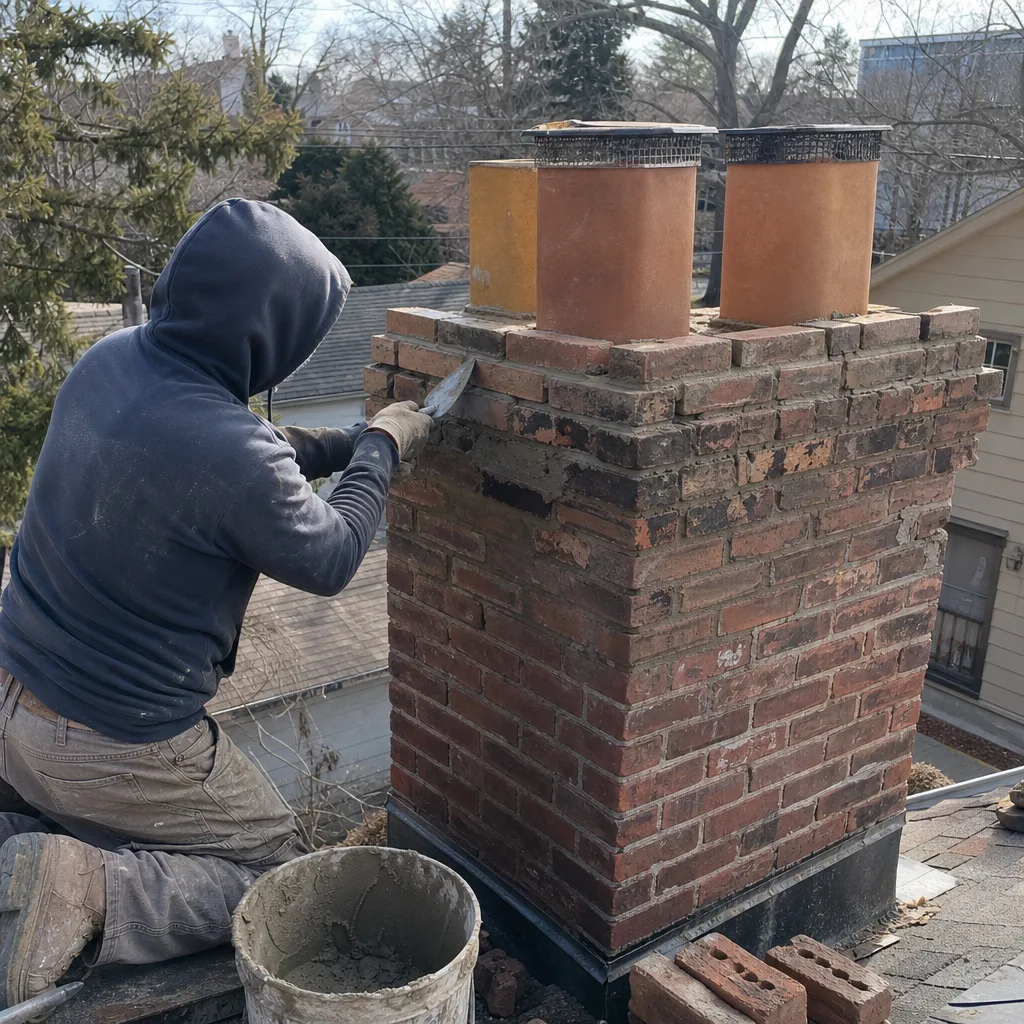
Evanston’s location on Lake Michigan creates chimney conditions that differ from inland Illinois markets. The lake effect moderates temperatures but increases humidity, and the city’s housing stock - heavily weighted to pre-1950 construction - presents specific inspection challenges.
Freeze-Thaw Damage
Evanston averages 36 freeze-thaw cycles annually, with winter temperatures fluctuating between single digits and the 40s as lake winds shift. Water penetrates masonry cracks, expands on freezing, and spalls brick faces. We see this most severely on chimneys in the Lakeshore Historic District and along Sheridan Road, where wind-driven rain compounds the effect. A Level 2 camera inspection reveals whether spalling has compromised the flue liner or created pathways for water to reach the smoke chamber.
Unlined Brick Flues
Homes built before 1940 in Evanston’s central neighborhoods - including the area around Northwestern University and the Ridge Avenue corridor - often have unlined brick flues. These were code-compliant when built but are not grandfathered for modern use under NFPA 211. Insurance carriers increasingly require liner installation as a condition of coverage for wood-burning appliances in these properties. Our camera scans document the flue’s interior surface condition and provide the evidence carriers require.
Gas Appliance Venting in Older Homes
Many Evanston homeowners have converted original coal or wood fireplaces to gas logs or inserts without proper liner sizing. The lower flue gas temperatures of modern gas appliances can cause condensation in oversized flues, leading to liner deterioration and carbon monoxide risk. A Level 2 inspection measures flue dimensions against appliance specifications and identifies mismatches that a Level 1 visual check would miss.
Evanston’s Building Department Practices
The city’s Building & Inspection Division at 2100 Ridge Avenue processes chimney permits as part of mechanical and building permit applications. Turnaround is typically 5-7 business days for standard mechanical permits. We include permit application and inspection scheduling in our written scope for any Evanston job requiring it, and we meet the city inspector on site to review camera documentation of completed work.
Neighborhood-Specific Patterns
In our experience across Evanston’s neighborhoods:
- Lighthouse Landing and lakefront condos: Stainless steel chase covers and gas venting dominate; corrosion from salt air is the primary failure mode
- Central Street and north Evanston: 1920s-1940s brick colonials with terra-cotta liners; liner degradation and crown failure are common
- West Evanston and the Fifth Ward: Mixed-age housing with DIY modifications; unpermitted insert installations and improper clearances are frequent findings
- Near Northwestern campus: Rental properties with deferred maintenance; blocked flues from tenant misuse and damaged dampers from amateur repairs
Common Mistakes to Avoid
- Assuming a cleaning invoice satisfies insurance requirements. A sweep that removes soot without inspecting the flue interior provides no documentation of system safety. Carriers deny claims based on this distinction every winter in Cook County.
- Accepting a “Level 2” without camera evidence. Some companies label visual inspections as Level 2 to justify higher pricing. If you don’t receive digital footage of the full flue length, you didn’t get a Level 2.
- Skipping inspection before a real estate listing. Sellers who discover defects through a buyer’s inspection lose negotiation leverage. A pre-listing Level 2 inspection in Evanston typically costs $400-$600 and prevents last-minute price reductions of $2,000-$8,000.
- Permitting DIY liner installation without municipal approval. Evanston requires mechanical permits for liner replacement. Unpermitted work voids homeowner insurance coverage and creates liability exposure in a fire. The permit fee is minor compared to these risks.
- Ignoring “monitor” recommendations for multiple years. NFPA 211 classifications include “monitor” for defects not yet hazardous. But spalling brick, cracked crowns, and Class II creosote accumulation progress to hazardous conditions with freeze-thaw cycling. Annual re-inspection is essential for monitored items in Evanston’s climate.
- Hiring based on lowest price without verifying deliverables. A $99 “chimney special” in the Chicago market typically includes no inspection classification, no camera work, and no written report. The true cost emerges when insurance denies a claim or a buyer demands a post-inspection credit.
- Failing to request technician credentials. Illinois does not license chimney sweeps specifically, but contractor licensing and business registration are required. A technician who cannot produce identification and license information is operating outside Evanston’s regulatory framework.
When to Call a Professional
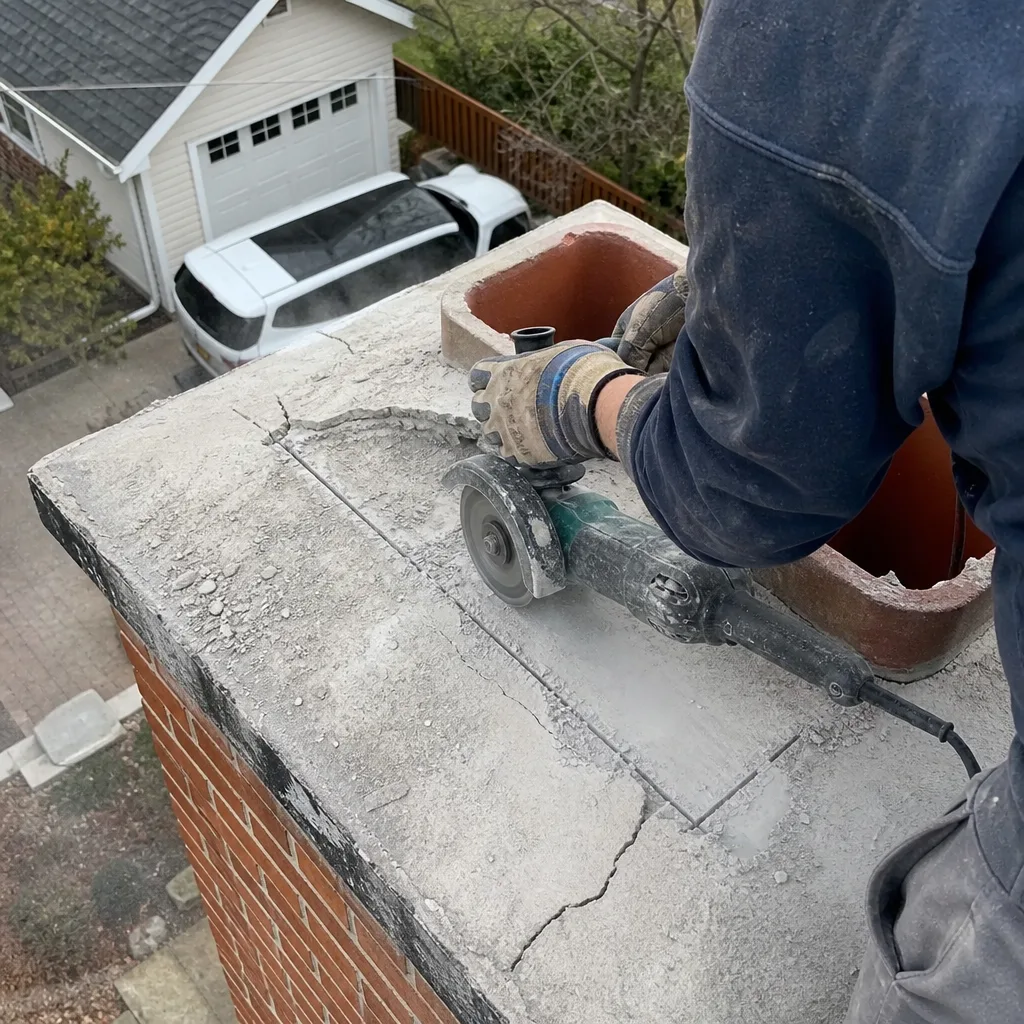
Call a qualified chimney professional when your situation involves any of the following: you’re buying or selling a home in Cook County and need transaction-ready documentation; your insurance carrier has requested inspection evidence for a claim or policy renewal; you’re installing, replacing, or converting a heating appliance; you’ve experienced a chimney fire, lightning strike, or seismic event; or your last “inspection” produced only a handwritten invoice with no photo record. In Evanston’s climate, we also recommend professional evaluation if you notice new exterior staining, mortar debris in the firebox, or draft performance changes after winter storms. Emberly Chimney Cleaners Evanston offers free estimates throughout Evanston - call (708) 234-1174, and a live person will answer, 24 hours a day.
Frequently Asked Questions
No. Routine chimney sweeping - the mechanical removal of soot and creosote from a functioning system - does not require a permit in Evanston or anywhere in Illinois. Permits are required for liner replacement, structural repair, or appliance installation. Call (708) 234-1174 for a free estimate if your project may cross into permit territory.
A Level 2 inspection with full camera documentation in the Evanston market typically ranges from $400 to $600, depending on flue accessibility and the number of appliances served. This includes the video scan, digital photo record, written report with NFPA 211 classification, and written repair pricing for any recommended work. Our written quote is delivered before we start - Clause 1 of the Haven Standard, no exceptions.
A chimney sweep is a maintenance service: the physical removal of combustible deposits from the flue and firebox. A chimney inspection is an evaluation of system safety and code compliance. They are often performed together, but they are distinct services with distinct documentation requirements. Your insurance policy likely requires inspection documentation, not merely a cleaning invoice.
NFPA 211 recommends annual inspection for all chimney systems, regardless of use frequency. In practice, Evanston homeowners with gas fireplaces used occasionally may extend to biennial inspection if no defects are found, while wood-burning systems should be inspected annually due to creosote accumulation. Insurance policies typically enforce annual or biennial frequency in their maintenance clauses.
No. Real estate transactions require current documentation, typically within 12 months of closing. Lenders and insurers in Cook County will not accept outdated inspection reports because chimney conditions change with use and weather exposure. A pre-listing inspection also gives sellers time to address defects before they become negotiation points.
Neglected chimneys accumulate creosote, which ignites at approximately 451°F and can reach temperatures exceeding 2,000°F during a chimney fire. This damages liners, masonry, and adjacent framing. Carbon monoxide intrusion from deteriorated flues poses a lethal risk without warning symptoms. In Evanston’s freeze-thaw climate, deferred maintenance accelerates masonry failure. Insurance carriers may deny fire claims if maintenance records are absent or inadequate. The cost of annual inspection and cleaning - typically $250-$400 in our market - is minor compared to these consequences. Call (708) 234-1174 for a free estimate.
The Bottom Line
Illinois chimney regulation is a patchwork: no permit for cleaning, strict standards for inspection, and significant consequences when the wrong documentation meets an insurance adjuster or real estate attorney. The key distinctions are simple in retrospect but costly to learn from experience. Know whether your situation requires Level 1 or Level 2 inspection before you book. Verify that your sweep delivers camera documentation, written findings, and written pricing as standard practice, not upgrades. Confirm permit status for any work beyond routine maintenance. And archive your records where you can produce them on demand. In Evanston’s historic housing stock and lakefront climate, these practices protect your property value, your insurance coverage, and your family’s safety.
Chimney Cleaning & Sweep in Evanston from Emberly includes NFPA 211 Level 2 camera inspection as standard, with written price before work starts and a documented photo record on completion. Chimney Repair in Evanston covers liner replacement, masonry restoration, and crown reconstruction with permit coordination included. For fireplace installation, conversion, and maintenance, see our Fireplace Services in Evanston.
Written by Corrine Halstead, Owner at Emberly Chimney Cleaners Evanston, serving Evanston since 2009.