
Last updated September 22, 2026
Level 1 sweep and inspection to the NFPA 211 annual standard - flue, crown, cap, and flashing checked and photographed
Chimney sweep logs do not sweep chimneys. They loosen some creosote - which then falls where a brush and vacuum still have to collect it.
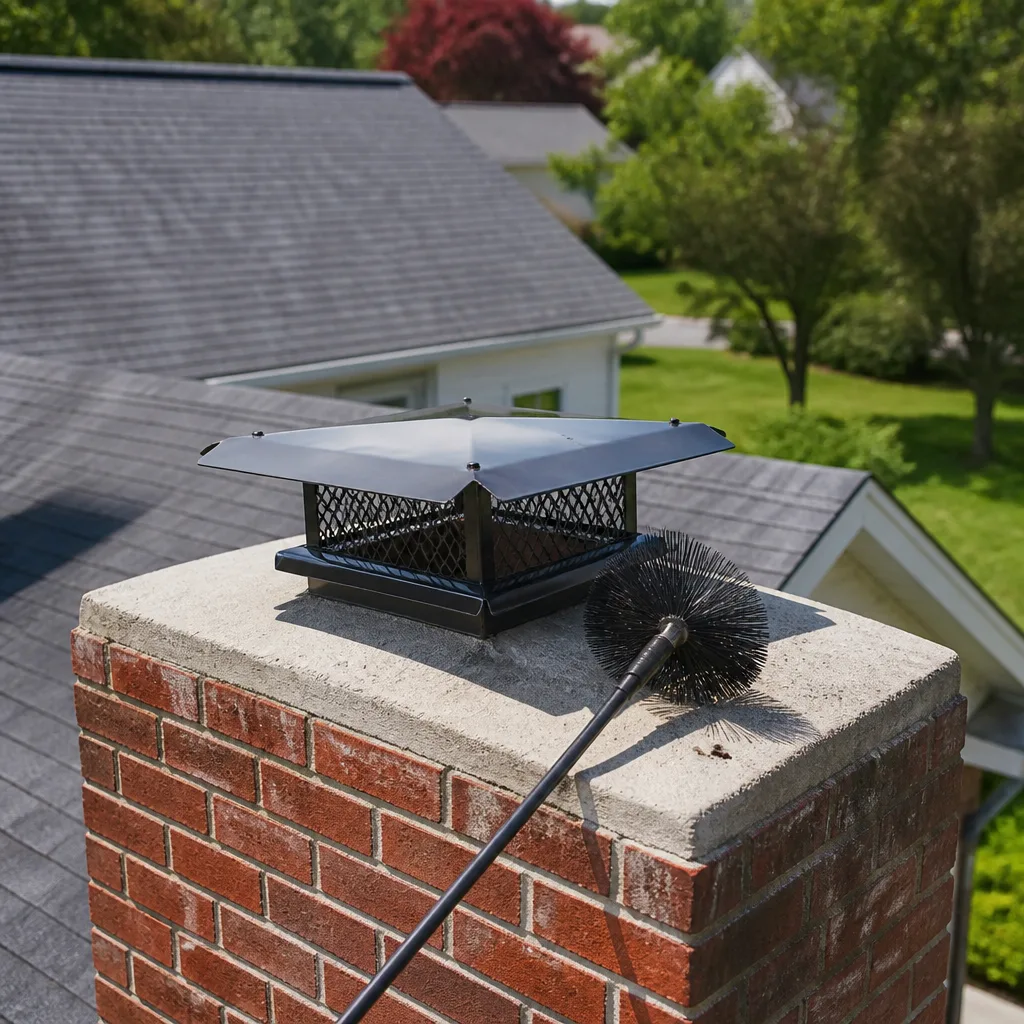
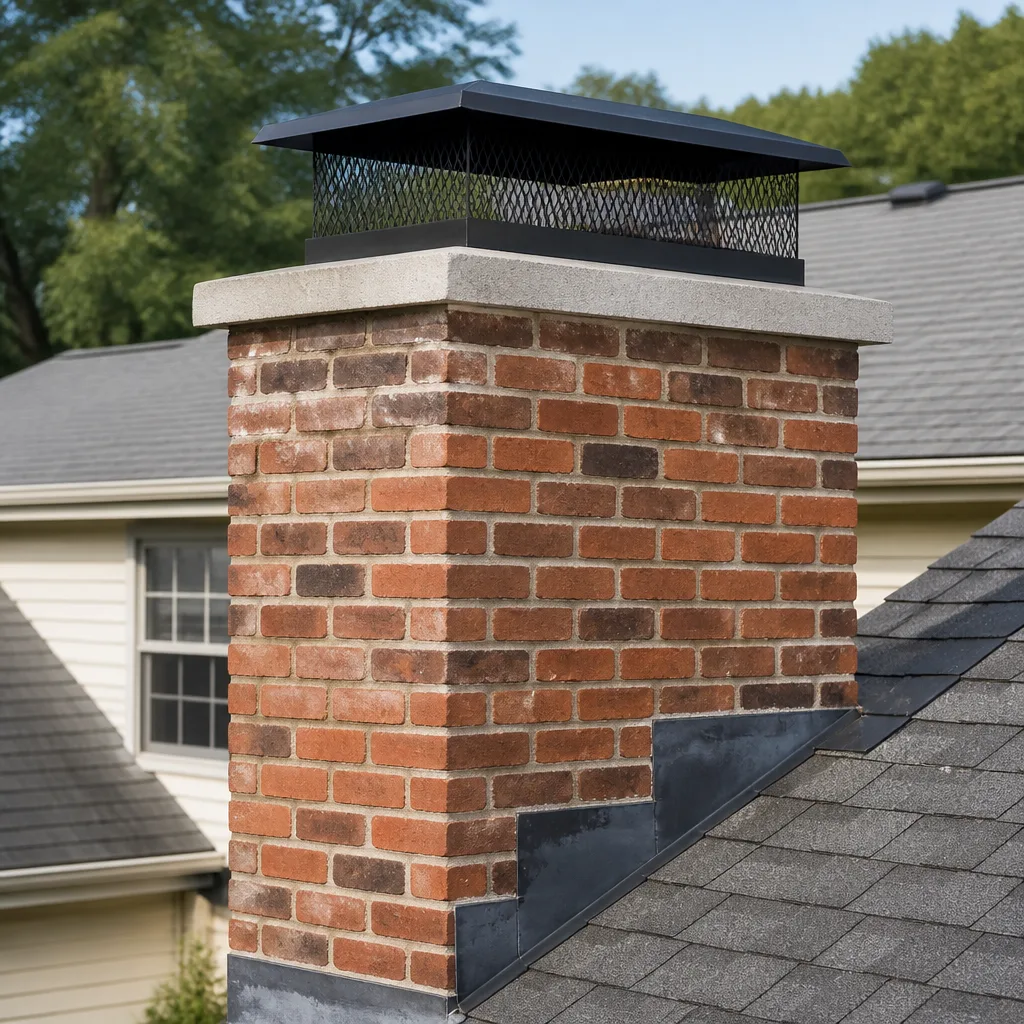
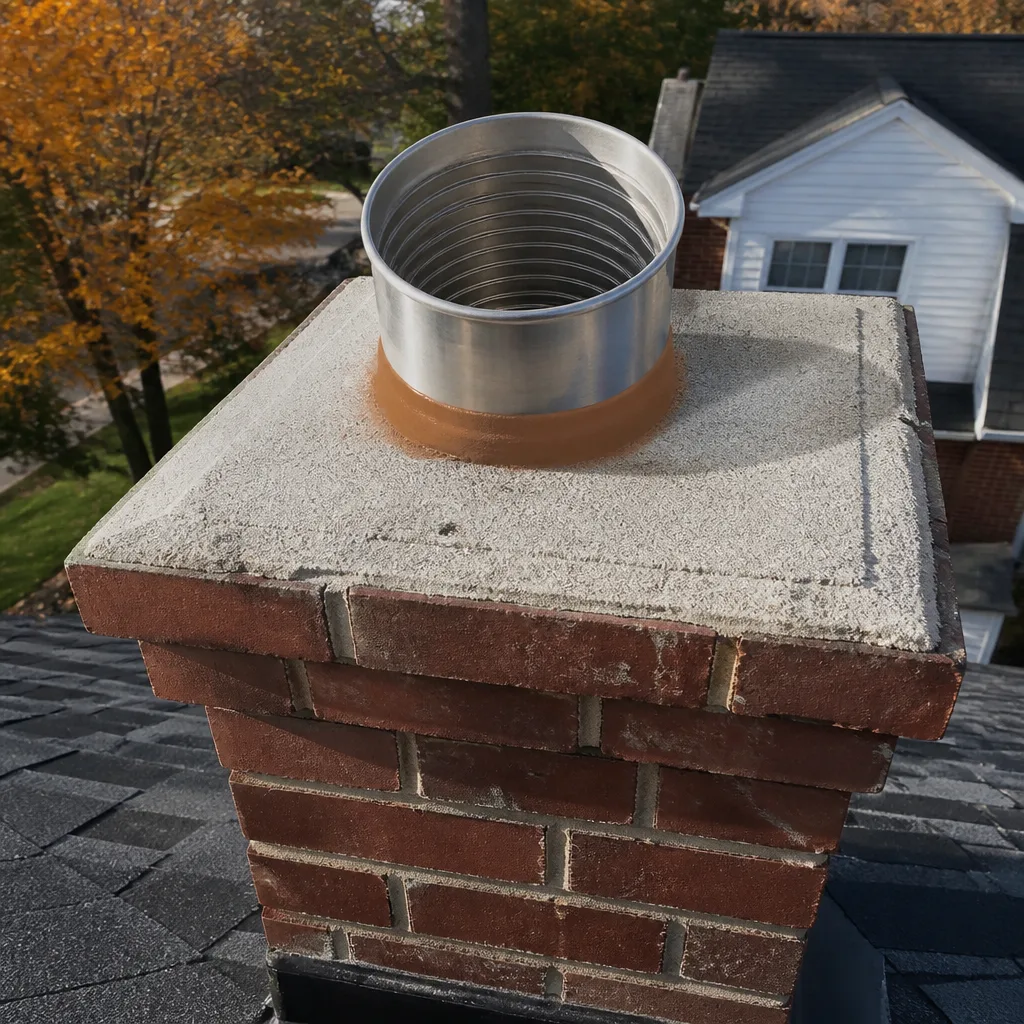
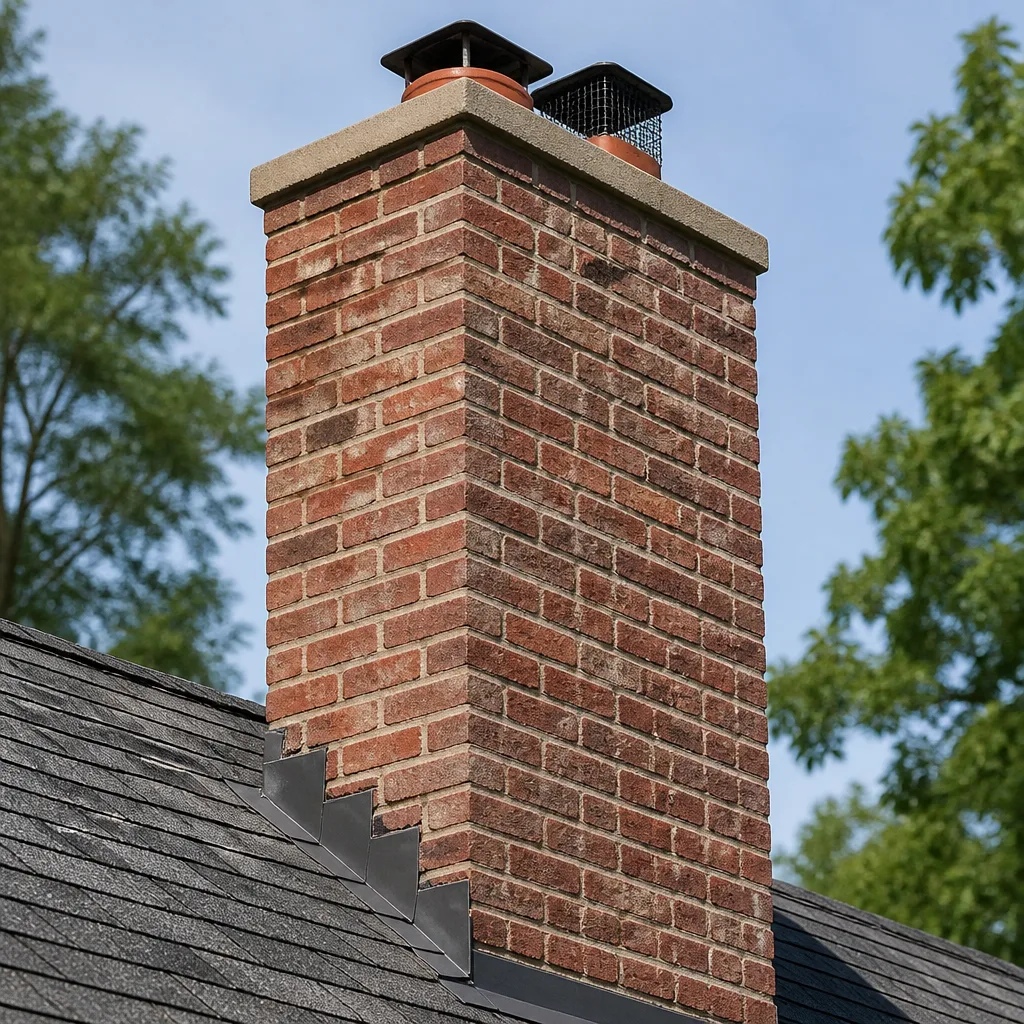
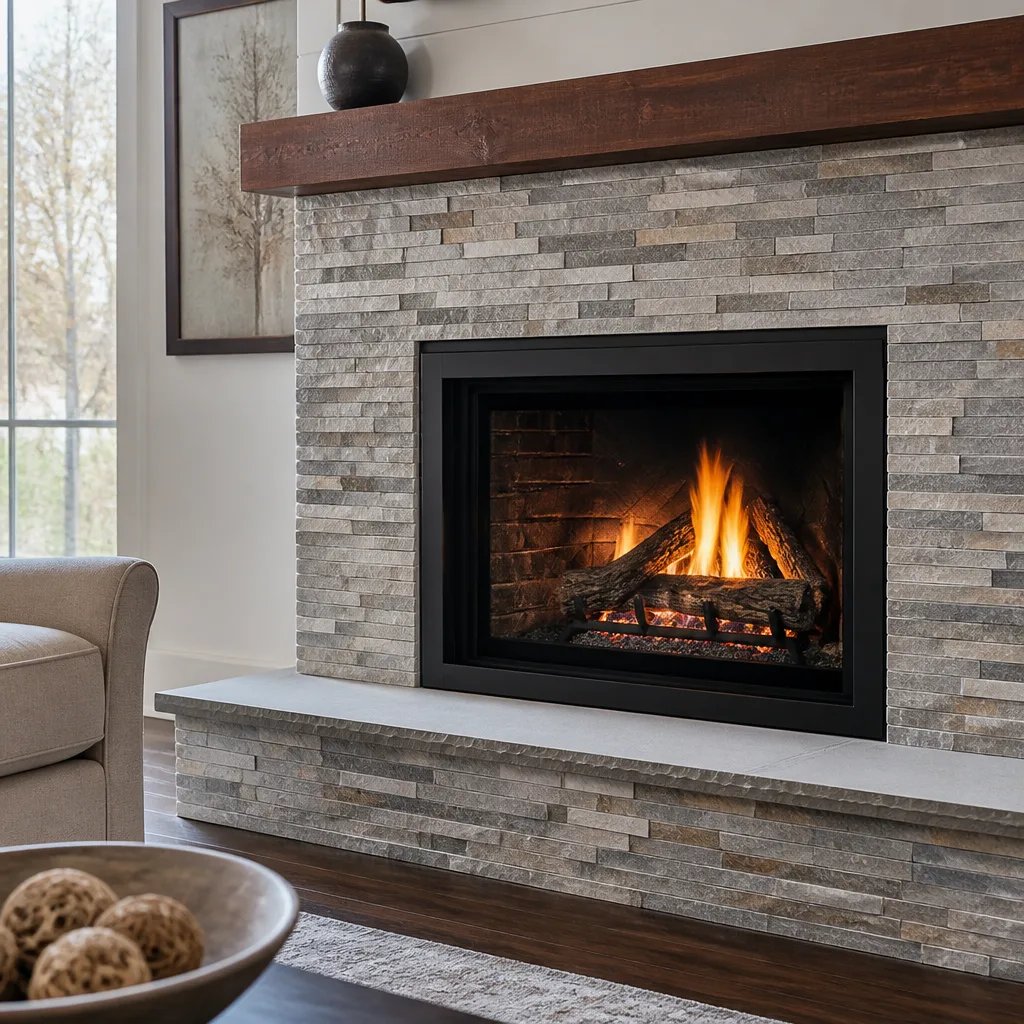
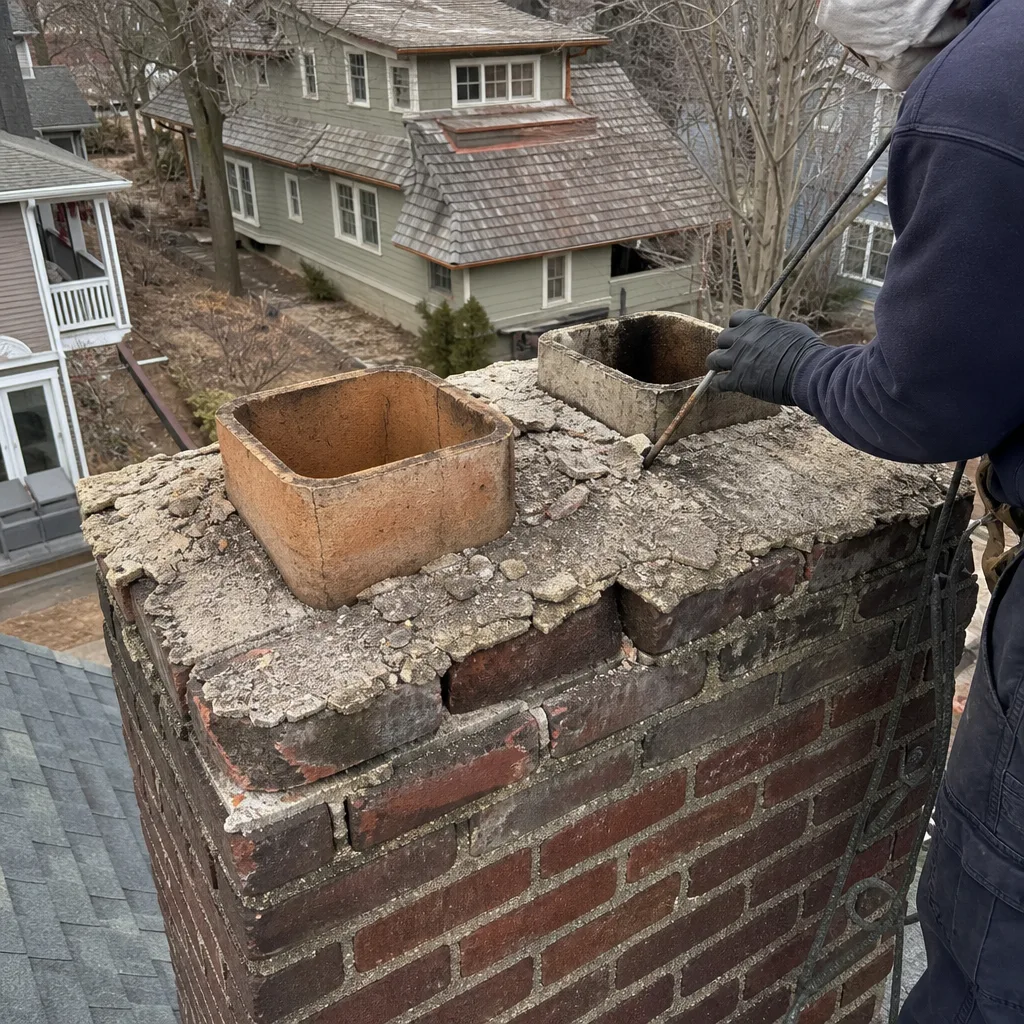 Before
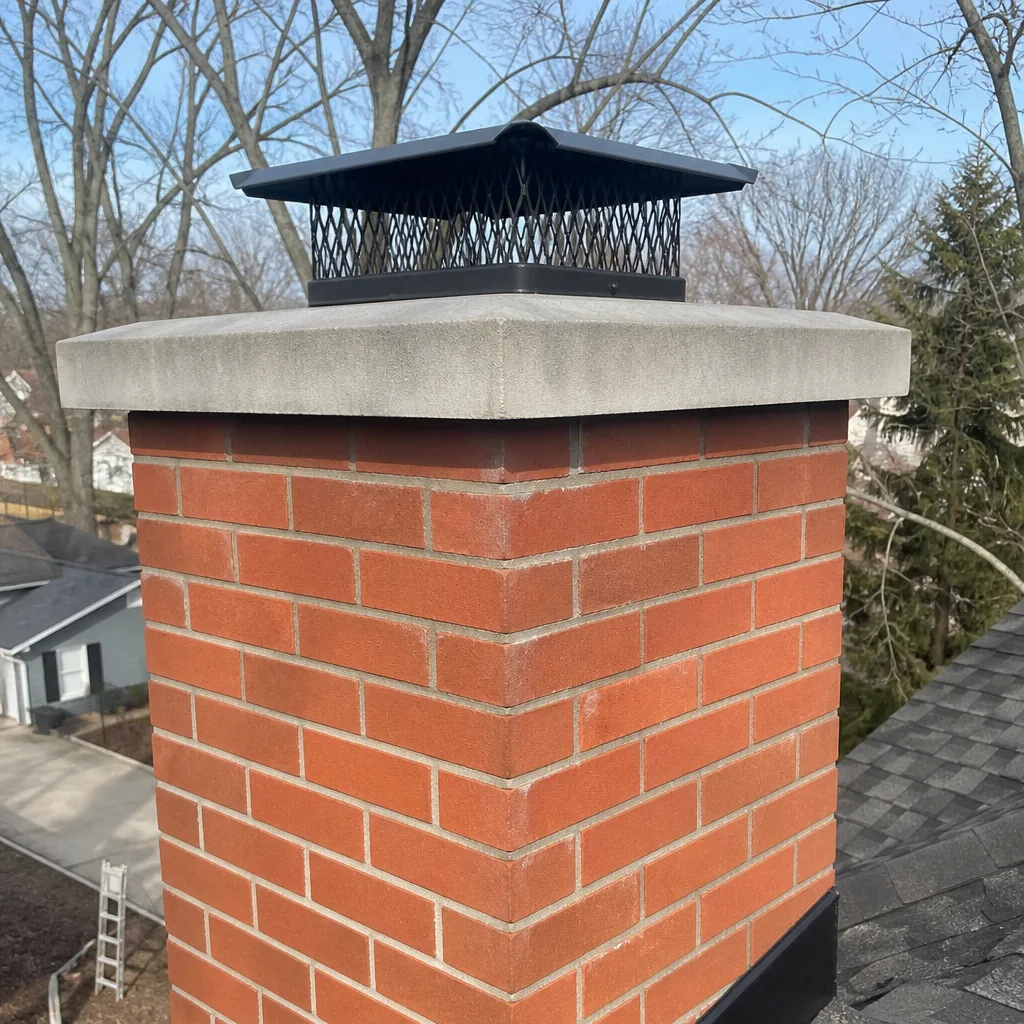 After
After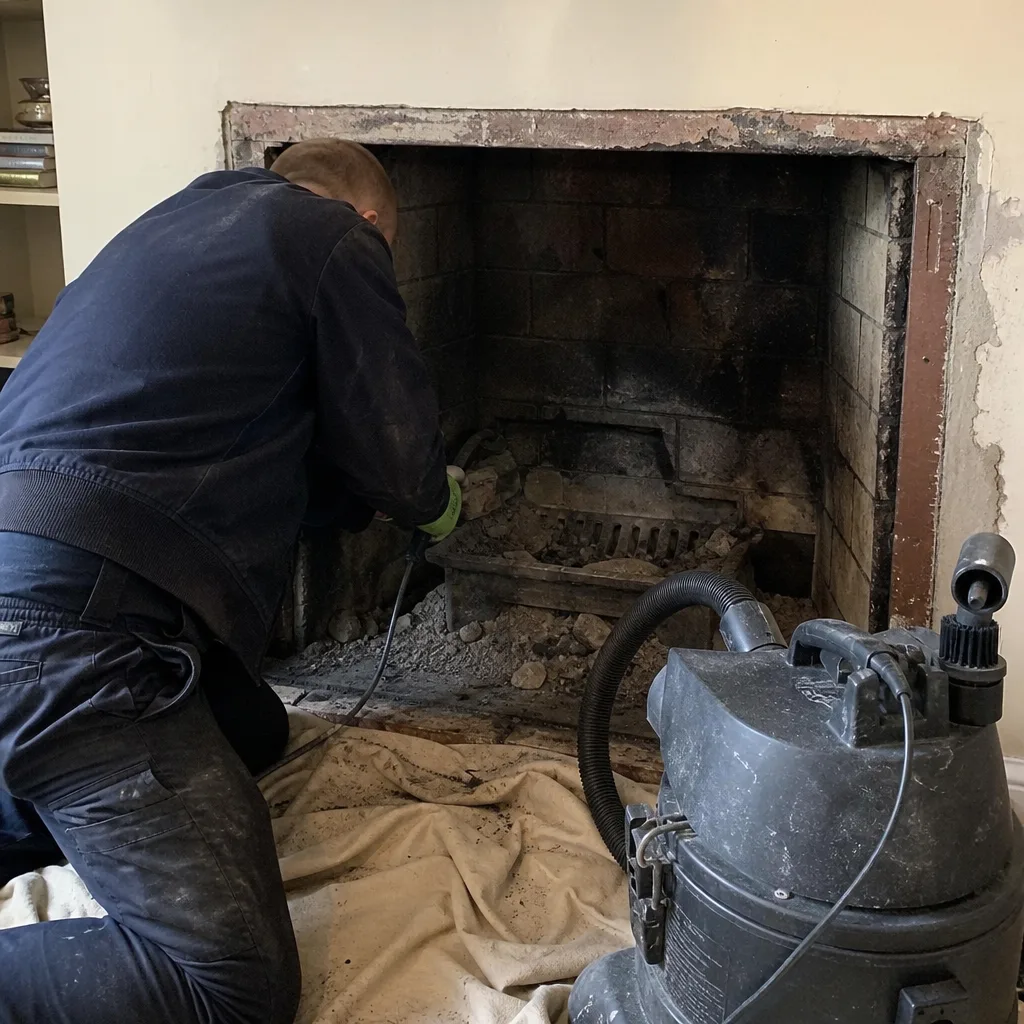 Before
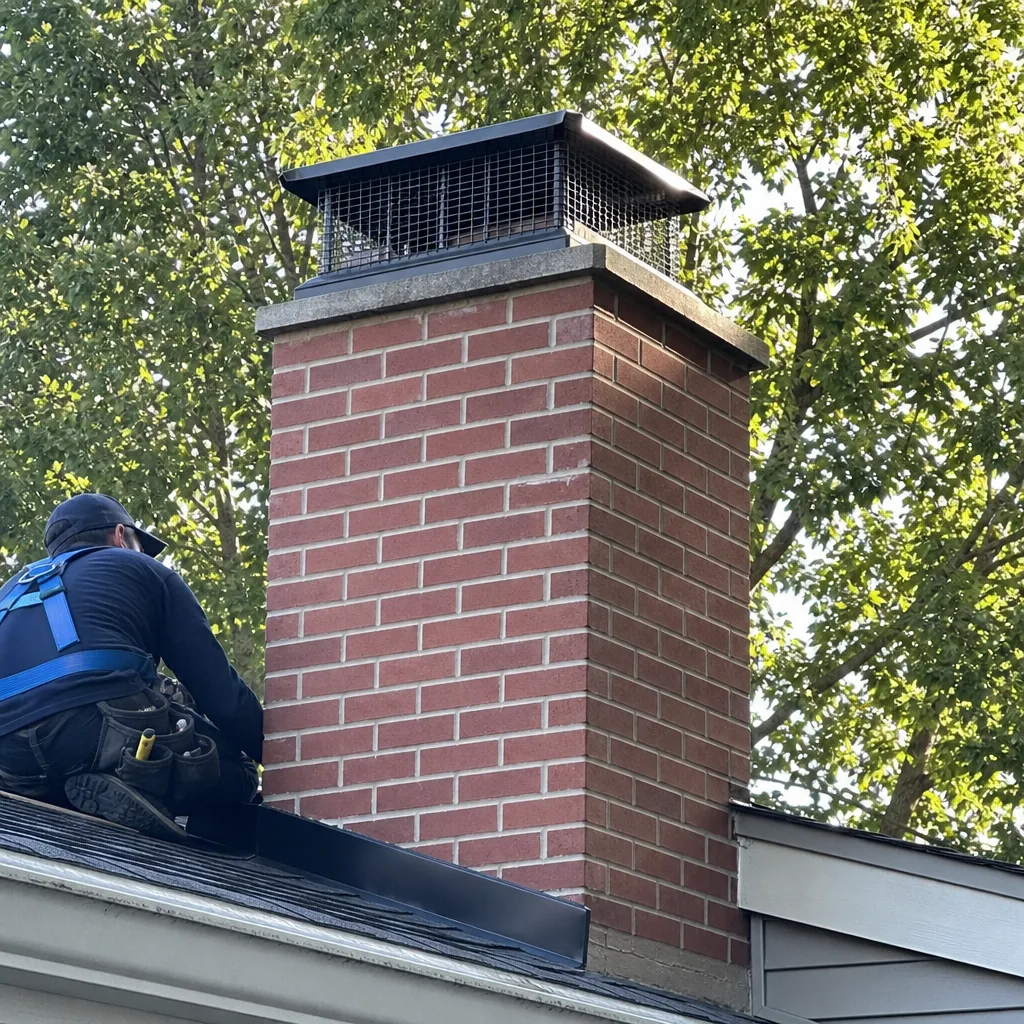 After
After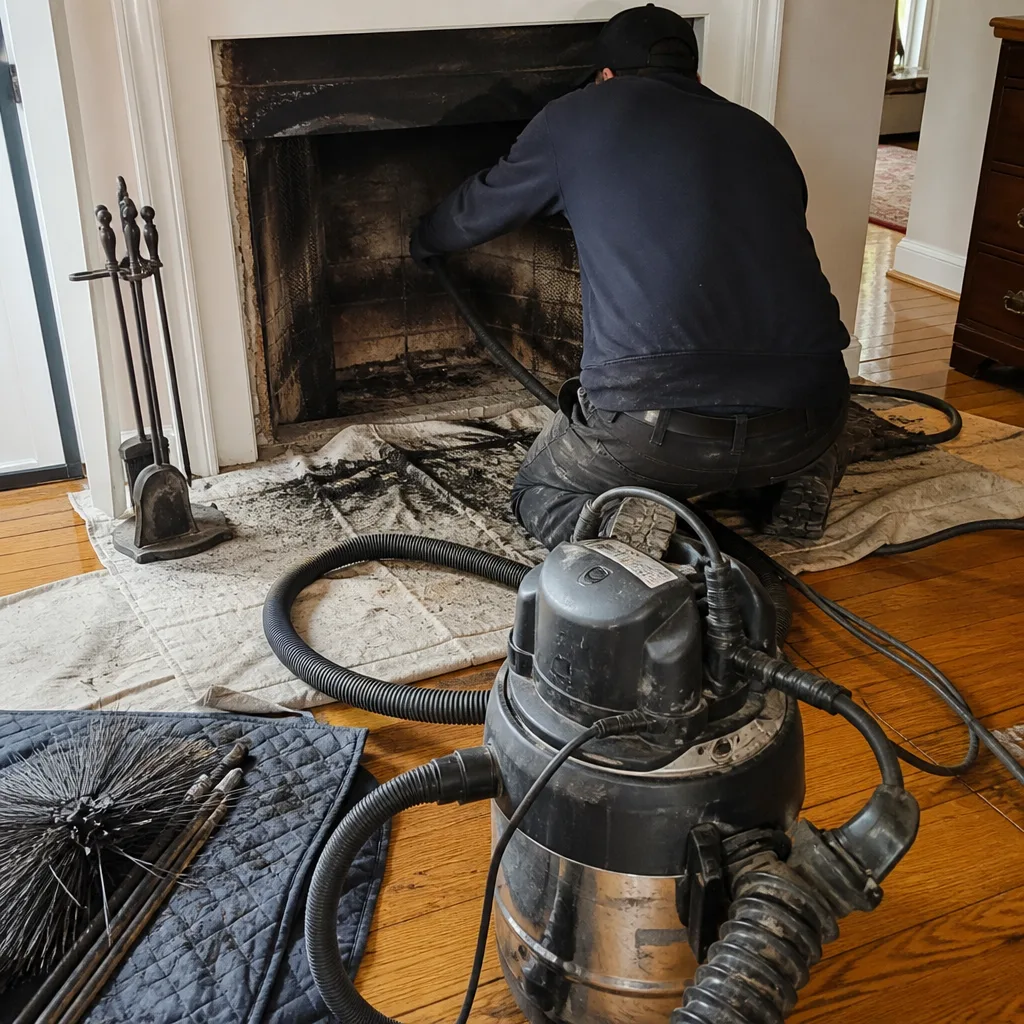 Before
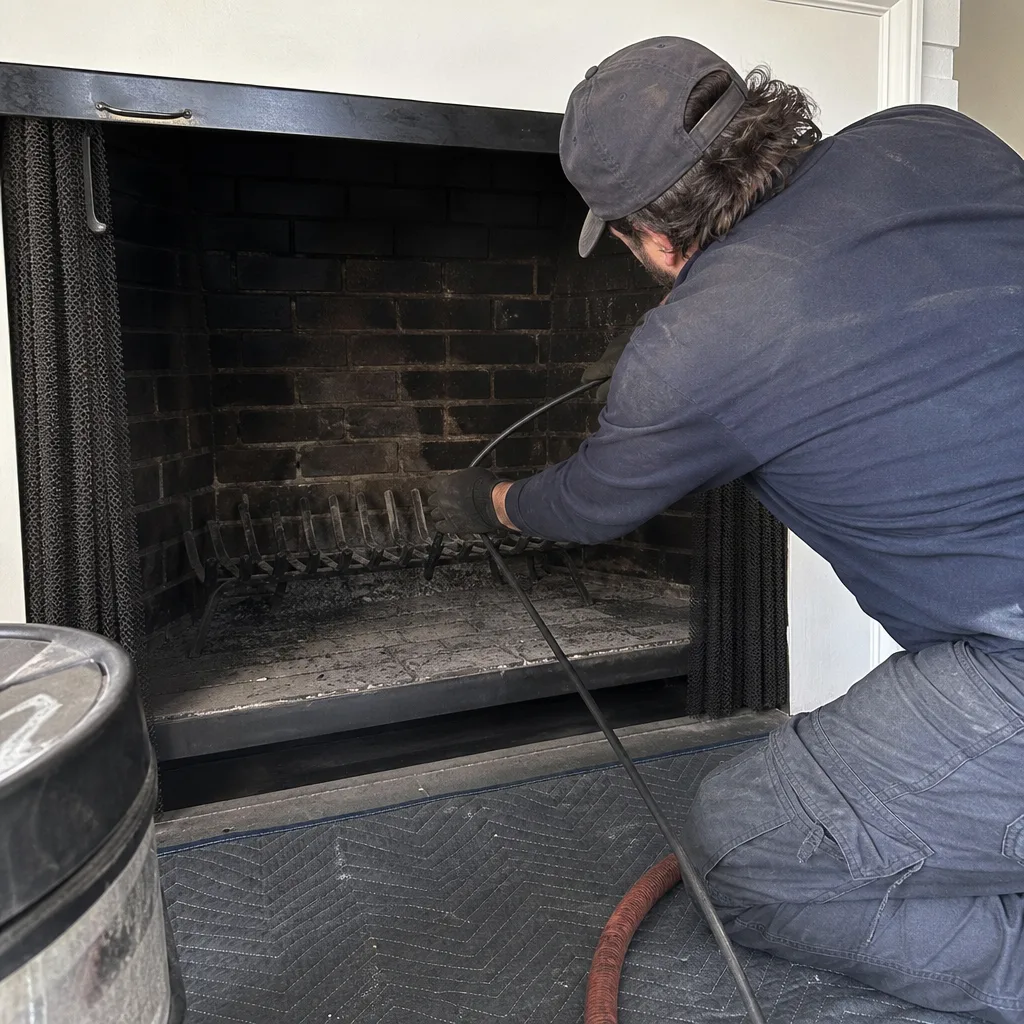 After
AfterChimney Cleaning & Sweep Maintenance Checklist for Evanston Homeowners
The most common phrase in chimney-related insurance denials is “no record of maintenance.” Not “no maintenance performed” - just no record. A checklist that ends with a checkmark but produces no written output is worth exactly as much as the denial letter that follows it. In Evanston, where lake-effect moisture and freeze-thaw cycles punish north-facing masonry faster than almost anywhere in the Chicago metro, documentation isn’t paperwork. It’s proof you did what a reasonable homeowner should do. This guide gives you a room-by-room, task-by-task schedule with the exact evidence each step should produce, who should perform it, and where to file it.
Quick Answer
Evanston homeowners should perform monthly visual checks on the firebox and damper, schedule a professional NFPA 211 Level 2 chimney inspection with camera scan every 12 months (before the first fire of the season), and complete our Chimney Cleaning & Sweep services when creosote reaches 1/8 inch thickness. Every task should produce a dated, storable record - photo, written report, or signed invoice - kept with your homeowner insurance file for at least 10 years.
Table of Contents
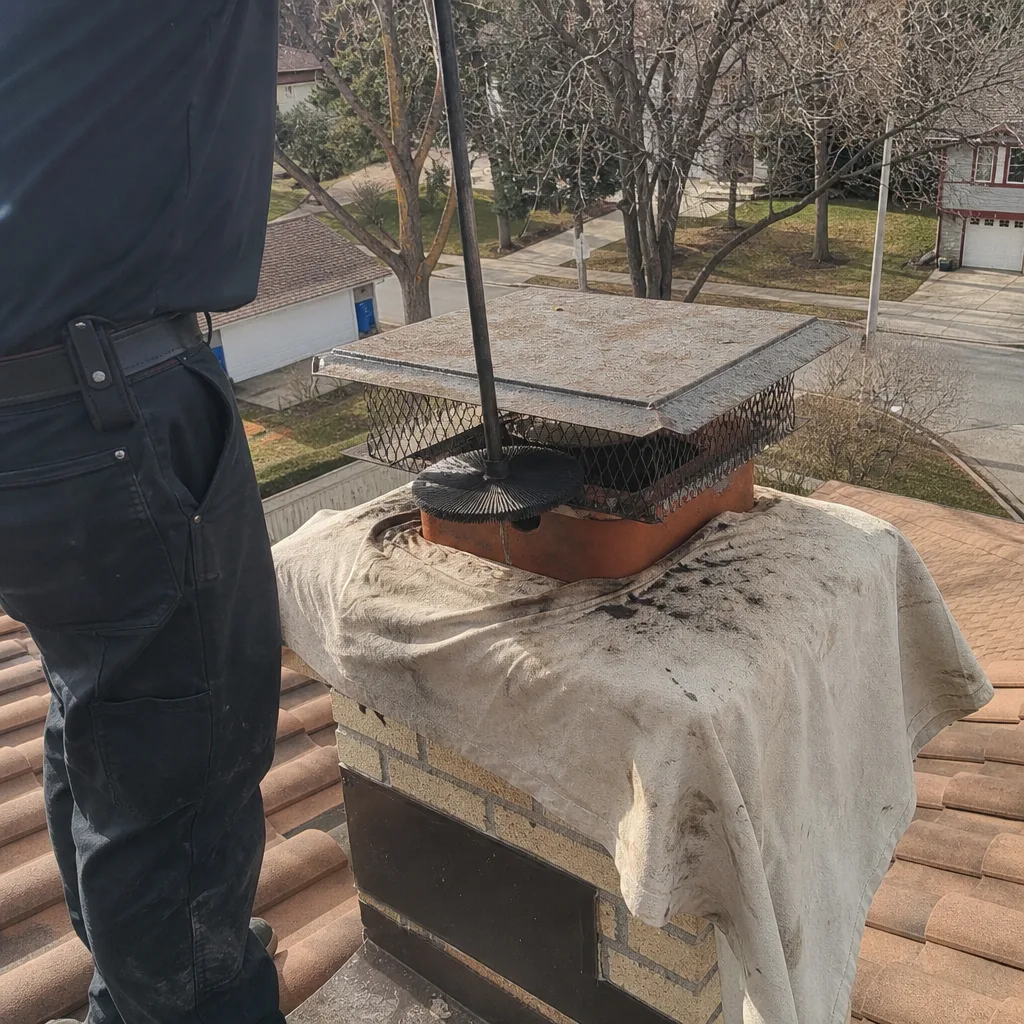
- September Tasks: Pre-Season Lockdown
- October Through March: Active Burning Season
- April Tasks: Post-Season Shutdown
- Evanston Climate Triggers: What the Lake Does to Your Chimney
- Documentation Standards: What Record Each Task Must Produce
- Camera vs. Visual: What You Can’t Self-Certify
- Handing Off the Checklist to a New Contractor
- Common Mistakes to Avoid
- When to Call a Professional
- Frequently Asked Questions
- The Bottom Line
BeforeAfterSeptember Tasks: Pre-Season Lockdown
September is non-negotiable in Evanston. The first cold snap typically arrives by mid-October, and every chimney company in the Chicago metro is booked solid by then. Waiting until you feel cold is waiting too long.
Here’s what happens in September, who does it, and what record it produces:
- Exterior masonry walk-around (homeowner or handyman)
- Check for spalling - flaking or chipping of brick faces - especially on the north and east sides where lake-effect moisture lingers longest.
- Inspect mortar joints for receding or missing material. Use a flathead screwdriver: if you can dig out mortar crumbles to 1/4 inch depth, the joint needs repointing before freeze-thaw cycles begin.
- Verify the chimney cap is present, properly seated, and has mesh sides intact. No cap means direct water entry and animal access.
- Look for white efflorescence staining - salt deposits that signal water is moving through the masonry.
- Documentation: Date-stamped photos of all four sides, close-ups of any damage, stored in a dedicated “Chimney 202X” folder.
- Firebox and damper inspection (homeowner)
- Open the damper fully. It should move smoothly and seat flat when closed. Light a match and watch smoke: it should draw upward immediately.
- Inspect firebrick for cracks wider than a credit card edge, or any brick that moves when pressed.
- Check the smoke chamber (the sloped area above the damper) for visible soot buildup or gaps in parging (the smooth mortar coating).
- Documentation: Written notes with date, including damper operation description, stored with September exterior photos.
- Professional NFPA 211 Level 2 inspection with camera scan (certified chimney sweep)
- This is not optional for any Evanston home with a wood-burning fireplace, gas insert with shared flue, or masonry chimney older than 10 years.
- The technician runs a camera the full length of the flue liner, documenting cracks, gaps, offset joints, and creosote classification (Class I, II, or III - with Class III being the glazed, highly combustible tar-like deposit that requires immediate removal).
- A Level 2 inspection also examines accessible portions of the chimney exterior, attic, and basement for proper clearances and condition.
- Documentation: Written report with photo stills or video file, signed by the technician, with clear statement of sweep needed (yes/no) and any repair recommendations with written prices. This is your insurance-grade record. Clause 4 of the Haven Standard requires this photo record on every job.
If the inspection reveals creosote buildup of 1/8 inch or more, or any Class II or III deposit, the sweep happens now - not “after the holidays.” In our experience across Evanston and the North Shore, homeowners who defer the sweep until January are the ones calling with chimney fire odor or smoke backup during the coldest week of the year. For more on what to watch for, see our Chimney Cleaning Warning Signs: A Evanston Homeowner’s Reference Guide.
October Through March: Active Burning Season
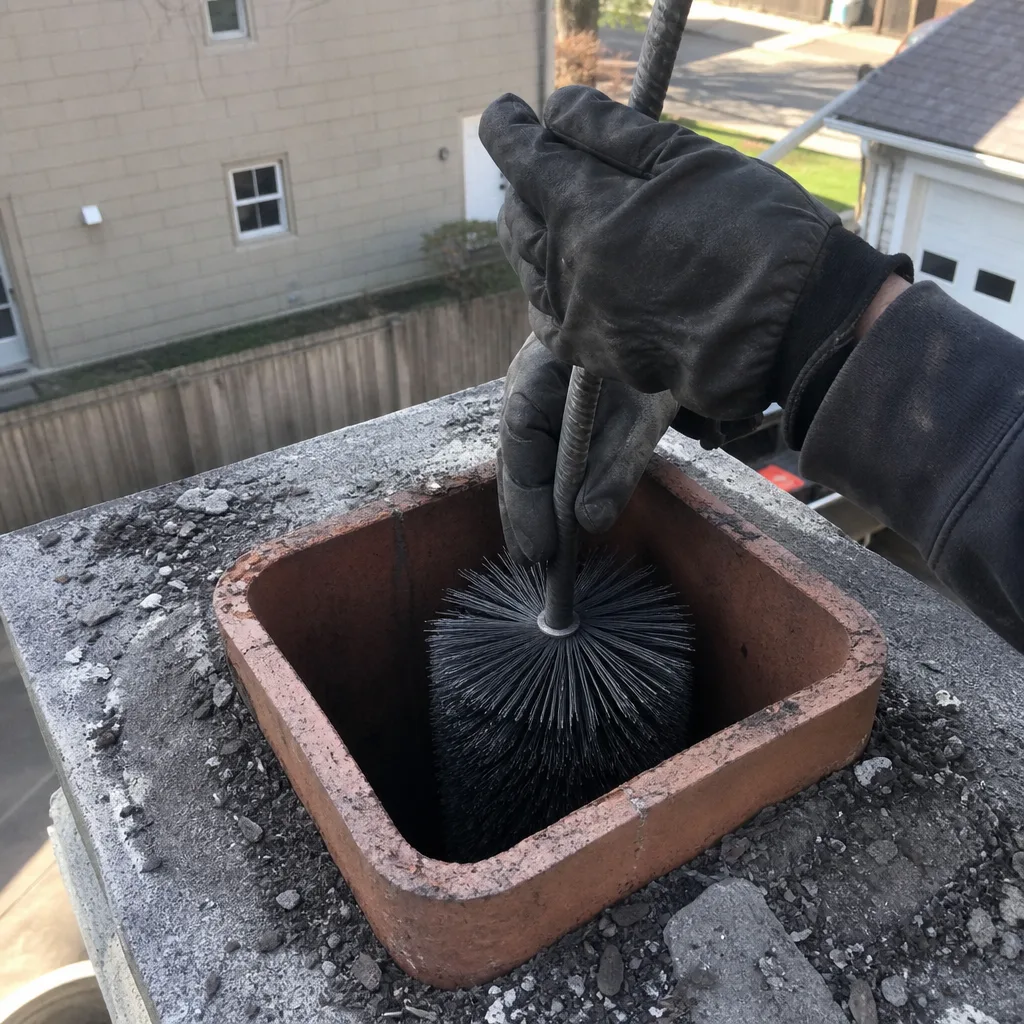
Burning season is not “set it and forget it.” These are your monthly and as-needed tasks.
Monthly Homeowner Checks
- Firebox ash removal: When ash exceeds 1 inch depth, remove it to a metal container with tight lid. Store outside on concrete, away from structures, for at least 3 days before disposal. Hot coals hide in ash for 72 hours.
- Smoke chamber visual check: With a flashlight, look up from the firebox. New soot accumulation, shiny black glaze, or any material dripping down indicates creosote formation that needs professional evaluation.
- Damper operation: Open and close fully. Sticking or grinding means creosote is building on the throat, or the damper is corroding from moisture.
- Exterior cap check after storms: High winds off Lake Michigan dislodge caps. A missing cap discovered in January means water and freeze damage all winter.
Mid-Season Professional Touchpoint
For households burning more than three cords per season, or burning softwoods like pine (common in Evanston due to availability from Wisconsin logging), schedule a mid-season inspection in January. Heavy use produces Class III creosote faster than annual inspection cycles catch. The Chimney Cleaning & Sweep in Evanston page details what this service includes.
Documentation: All monthly homeowner observations in a simple log - date, what you checked, what you saw. Mid-season professional visits produce the same written report and photo record as the September inspection.
April Tasks: Post-Season Shutdown
April is when most Evanston homeowners make their costliest mistake: they close the damper and forget the chimney until September. Moisture doesn’t take summers off, and neither does masonry deterioration.
- Final firebox cleaning
- Remove all ash. Vacuum with a HEPA-equipped shop vac (standard household vacuums blow fine particulate through the filter).
- Wipe firebrick with damp cloth to remove surface soot. Look for new cracks that opened during the heating season.
- Documentation: Final photos of firebox condition, compared to September baseline.
- Damper left cracked open
- Not fully open - just 1/4 inch. This allows minimal airflow to prevent moisture stagnation in the flue while blocking animal entry.
- Mark your calendar: “Close damper fully June 1” when humidity drops.
- Exterior cap and crown inspection
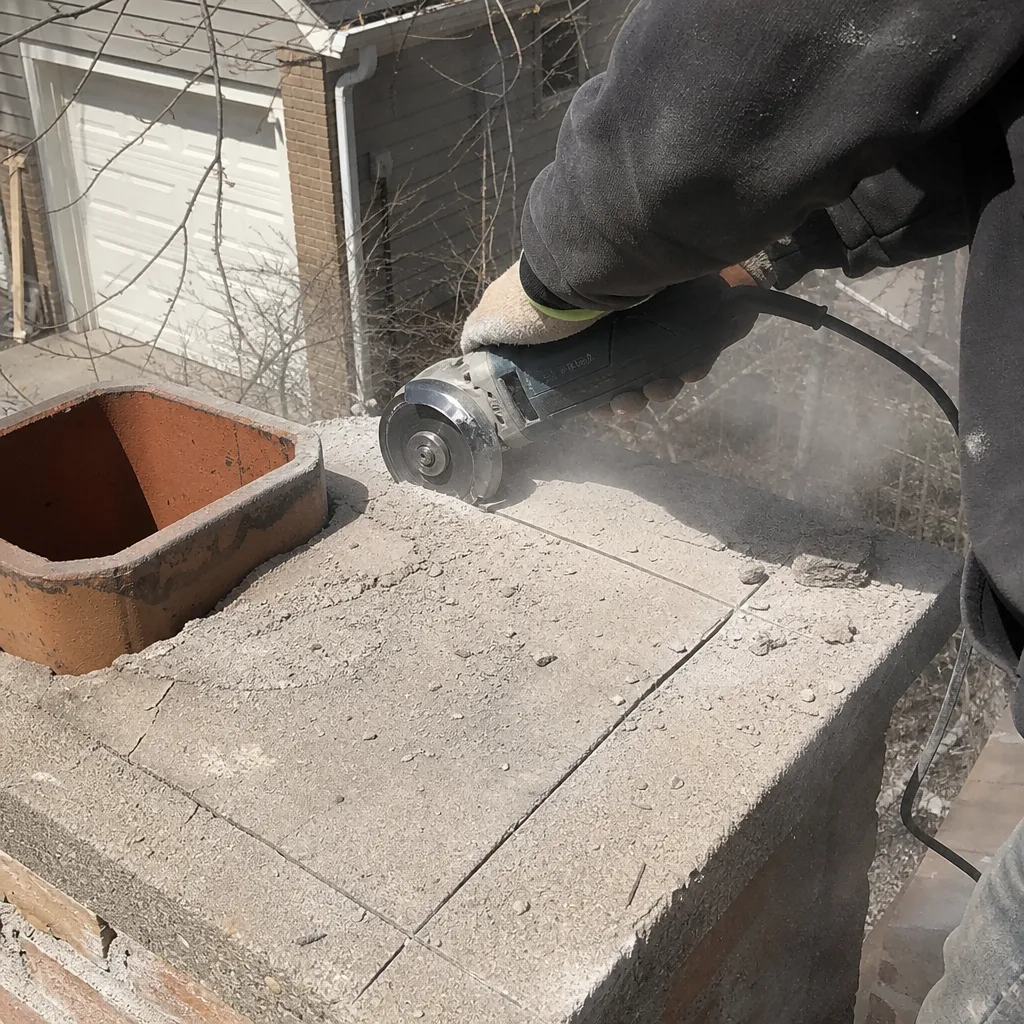
- Winter is when crown cracks propagate. Check for new gaps in the concrete crown (the slab topping the chimney), especially at the flue tile junction.
- Verify cap mesh is intact after winter ice loading.
- Documentation: Date-stamped photos, compared to September.
- Schedule any deferred repairs
- If your September inspection identified repointing, crown repair, or liner work you deferred, April through August is the booking window. Masonry work needs dry conditions and moderate temperatures for proper curing. Contractors who do quality crown work with materials like HeatShield or Gelco systems are scheduling 6-8 weeks out by May.
Evanston Climate Triggers: What the Lake Does to Your Chimney
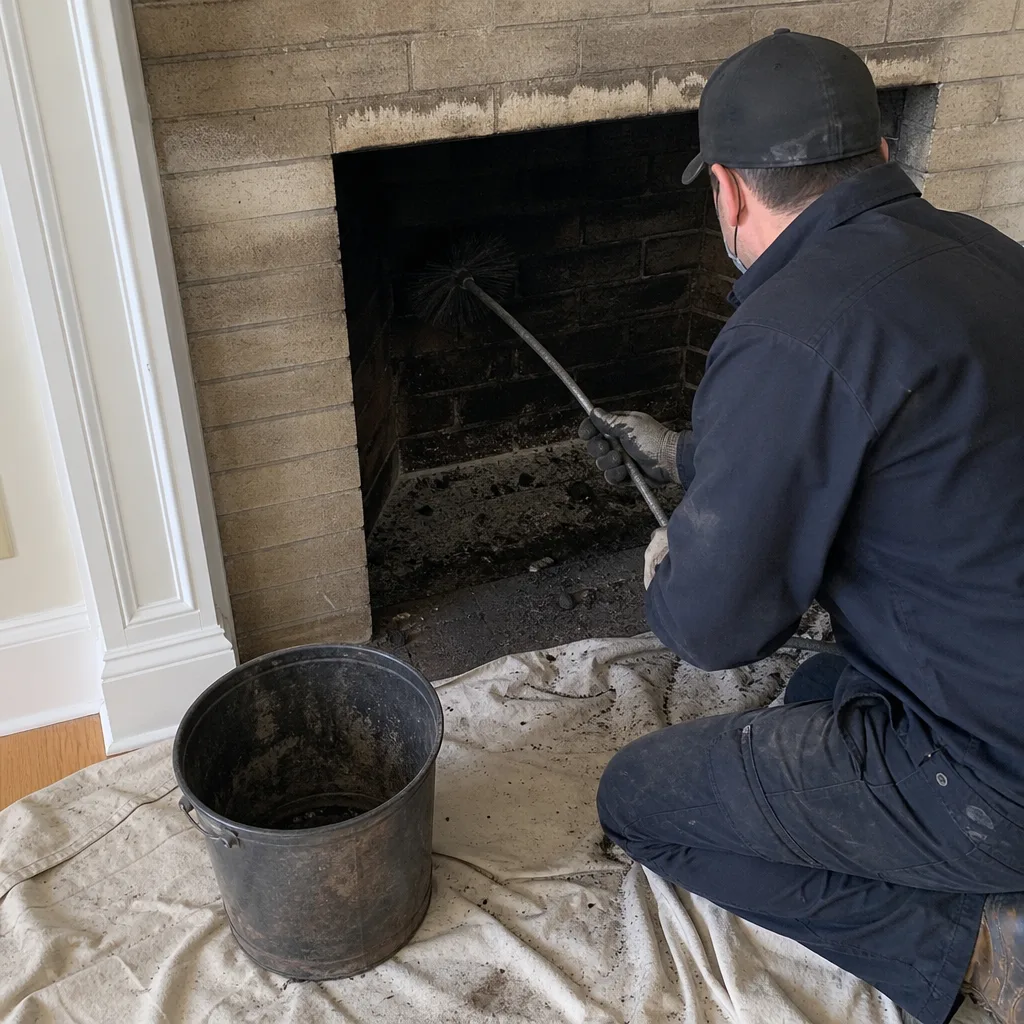
Evanston’s position on Lake Michigan creates specific, accelerated deterioration patterns that inland Chicago suburbs don’t experience at the same intensity. Understanding these triggers changes how you prioritize checklist items.
Lake-effect moisture cycling: Prevailing westerlies pick up moisture over the lake, then deposit it on Evanston’s east-facing exposures. Chimneys on the east side of homes, or with east-facing flues, experience 15-20% more wetting events per year than comparable structures in Skokie or Niles. Each wetting event followed by temperature drop below freezing is a freeze-thaw cycle. Each cycle expands water in mortar joints by 9%. The math is unforgiving.
North-facing masonry vulnerability: North-facing chimney cheeks never fully dry in winter. In neighborhoods like the Lakefill-adjacent areas and eastern Ridge Avenue corridors, we’ve documented mortar joint recession rates twice as fast on north faces compared to south faces of the same chimney. Your September checklist must include separate close-ups of north-facing joints.
Wind-driven rain entry: Evanston’s winter storms frequently combine rain with 40+ mph winds. Standard chimney caps with flat tops redirect water; caps with proper drip edges and angled tops (like those from Famco or Olympia Chimney specifications) perform measurably better. If your cap is more than 10 years old, it’s likely a flat-top design that predates current wind-rain testing.
Thermal shock from sudden cold: The lake moderates temperatures until it doesn’t. When arctic air masses override the lake effect, Evanston can drop 30 degrees in 12 hours. A chimney that was 45°F at noon can be 10°F by midnight. Masonry that’s absorbed lake moisture experiences thermal shock cracking at the flue liner interface. Only camera inspection reveals these cracks; they’re invisible from below.
These triggers mean your Evanston checklist needs tighter inspection intervals than generic national guidance suggests. The NFPA 211 annual minimum is a floor, not a ceiling. In our 38,000+ inspections since 2009, Evanston chimneys show accelerated liner degradation and crown failure compared to our inland service areas.
Documentation Standards: What Record Each Task Must Produce
A checklist without specified output is a liability dodge. Here’s the documentation matrix we use, adapted for homeowner application:
| Task | Performer | Required Output | Storage Location | Retention Period |
|---|---|---|---|---|
| September exterior walk-around | Homeowner | Date-stamped photos, 4 sides minimum | Cloud folder: “Chimney/[Year]/September” | 10 years |
| September professional inspection | Certified sweep | Written report, camera video/stills, signed | Insurance file + cloud backup | 10 years |
| Monthly burning season checks | Homeowner | Dated log entry | Same cloud folder | 3 years |
| Mid-season professional visit | Certified sweep | Written report, camera documentation | Insurance file + cloud backup | 10 years |
| April shutdown inspection | Homeowner | Date-stamped photos, condition notes | Cloud folder: “Chimney/[Year]/April” | 10 years |
| Any repair work | Licensed contractor | Written scope, written price, written warranty, photo completion record | Insurance file + property disclosure file | Permanent |
The 10-year retention isn’t arbitrary. Illinois property disclosure requirements and most homeowner insurance policies look back 7-10 years for maintenance history. In a chimney fire claim dispute, “we had it cleaned” without dated, signed documentation is functionally equivalent to “we did nothing.”
Clause 1 of the Haven Standard - “Have it in writing” - applies to professional work. Adapt it for your homeowner-performed tasks: if you didn’t photograph it and date it, you didn’t do it.
Camera vs. Visual: What You Can’t Self-Certify
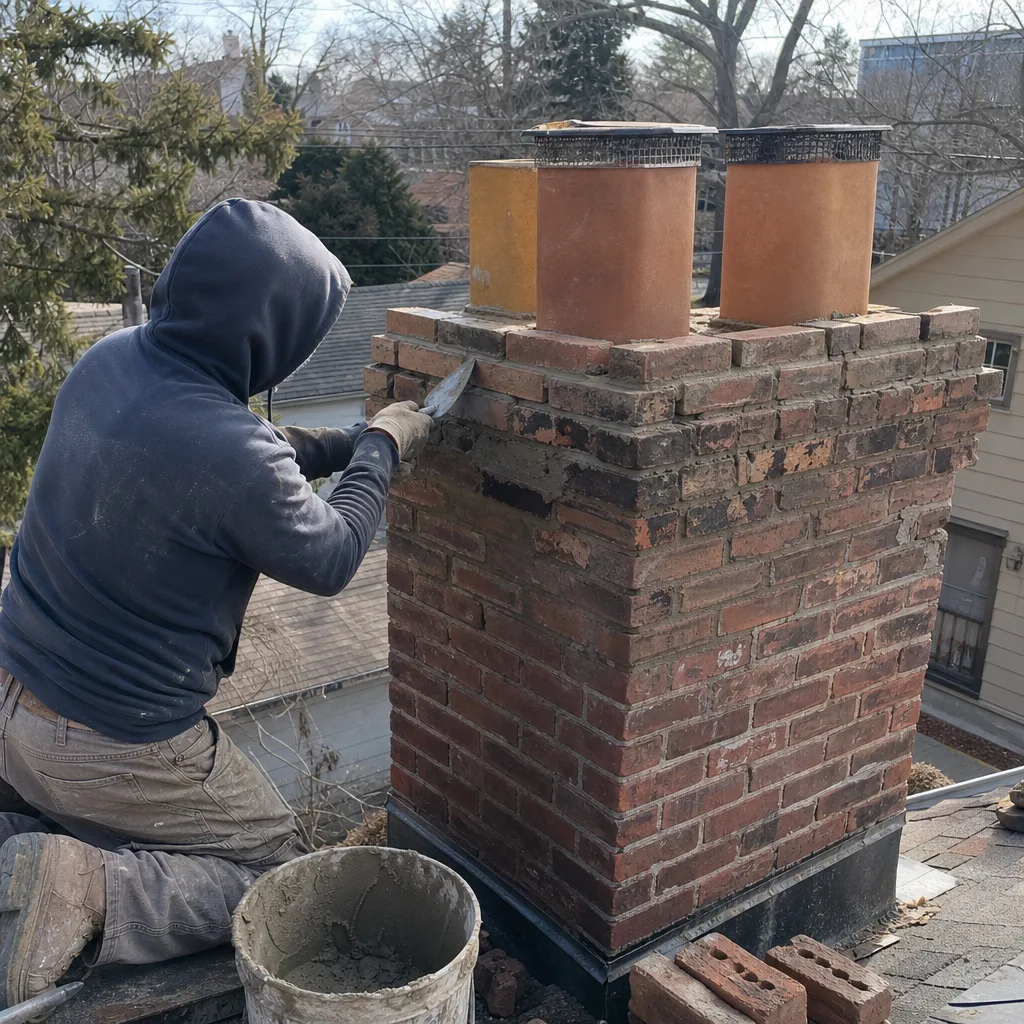
This section names what honest inspectors know: some checklist items require tools homeowners don’t own and training they haven’t received. Pretending otherwise is dangerous.
What homeowner visual inspection can reliably detect:
- Missing or damaged chimney cap
- Obvious spalling or missing bricks
- Damper operation (open/close)
- Excessive ash or debris in firebox
- Smoke drawing properly (match test)
- Visible cracks in firebrick
What requires camera inspection and professional interpretation:
- Flue liner condition - clay tile cracks, stainless steel weld failures, terracotta spalling. These occur on interior surfaces invisible from the firebox. A crack 15 feet up a flue releases combustion gases into wall cavities. You cannot see this without a camera.
- Creosote classification - Class I (sooty, easily brushed), Class II (flakey, requires rotary equipment), or Class III (glazed, requires chemical treatment or replacement). Visual appearance from below is misleading. We’ve seen fireboxes that looked “a little dirty” with Class III glaze coating 80% of the flue.
- Smoke chamber parging integrity - the sloped walls above your damper should be smooth to direct smoke into the flue. Gaps, cracks, or missing parging create turbulence that deposits creosote and can allow heat transfer to framing. Only angled camera positioning shows the full smoke chamber.
- Chimney crown interior condition - the top surface may look intact while the underside is delaminating from freeze-thaw. Camera from below reveals this.
- Clearance to combustibles in inaccessible spaces - attic and basement chimney passages require physical inspection with proper lighting and measurement tools.
The NFPA 211 Level 2 inspection, which includes camera scan of the full flue length, is the standard that addresses these items. Emberly Chimney Cleaners made this the default in 2009, before regulators or insurers required it, and that practice became Clause 4 of the Haven Standard. Emberly Chimney Cleaners Evanston home explains our inspection protocol.
Homeowner self-certification of these items is like self-certifying your electrical panel - technically possible to look at, genuinely dangerous to rely on.
Handing Off the Checklist to a New Contractor
Homeowners change service providers. Properties sell. Estate managers step in. A checklist that lives in one person’s head dies with their memory. Here’s how to make your maintenance record transferable and enforceable.
The handoff packet should include:
- Three years of dated documentation - photos, professional reports, homeowner logs. This establishes pattern and baseline condition.
- Most recent professional report with camera documentation - the current “state of the chimney” reference.
- This checklist, with your annotations - mark which items you’ve performed, which you’ve deferred, and why.
- Written expectations for the new contractor - specifically: “Camera inspection of full flue length required on every visit. Written price before work starts. Photo record delivered with invoice.” These are not preferences; they’re the minimum documentation standard for insurance defensibility.
When we receive a new customer in Evanston who brings us their prior contractor’s report, we can assess immediately whether the documentation meets Haven Standard requirements. Most don’t. The typical “inspection” from a non-specialist is a flashlight glance and a carbon-copy checklist with checkmarks. No photos. No video. No written price for recommended work. That report has zero value in a dispute.
If you’re interviewing a new contractor, hand them this checklist and ask: “Which items on this list will you document with photos, and which with written report?” If they hesitate or offer “we’ll give you a receipt,” keep looking. Receipts prove payment, not performance.
For Chimney Repair in Evanston, documentation standards are even more critical - repair work without before-and-after photo records is unverifiable.
Common Mistakes to Avoid
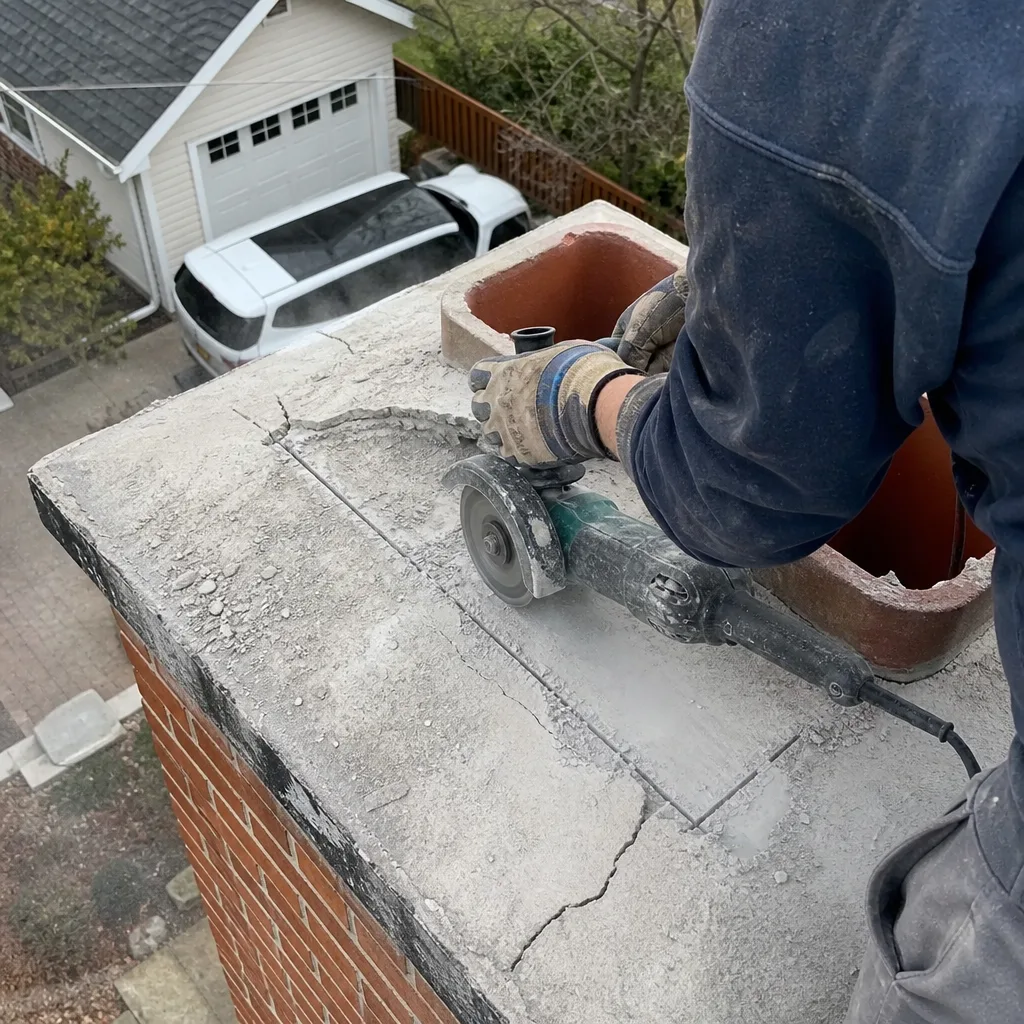
- Deferring the September inspection until “it gets cold.” By mid-October, every reputable sweep in the Chicago metro is booked 3-4 weeks out. The first fire happens before the inspection. In Evanston, where early cold snaps coincide with wet fall conditions, this is when most chimney fires occur.
- Storing documentation only in email. Email searches fail when you need them most - during an insurance claim, often years later. Download attachments to a dedicated folder, and back up to cloud storage with version history.
- Accepting “the chimney looks fine” as a report. Verbal assessments, even from licensed contractors, are worthless in dispute. Every inspection must produce written output with date, technician name, and specific findings.
- Ignoring the north face. Evanston homeowners consistently photograph the south and west faces (accessible from driveways and yards) while neglecting north-facing masonry that bears the brunt of lake-effect moisture. Use a ladder or request drone documentation for full coverage.
- Assuming gas fireplaces need no inspection. Gas inserts share flues with existing masonry, produce corrosive condensation, and can mask deteriorated liner conditions. Annual Level 2 inspection applies to all fuel types when masonry chimneys are involved.
- DIY creosote removal with hardware store brushes. Class II and III creosote requires rotary equipment and chemical treatment. Hand brushing glazes the surface without removing the deposit, creating a false sense of security while the fire hazard remains.
- Discarding old reports when selling. Illinois residential property disclosure requires known defects in chimney and fireplace systems. Prior maintenance records support “no known defects” claims and transfer to buyers as value-added documentation.
When to Call a Professional
Call a certified chimney sweep immediately if you detect: smoke entering the room during normal operation; a strong, acrid odor from the fireplace when not in use (indicating active creosote ignition); visible cracks in the flue liner visible from below; bricks or mortar fragments in the firebox; or any water staining on interior walls adjacent to the chimney chase.
These are not “watch and wait” conditions. Creosote ignition can reach 2,000°F. A cracked liner can allow carbon monoxide into living spaces. Water intrusion destroys masonry from within, invisibly, until structural failure occurs.
Emberly Chimney Cleaners Evanston offers free estimates in Evanston - call (708) 234-1174. Every estimate includes a written scope, written price, and explanation of what camera inspection would reveal. Our 365-Day Done Right Promise applies to all work, and we provide free second opinions on any competitor’s written estimate. Fireplace Services in Evanston covers our full range of inspection and maintenance offerings.
Frequently Asked Questions
A professional chimney sweep in Evanston typically ranges from $225 to $425 for a standard NFPA 211 Level 2 inspection with camera scan and basic sweep included. Heavy creosote (Class III), multi-flue systems, or steep-roof access can push this toward the upper end. We deliver a written price before any work starts - no exceptions. Call (708) 234-1174 for an exact quote; estimates are free.
The NFPA 211 standard requires annual inspection for all chimney systems, with sweeping frequency determined by creosote accumulation rather than calendar. Most Evanston homeowners burning 1-2 cords of hardwood per season need sweeping every 12 months. See The Complete Guide to Chimney Cleaning in Evanston for full details on frequency factors. Those burning softwoods, using the fireplace as primary heat, or with older masonry systems may need mid-season attention. Lake-effect moisture also accelerates deterioration that can change liner conditions between annual inspections.
You should never accept a liner replacement recommendation without camera documentation you can see for yourself. At Emberly Chimney Cleaners, we show you the crack, gap, or corrosion pattern on screen before discussing options. If a company recommends liner work but won’t produce dated, labeled video or stills, get a second opinion - we provide these free for any written estimate. Materials from DuraFlex, HeatShield, or Olympia Chimney systems should be specified by name in any quote, not described generically.
Three outcomes, in order of probability: first, creosote accumulation increases fire risk with each burning season - chimney fires peak in January when deferred maintenance meets peak use. Second, undetected liner deterioration allows carbon monoxide, smoke, or combustion gases into living spaces. Third, moisture infiltration destroys masonry from within, converting a $400 maintenance expense into a $4,000+ rebuild. In Evanston’s climate, the timeline from first moisture entry to visible spalling is typically 3-5 years - faster on north and east exposures.
Monthly visual checks, ash removal, and basic damper operation tests are appropriate homeowner tasks. Camera inspection of the flue liner, creosote classification, smoke chamber evaluation, and clearance verification require professional training and equipment. The dividing line: if the task requires entering the flue, interpreting hidden surfaces, or measuring clearances in confined spaces, it’s not a DIY item. Safety caveat: never attempt to access a roof to inspect chimney components without proper fall protection; falls from roof height are a leading cause of serious injury in home maintenance.
Evanston’s lakefront location creates more aggressive moisture cycling, faster freeze-thaw deterioration on north-facing exposures, and higher wind-driven rain loads on chimney caps. Chimneys here also tend to be older - many in the Ridge Avenue and Lake Shore areas date to 1920s construction with original clay tile liners that have exceeded their design lifespan. These factors mean Evanston chimneys often need more frequent professional evaluation and earlier intervention on masonry repairs than comparable inland properties.
Keep 10 years of: dated professional inspection reports with technician signatures; camera documentation (video or stills) from every inspection; written scopes and invoices for any repair work; and your own dated photos from exterior walk-arounds. Store these in cloud storage with version history, not solely in email. In a chimney fire or structural claim, “no record of maintenance” is the most common denial phrase - not “no maintenance performed,” but no record that it happened.
The Bottom Line
A chimney maintenance checklist assigns every task to a specific month, a specific performer, and a specific documentation format. Without all three, it’s not a checklist - it’s a hope. In Evanston, where lake-effect moisture and freeze-thaw cycles accelerate deterioration unseen from ground level, the camera inspection is as essential as the sweep itself. Store your records where you’ll find them in 10 years, hand them to any new contractor as your standard, and never accept a verbal assessment where a written report is due. For more guides & resources on chimney maintenance documentation, explore our blog. The 38,000+ chimneys we’ve inspected since 2009 taught us this: the homeowners who never face insurance disputes are the ones who can produce the dated, signed, photographed proof that they did what reasonable maintenance requires.
Ready to start your documented maintenance record? Call Emberly Chimney Cleaners Evanston at (708) 234-1174 for a free estimate. We’ll deliver a written price before any work starts, complete a full camera-scan inspection under NFPA 211 Level 2 standards, and provide your dated photo record under Haven Standard Clause 4. Every job is backed by our 365-Day Done Right Promise.
Written by Corrine Halstead, Owner at Emberly Chimney Cleaners Evanston, serving Evanston since 2009.