
Last updated September 22, 2026
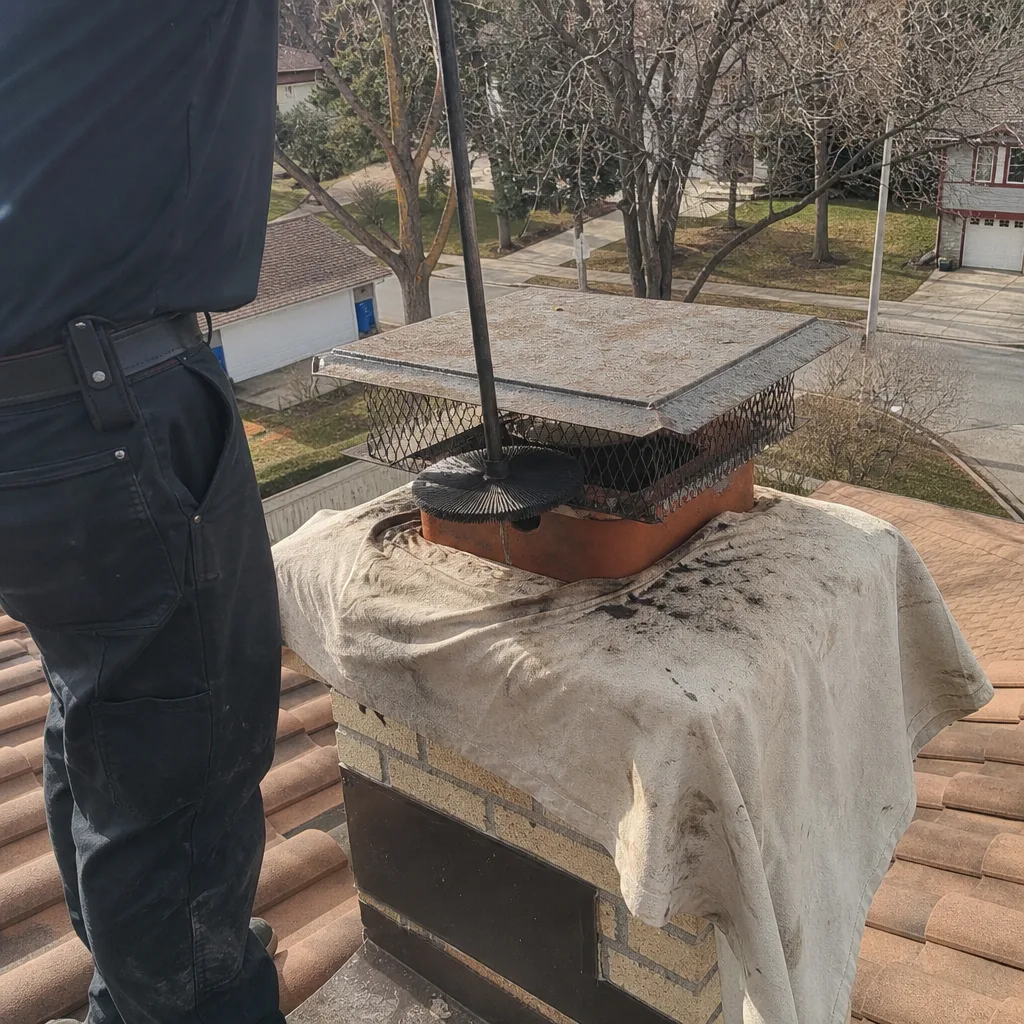
Level 1 sweep and inspection to the NFPA 211 annual standard - flue, crown, cap, and flashing checked and photographed
Chimney sweep logs do not sweep chimneys. They loosen some creosote - which then falls where a brush and vacuum still have to collect it.
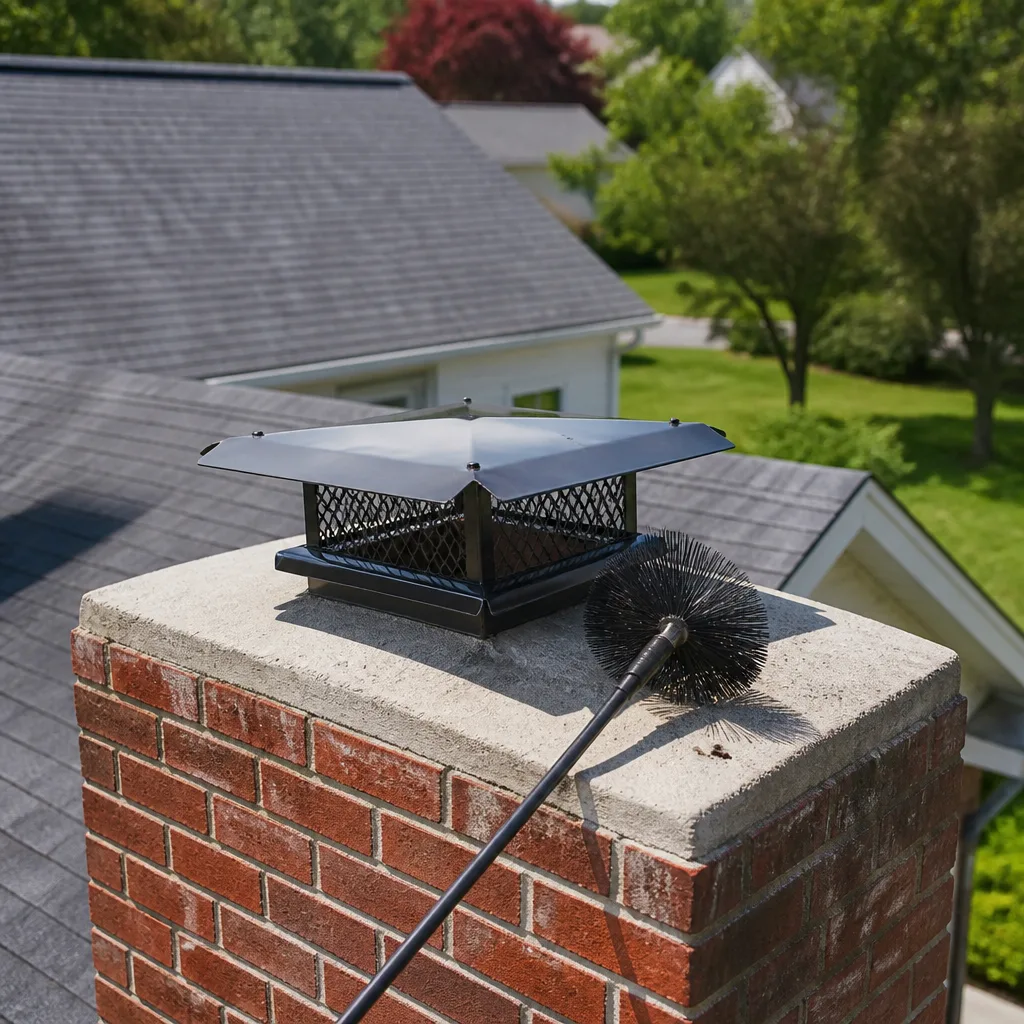
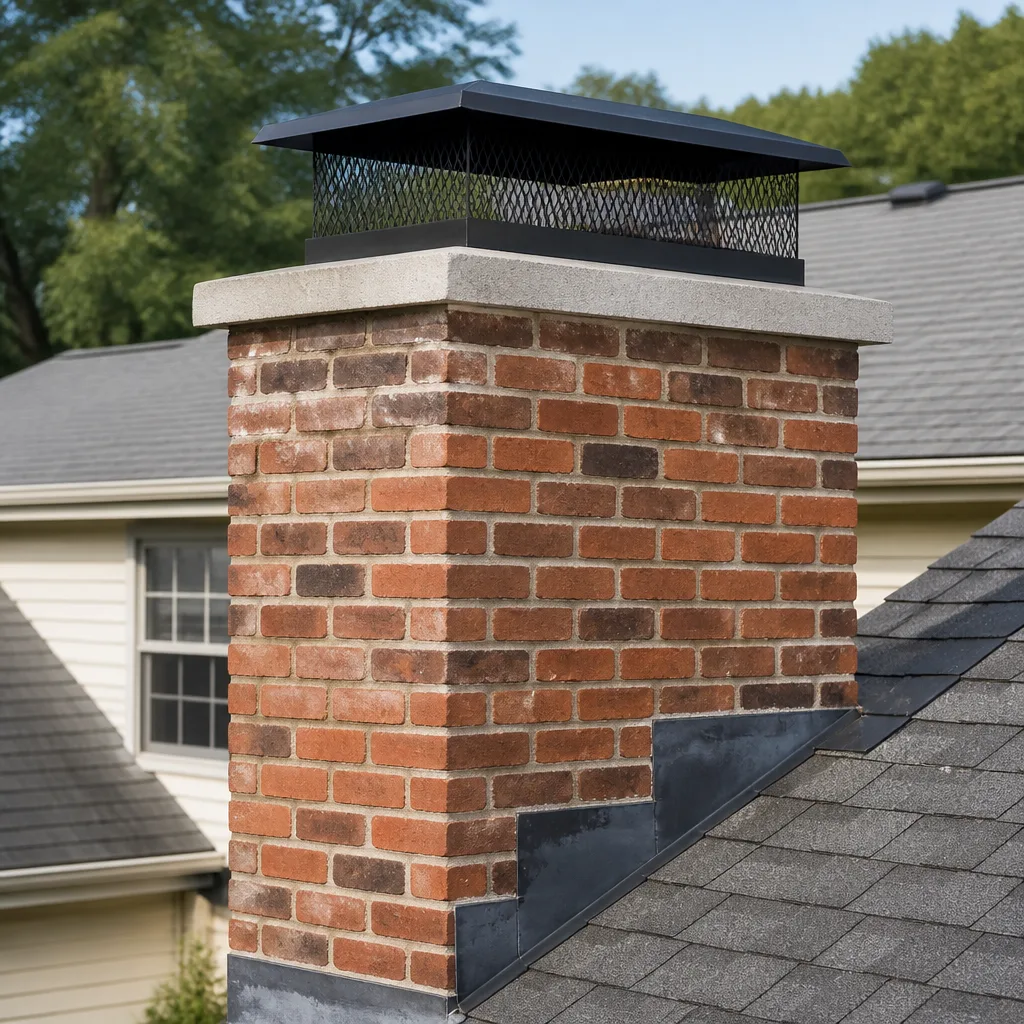
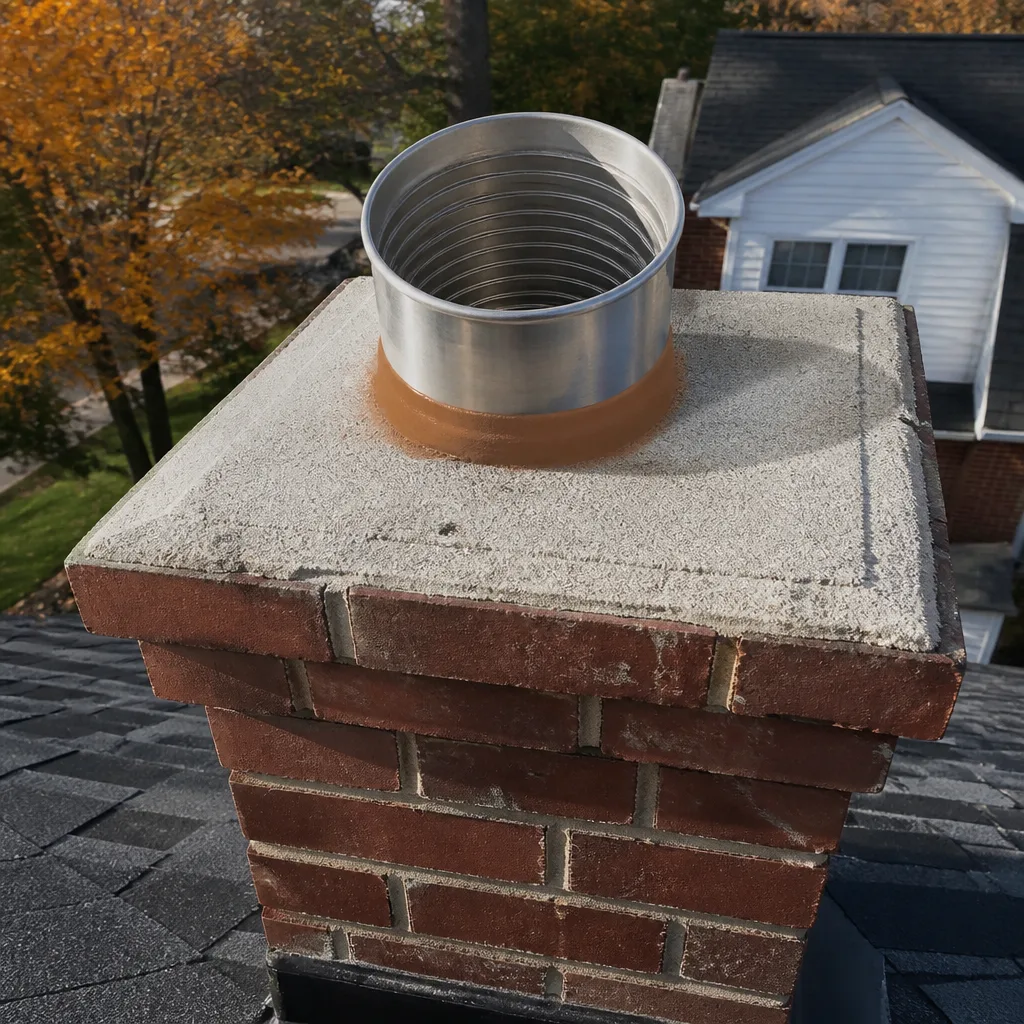
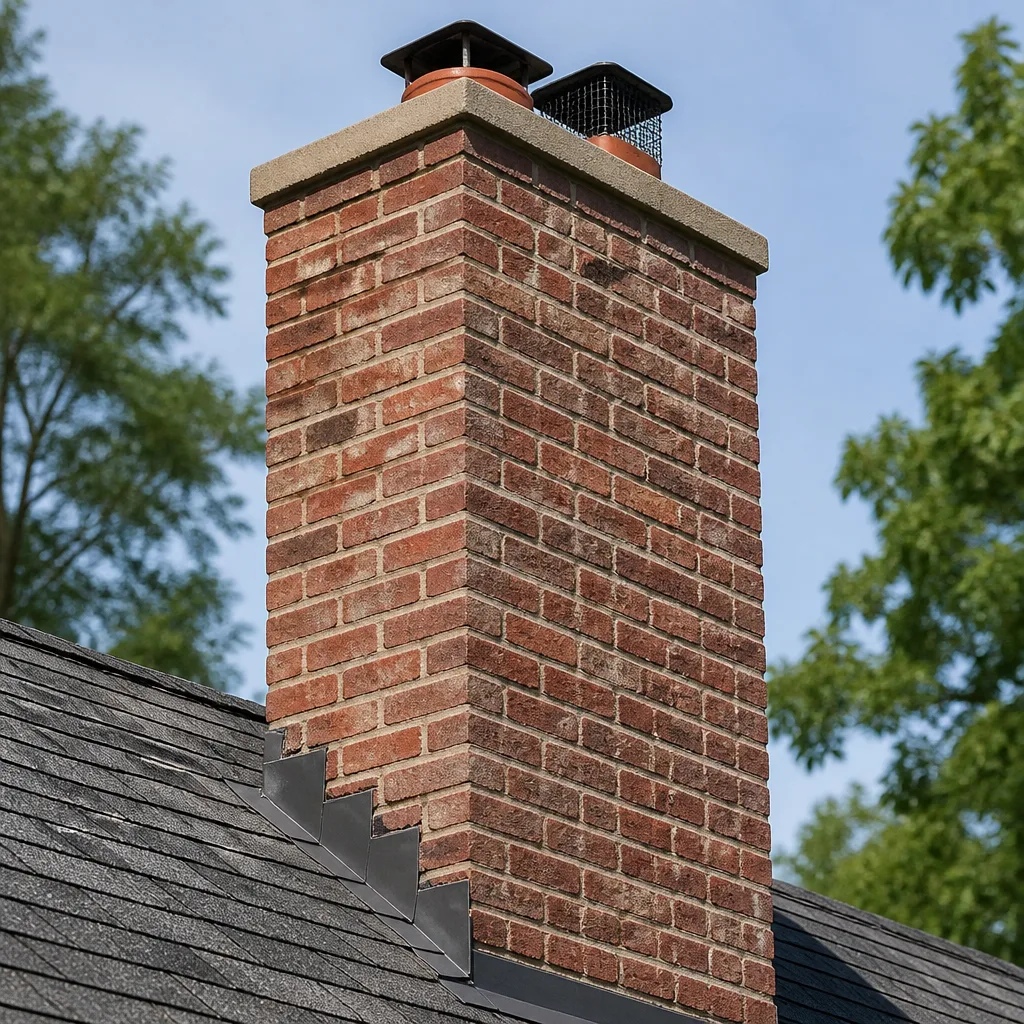
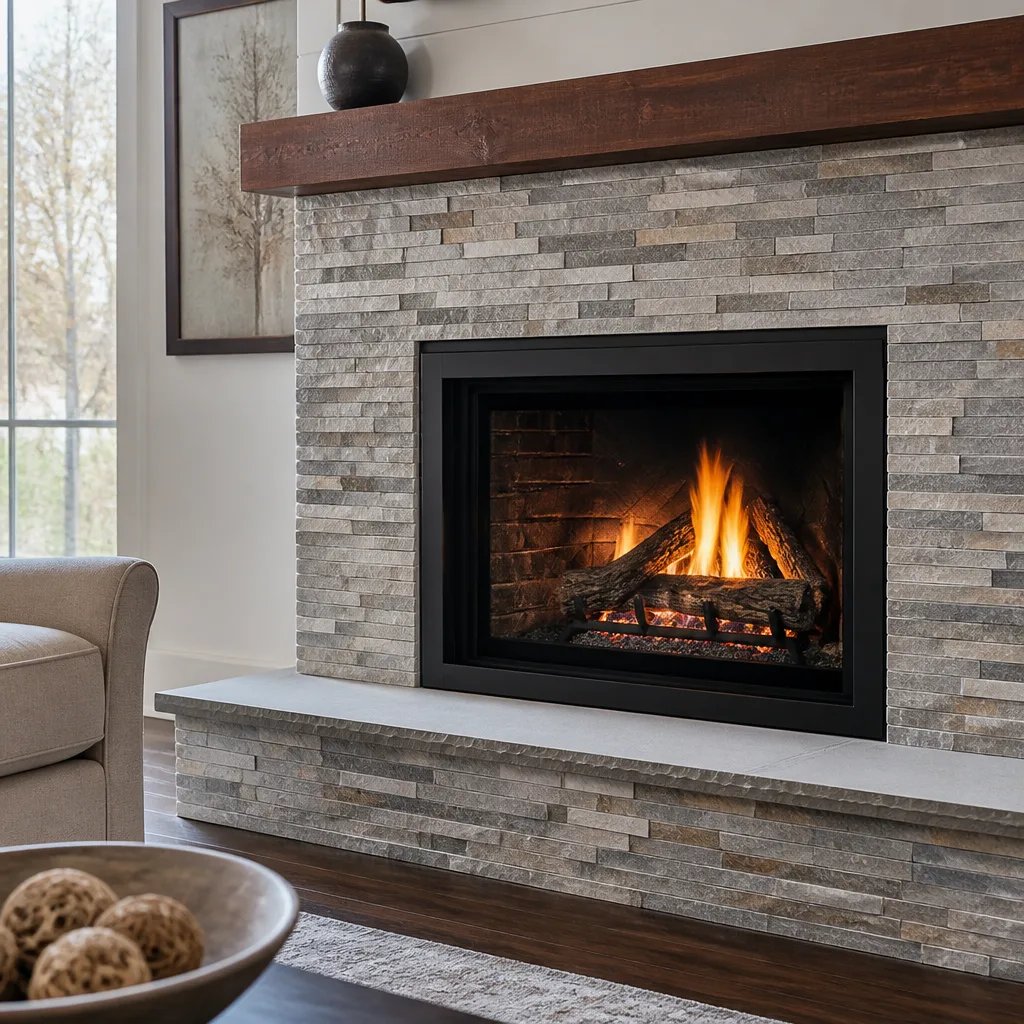
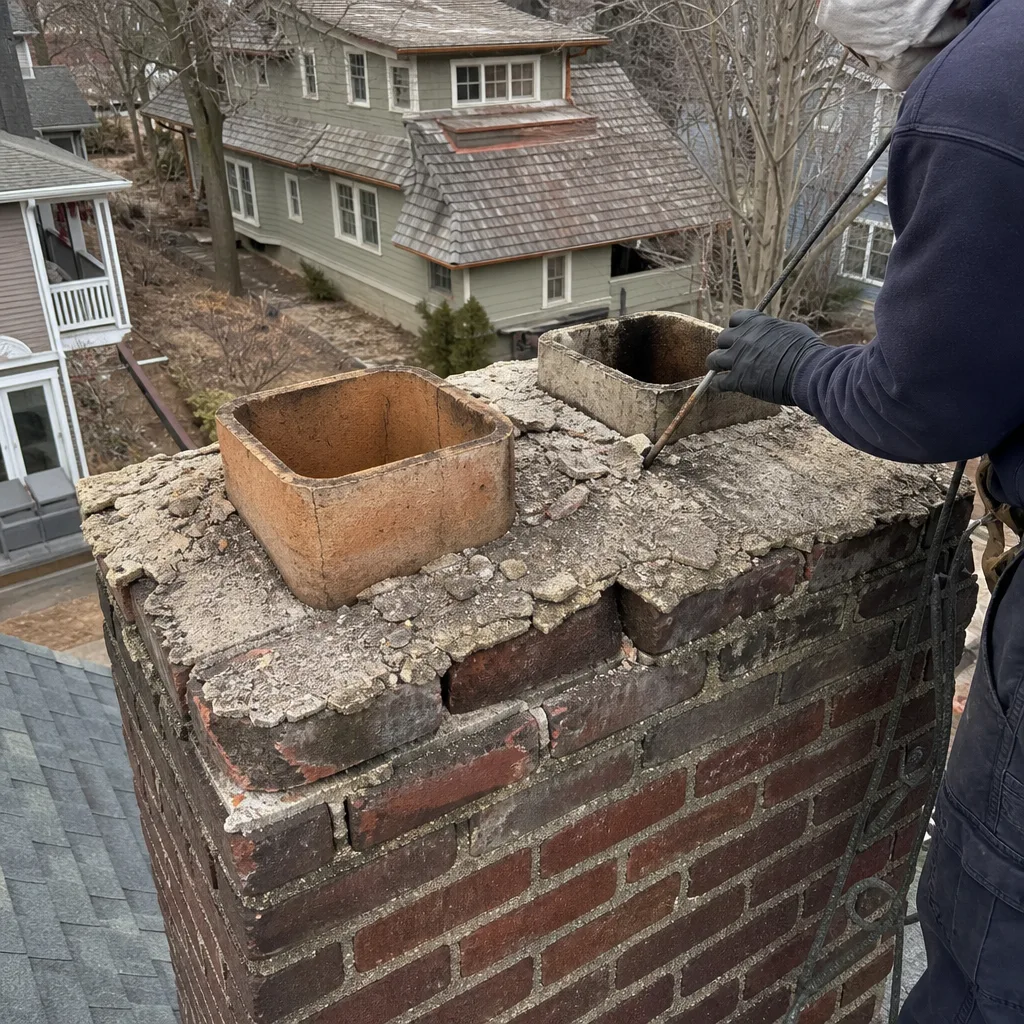 Before
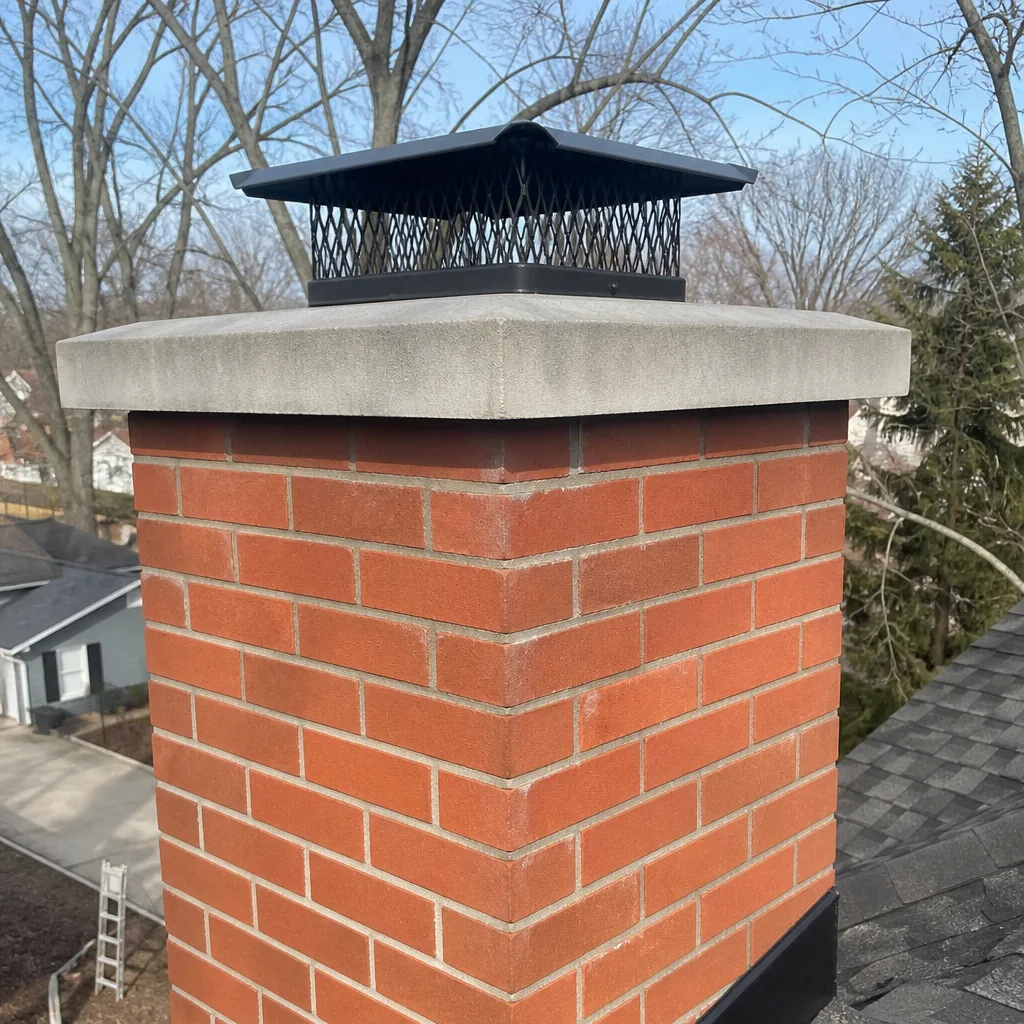 After
After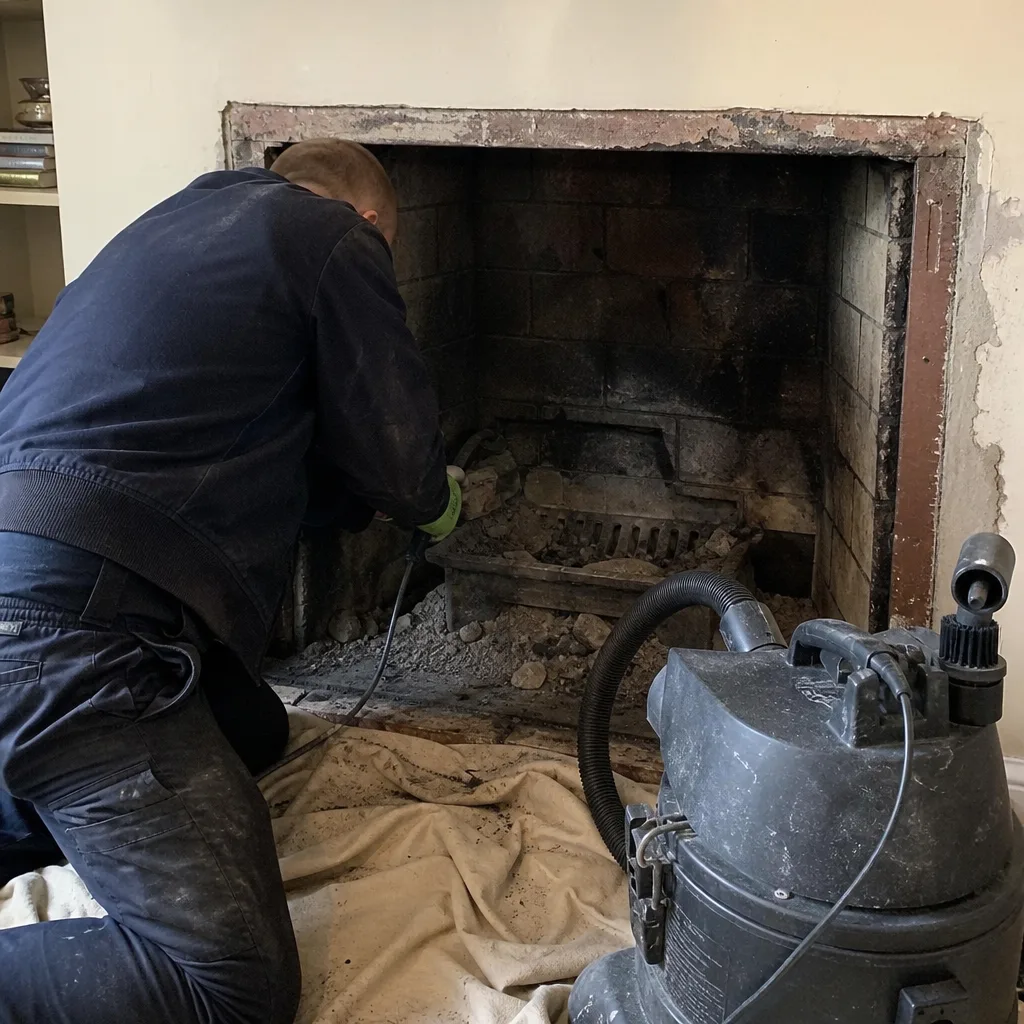 Before
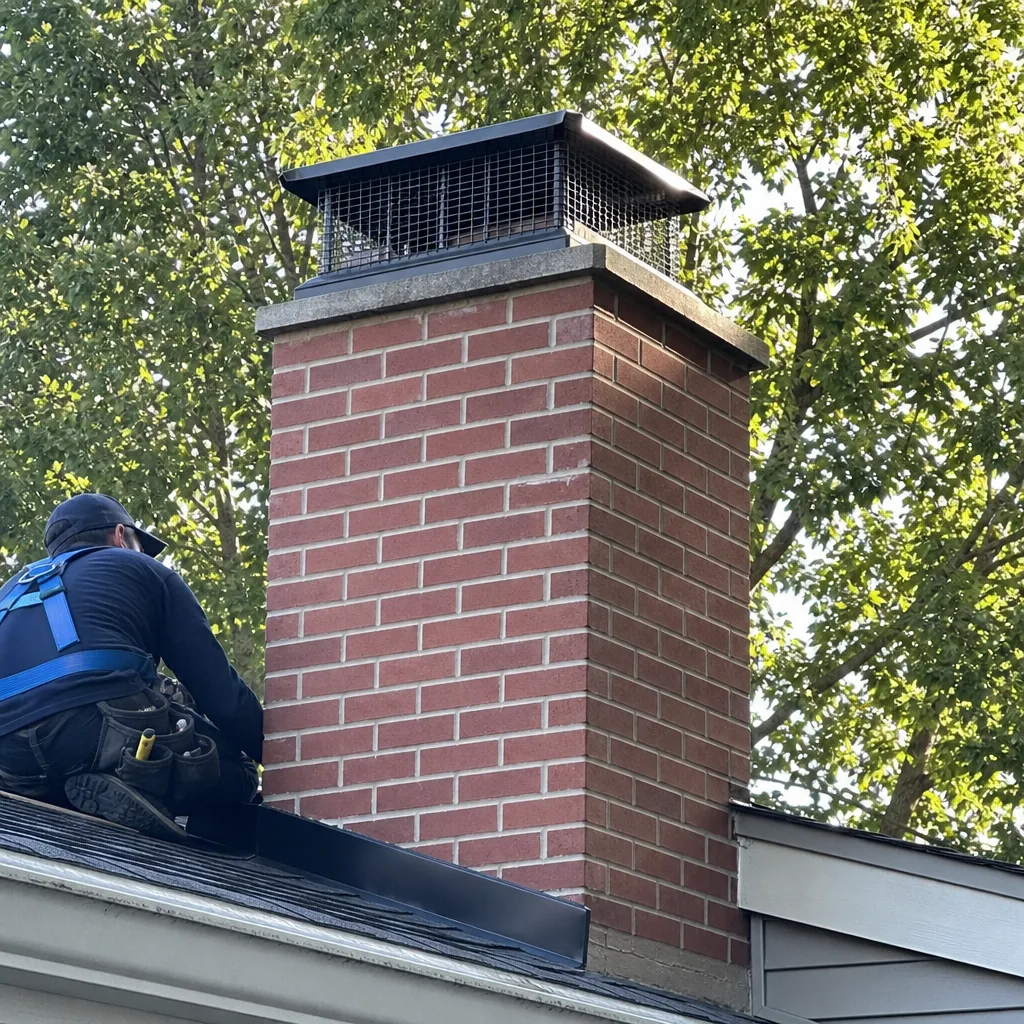 After
After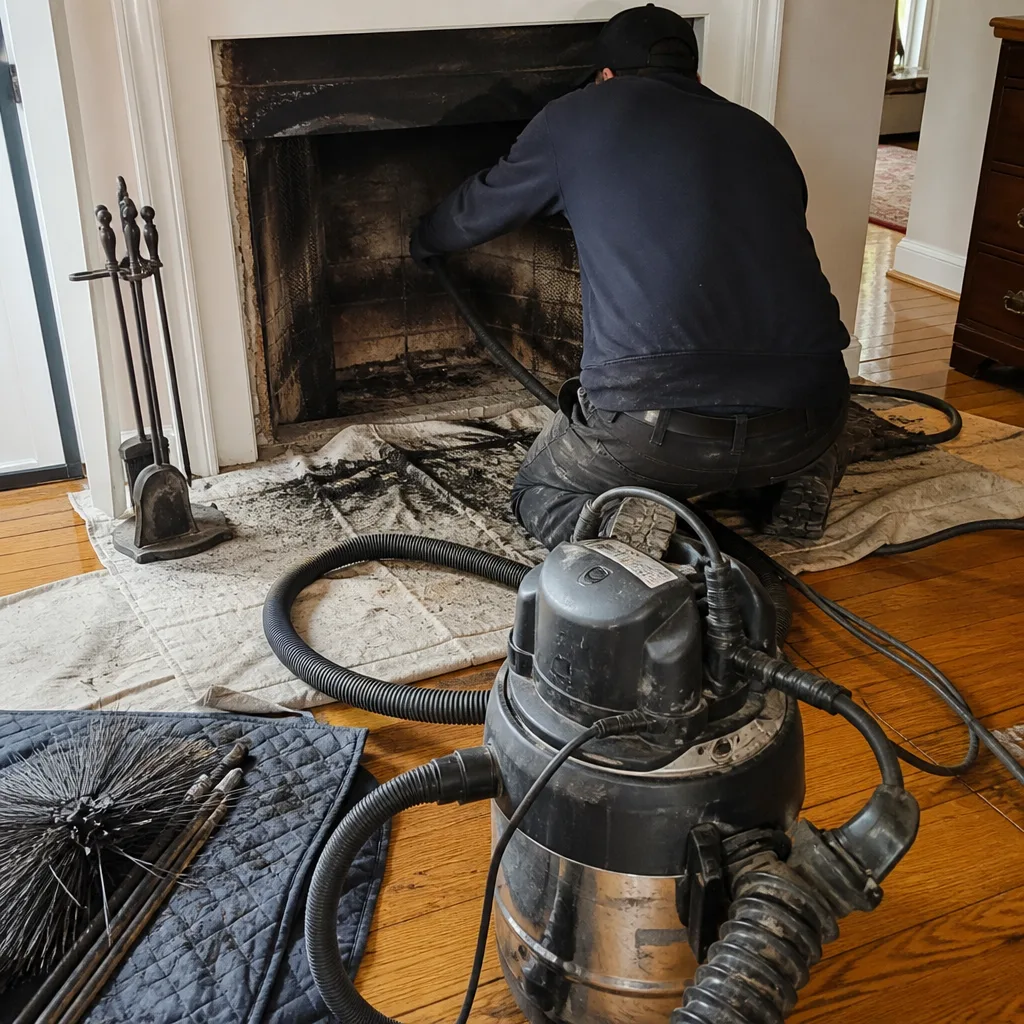 Before
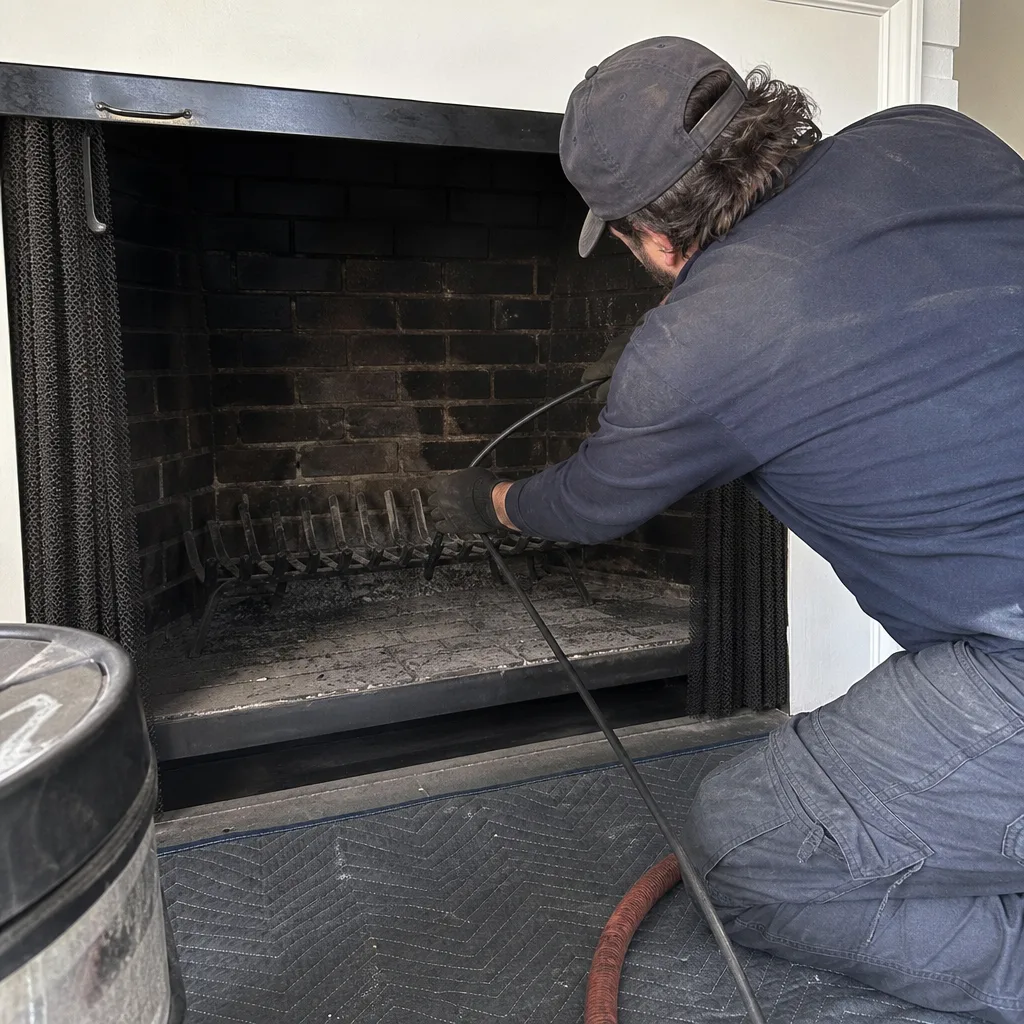 After
AfterHow to Hire a Chimney Cleaning Contractor in Evanston: A Step-by-Step Guide
Ask a sweep in Evanston whether they’re certified, and nearly every hand goes up. Ask whether they’ll hand you camera footage and a written price before the first tool touches your chimney, and more than half those hands drop. We’ve been sweeping chimneys here since 2009, and the mistake we see homeowners make isn’t picking the wrong company. It’s asking questions that let contractors hide what they’re actually going to do. This guide gives you five specific questions that separate a documented sweep from a flashlight visit, plus what a real answer sounds like versus a sales pivot. For more guides & resources, visit our blog.
Quick Answer
Hiring a chimney cleaning contractor in Evanston means finding someone who documents the work before, during, and after: camera inspection down the flue, written scope and price before any work starts, and a photo record you keep. The right contractor answers five questions clearly about inspection protocol, pricing format, deliverables, technician verification, and warranty terms. Anyone who won’t put these in writing before arriving is selling convenience, not chimney care.
Table of Contents
- Question 1: What Inspection Standard Do You Actually Follow?
- Question 2: What Will I Receive in Writing Before Work Starts?
- Question 3: What Documentation Do I Get When You’re Done?
- Question 4: Who Is Coming to My House?
- Question 5: What Happens If Something Goes Wrong?
- Evanston-Specific Considerations
- Red Flags in Evanston Contractor Behavior
- What to Ask to See After the Job
- How to Verify Work History Without Platform Reviews
- Common Mistakes to Avoid
- When to Call a Professional
- Frequently Asked Questions
- The Bottom Line
BeforeAfterQuestion 1: What Inspection Standard Do You Actually Follow?
This is where most hiring guides stop at “are you CSIA certified?” That’s the wrong question. CSIA certification is a credential. It tells you someone passed a test. It doesn’t tell you what they’ll do on your roof in January when the wind off Lake Michigan is hitting 30 knots.
The question you want answered is which inspection protocol they follow on every single visit. The relevant standard is NFPA 211, which defines three levels of inspection. Here’s what each means in practical terms:
- Level 1: Visual examination of readily accessible portions. No tools, no camera, no roof climb if conditions are poor. Appropriate only when nothing has changed with the system.
- Level 2: Camera scan of the interior flue, examination of accessible exterior components, documentation with photo or video record. Required at sale or transfer of property, after chimney fire or damage, or when any change is made to the system.
- Level 3: Demolition-level inspection when serious hazard is suspected. Rarely needed for routine hiring decisions.
A contractor who says “we do a Level 1 with a flashlight, and we’ll tell you if we see something” is following the minimum legal standard, not the protective one. In Evanston, where many homes in the Ridge Avenue corridor and near Northwestern’s campus date to the 1920s-1950s, flue liners are often original clay tile or were retrofitted decades ago with unknown materials. A flashlight can’t show you a cracked liner shoulder, a missing mortar joint in the smoke chamber, or the beginning of spalling in a terracotta flue.
The passing answer sounds like this: “We perform an NFPA 211 Level 2 inspection on every visit. That means a camera down the flue, photos of what we find, and a written report.” The failing answer sounds like: “Our techs are certified and they’ll take a look.” One names a standard with deliverables. The other names a person with good intentions.
At Emberly Chimney Cleaners Evanston, we adopted camera-scan documentation as our default in 2009, before regulators or insurers required it. That practice became Clause 4 of the Haven Standard. We’ve completed more than 38,000 chimney inspections since then, every one with a written price before work started and a documented record when finished.
Question 2: What Will I Receive in Writing Before Work Starts?
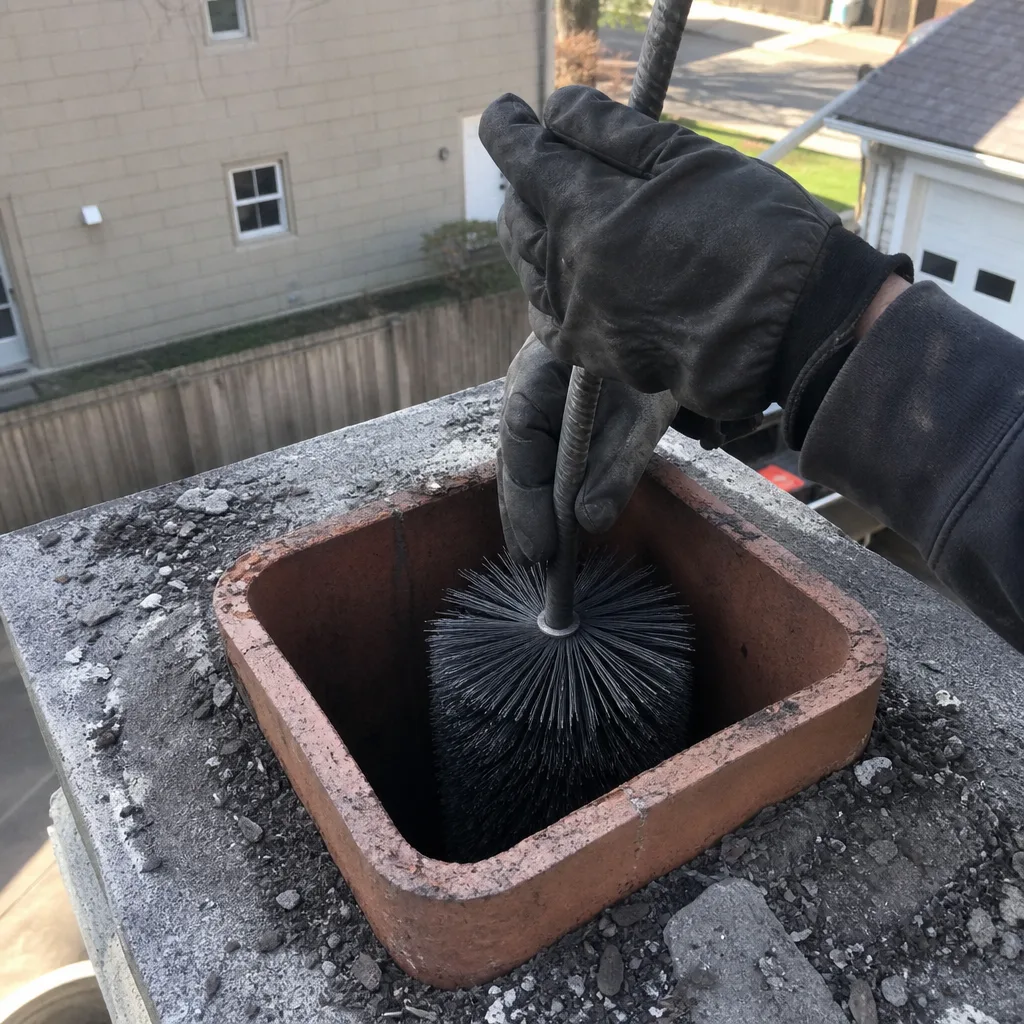
This question eliminates more contractors than any other, and it’s the one homeowners in Evanston most often forget to ask. They’re polite. They assume good faith. They don’t want to seem difficult before the relationship begins.
Here’s why that politeness costs you: without a written scope and price, you have no way to verify whether the work performed matches what was proposed. A verbal “it’ll be around three hundred” becomes “well, we found more creosote than expected” becomes a bill for $680 with no photo evidence of what changed.
The specific documents you should receive before anyone starts work:
- Written scope of work: Exactly what will be done, in what sequence, using what methods. “Chimney sweep and Level 2 inspection” is not a scope. “Remove Class I and II creosote deposits by rotary brushing, perform NFPA 211 Level 2 camera inspection of flue from firebox to crown, inspect smoke chamber, damper, and exterior masonry for spalling or water intrusion” is a scope.
- Written price: A fixed dollar amount, not a range, not “plus materials,” not “estimated.” If additional work is found during inspection, the price for that work should be quoted separately with its own written scope before proceeding.
- Written warranty or guarantee language: What is covered, for how long, and what triggers it.
The Haven Standard codifies this as Clause 1: H.A.V.E.N. “Have it in writing.” We deliver a written price, written scope, and written warranty before any work begins on every job, with no exceptions. Not after the tech is in your living room. Not after he’s already on the roof. Before.
In Evanston’s market, where contractor travel time from the city or northern suburbs gets folded into pricing in opaque ways, a written price also lets you compare actual costs rather than guess at what’s buried in a “service fee.” We’ve reviewed competitor estimates brought in for our Free Second Opinion service where the sweep price was reasonable but a $189 “trip charge” and $120 “equipment fee” only appeared on the final invoice.
The failing answer to this question: “We’ll give you a quote once we see what we’re dealing with.” That sounds reasonable. It isn’t. It means you can’t compare prices, can’t verify scope, and can’t hold anyone accountable.
Question 3: What Documentation Do I Get When You’re Done?
Most homeowners know to ask “will you clean up?” They don’t know to ask “will I have a photo record of what my chimney looked like inside?” The second question matters more, especially if you need to prove maintenance to an insurer, a home buyer, or yourself in three years when you’re trying to remember whether that crack was old or new.
The specific deliverables that indicate a documented sweep:
- Camera footage or still photos from the full length of the flue, showing liner condition, joint integrity, and any deposits remaining after cleaning
- Written inspection report noting creosote class (I, II, or III), liner material and condition, damper operation, smoke chamber condition, and exterior masonry assessment
- Invoice matching the pre-work written price unless additional work was separately authorized in writing
- Warranty document with clear terms and contact information
Clause 4 of the Haven Standard requires a photo record on every job. Not as an add-on. Not “available upon request.” Included as standard. We’ve maintained this archive since 2009, and it’s why we can tell an Evanston homeowner in the Lakeshore Historic District that yes, we swept this same chimney in 2017, here’s what the liner looked like then, here’s what it looks like now.
The failing answer: “We’ll let you know if we find anything.” Or: “The technician will tell you how it went.” Documentation you can’t see, keep, or transfer isn’t documentation. It’s a conversation.
Question 4: Who Is Coming to My House?
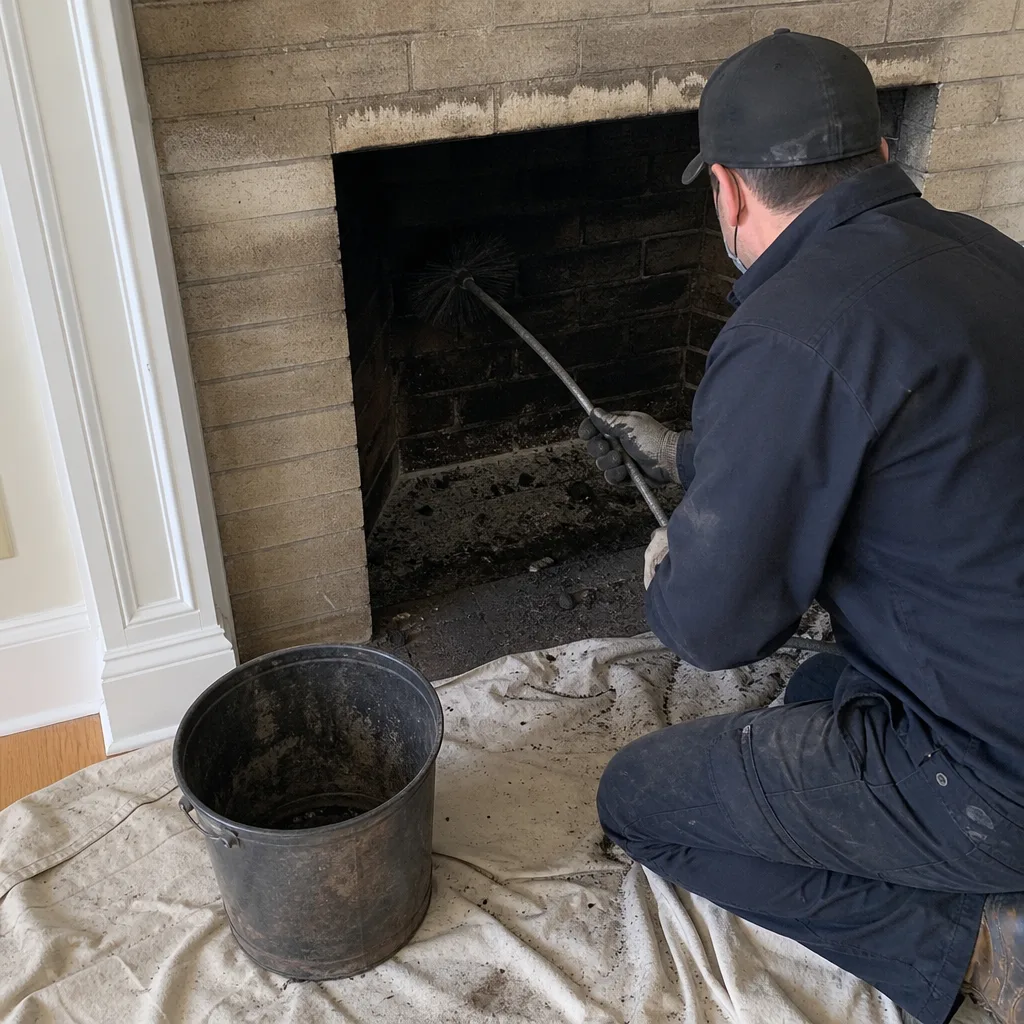
This question isn’t about personality. It’s about accountability. The contractor who answers “one of our guys” or “we’ll send a tech” is telling you they don’t know or don’t think you’ll care.
The information you should receive before arrival:
- The technician’s name
- License or certification number relevant to your jurisdiction
- Confirmation that background checks are completed and uniformed
- A text or call when they’re en route, with estimated arrival
The H.A.V.E.N. framework includes “Arrive on schedule” and “Verified crews” for exactly this reason. You should know who’s coming, when, and that they’ve been vetted. In Evanston, where many of our customers work from home or have young children, an unannounced arrival by an unnamed technician is a security concern, not a convenience.
We assign a named technician to every booking and send a text when they’re on the way. License information appears on every page of our site, and our crews are uniformed and background-checked. This isn’t exceptional service. It’s the minimum for letting someone access your roof, your attic, and your living space.
The failing answer: “Don’t worry, all our guys are great.” Or: “He’ll be there between 8 and 12.” Vague identity and four-hour windows signal a dispatch operation, not a service relationship.
Question 5: What Happens If Something Goes Wrong?
Every contractor will say they stand behind their work. Few can tell you exactly what that means in dollars, days, and procedures.
The warranty you want:
- Duration: A full year minimum on workmanship
- Trigger: Clear language on what constitutes “not done right” and how to activate the guarantee
- Remedy: Specific correction process, not “we’ll make it right” without defining how
Our 365-Day Done Right Promise is stamped on every job: if it’s not done right, we make it right. The Haven Standard requires this in writing, not as a verbal reassurance. We’ve honored it on chimney relining jobs in Evanston where a DuraFlex stainless liner settling slightly in its first winter required adjustment, and on HeatShield smoke chamber resurfacing where a hairline crack appeared at the 10-month mark. The promise exists because things sometimes need correction, not because they never do.
The failing answer: “We’ve never had a complaint.” Or: “Just call us if there’s a problem.” A warranty without written terms is a hope, not a contract.
Evanston-Specific Considerations
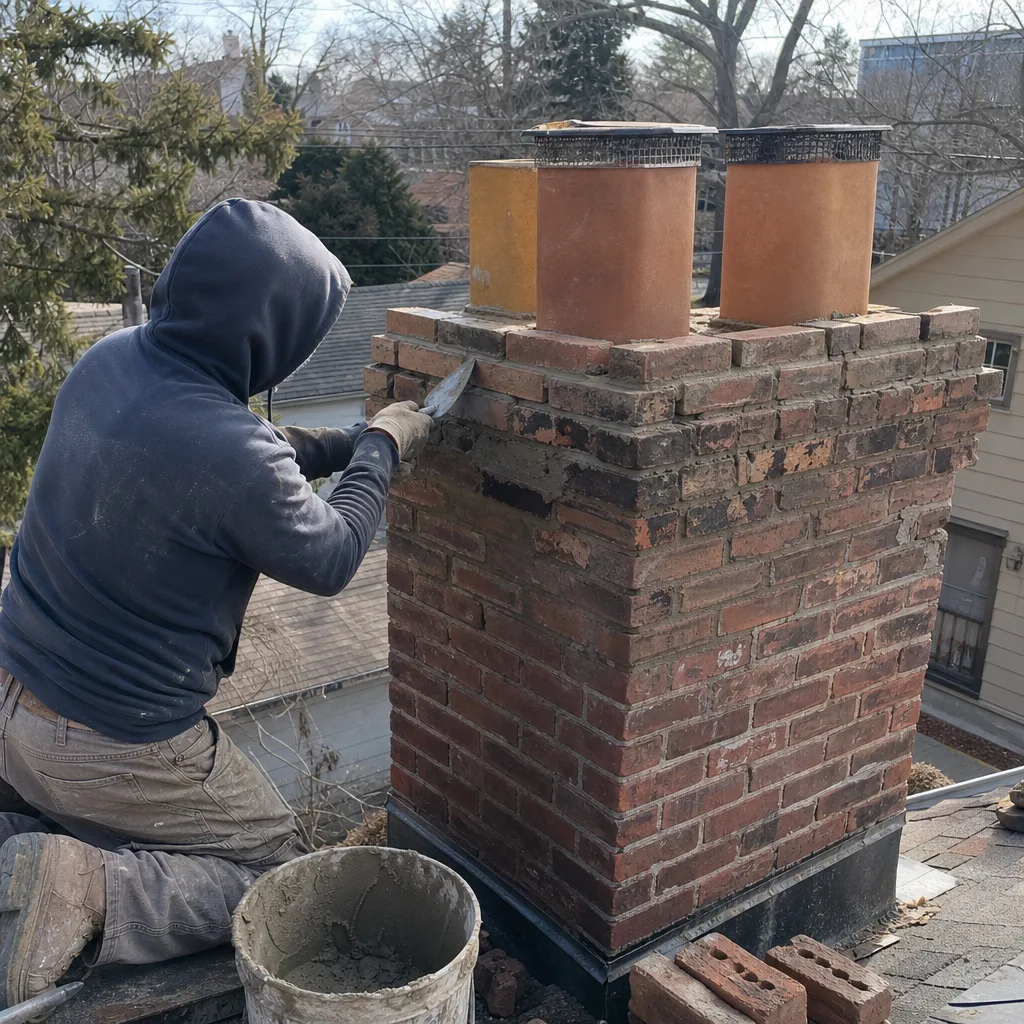
Evanston’s housing stock and climate create specific conditions that should shape what you ask and what you expect.
Older flue systems: Homes in the Central Street, Ridge Avenue, and Lakeshore Historic District areas often have unlined brick chimneys or original clay tile liners installed in the 1920s-1950s. A flashlight inspection cannot evaluate these adequately. The freeze-thaw cycle in Evanston, with lake-effect temperature swings that can hit 40 degrees in a single January day, accelerates spalling and mortar deterioration. Camera documentation shows you whether that deterioration is active or stable.
Gas conversions: Many Evanston homeowners have converted wood fireplaces to gas inserts. The venting requirements differ, and the inspection protocol should account for both the original flue condition and the gas appliance’s specific venting needs. A contractor who treats this as “just a sweep” may miss critical clearances or corrosion patterns.
Local permit awareness: While routine chimney sweeping doesn’t require permitting, liner replacement, crown rebuilds, and structural repairs may. A contractor working regularly in Evanston should know when to pull permits and when the work falls under maintenance exemptions.
Seasonal demand: Burning season in Evanston runs roughly October through March, with peak demand in September-October as homeowners prepare. Booking outside these windows often means better availability and more thorough attention, but the inspection standard should be identical year-round.
Red Flags in Evanston Contractor Behavior
Some warning signs are universal. Others appear frequently in this market.
- Phone-quoted flat rates without seeing the chimney: “It’s $199 for any chimney” means the contractor has already decided what they’ll do before knowing what you need. They’ll either do too little or find “additional problems” on arrival.
- No written scope before work starts: Verbal agreements shift under pressure. The technician is in your home, your fireplace is disassembled, and now you’re negotiating scope and price from a position of weakness.
- “We’ll check while we’re up there” upsells: This phrase nearly always precedes an unquoted repair recommendation delivered from the roof via phone. The correct sequence: inspect, document, quote separately, authorize in writing, then repair.
- Pressure to decide immediately: “I can do it today for this price, but I need to know now” creates artificial urgency. Real chimney hazards are specific and documentable. If it’s dangerous, the contractor can show you why and give you time to get a second opinion.
- No local referenceable history: A contractor with a local phone number but no verifiable Evanston work history may be routing calls to a dispatch center and subcontracting to unvetted technicians.
- Refusal to provide previous documentation examples: A contractor who performs documented work should be able to show you (with identifying information redacted) what a completed report looks like. Refusal suggests they don’t produce them.
What to Ask to See After the Job
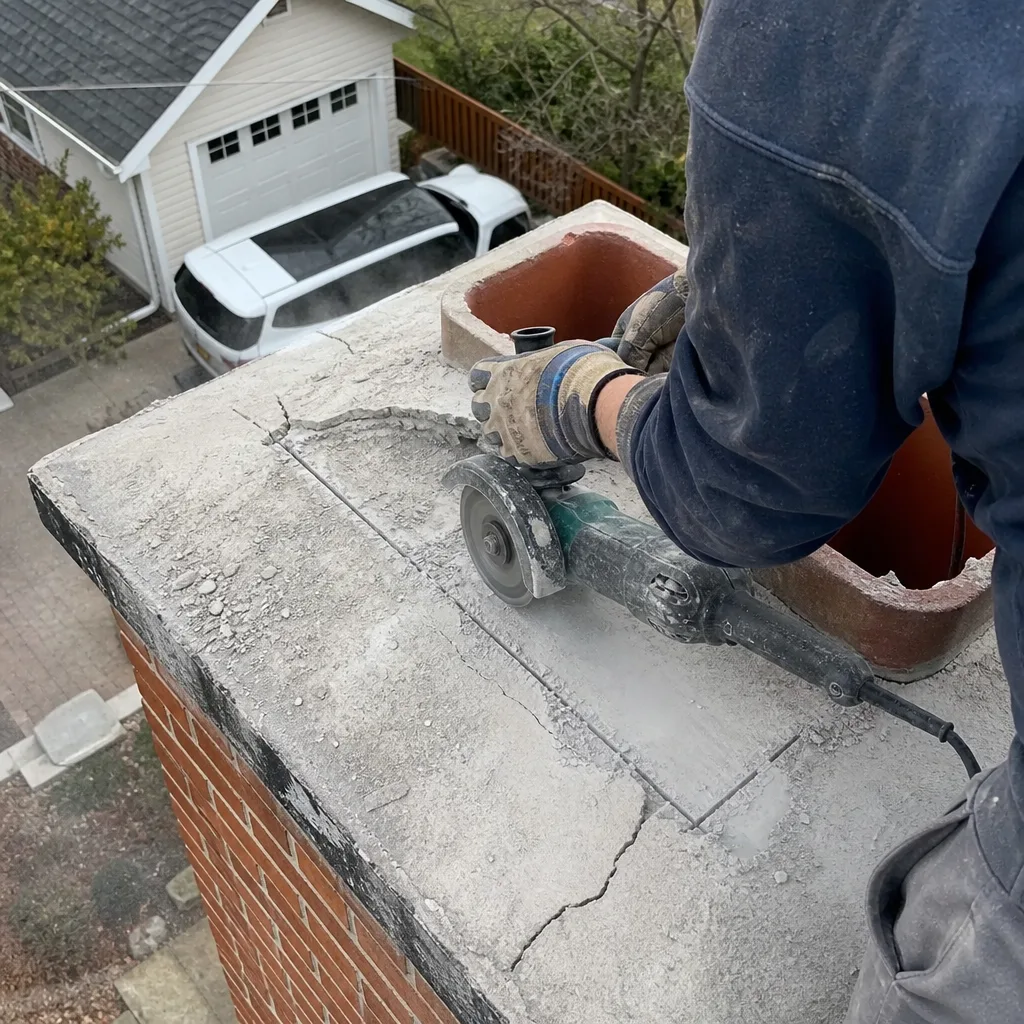
The hiring process doesn’t end when the truck leaves. Verification happens when you review what you received against what was promised.
Checklist for your post-visit review:
- Does the invoice match the pre-work written price exactly? If not, is there a separate written authorization for additional work?
- Do you have camera footage or clear photos from inside the flue, showing the full length from firebox to crown?
- Does the inspection report name specific conditions (liner material, creosote class, damper type and operation) or only generic “chimney is okay” language?
- Is there a warranty document with clear terms, duration, and contact method?
- Did the technician review findings with you in person, or were you handed a receipt and left to interpret it?
At Chimney Cleaning & Sweep in Evanston, our technicians walk customers through the photo record before packing tools. You should understand what you paid for and what, if anything, needs attention before next season. Documentation you can’t interpret isn’t much better than no documentation.
How to Verify Work History Without Platform Reviews
Platform reviews show customer sentiment. They don’t show documentation quality, inspection thoroughness, or whether the “five-star” sweep was a flashlight visit or a camera scan. Here’s how to verify actual work history in Evanston:
Ask for local reference addresses. Not customer contact information, which raises privacy concerns, but street names or neighborhood references where work was performed. A contractor working regularly in Evanston should be able to mention specific areas: the brick chimney rebuild we did on Judson Avenue, the liner replacement in the Dewey Avenue corridor, the crown pour near Lighthouse Beach. Vague “all over the North Shore” answers suggest limited actual local presence.
Request a sample report. With address and customer information redacted, a documented contractor should be able to show you what their deliverable looks like. The format, detail level, and photo quality tell you more than a star rating.
Check permit history. For larger jobs (liner replacement, structural repair), contractors working in Evanston should have pulled permits visible in city records. This is public information and verifiable.
Ask about material sourcing. Contractors using quality materials from Famco, Copperfield, DuraFlex, or HeatShield through established buying networks can typically name their suppliers. Those using generic or unbranded materials often can’t or won’t.
We’ve sourced materials through our Haven buying network since 2009 specifically to keep customer prices honest and traceable. The materials in your chimney should have names you can look up.
Common Mistakes to Avoid
- Asking only about certification, not protocol. CSIA certification is a starting point. NFPA 211 Level 2 compliance on every visit is what protects your specific chimney.
- Accepting verbal quotes. In Evanston’s competitive market, verbal quotes often exclude fees that appear only on the final invoice. Written price before work starts is non-negotiable.
- Booking based on lowest price alone. A $149 sweep with no camera inspection and no documentation may cost less than a documented Level 2 inspection, but it provides no verifiable information about your chimney’s condition. You’re paying for information, not just soot removal.
- Not asking about creosote class. Different creosote deposits (Class I fluffy soot, Class II granular, Class III glazed) require different removal methods. A contractor who doesn’t classify what they found isn’t documenting the work.
- Skipping the post-job review. File your documentation where you’ll find it. Chimney conditions change slowly, and comparison over time is how you catch problems before they become emergencies.
- Assuming all “inspections” are equal. The word appears on every website. The practice ranges from a flashlight glance to a documented camera scan. Ask specifically.
When to Call a Professional
Call a chimney professional when you notice any of the following: visible creosote buildup thicker than 1/8 inch, smoke entering the room during fireplace use, a persistent odor from the fireplace in warm weather, white staining (efflorescence) on exterior brick, or any change in draft performance. After a chimney fire, even a small one, a Level 2 inspection is required before further use.
Carbon monoxide risk is real but not a reason to panic-sell. A properly functioning chimney vents combustion gases safely. A blocked or deteriorated flue doesn’t. The difference is documentable with a camera inspection, not guessable from the sidewalk.
Chimney Repair in Evanston and Fireplace Services in Evanston from Emberly Chimney Cleaners Evanston include documented inspection as standard on every visit. We offer free estimates in Evanston. Call (708) 234-1174.
Frequently Asked Questions
A documented chimney sweep with NFPA 211 Level 2 camera inspection in Evanston typically ranges from $250 to $450, depending on chimney height, accessibility, and creosote condition. See our Chimney Cleaning Cost Breakdown: The Evanston Homeowner’s Reference for 2026 for full pricing factors. Basic sweeps without camera documentation may cost less but provide no verifiable record of flue condition. Call (708) 234-1174 for an exact quote - estimates are free.
The National Fire Protection Association recommends annual inspection, with cleaning frequency determined by use and fuel type. In Evanston, where many homeowners burn intermittently during the heating season, an annual Level 2 inspection with cleaning as needed is the standard we apply. Heavy use of unseasoned wood, which is common when homeowners buy cordwood late in the season, can require more frequent cleaning due to accelerated creosote buildup.
You should never accept a liner replacement recommendation without camera documentation you can see for yourself. A damaged liner (cracked tile, spalling mortar, or corrosion in stainless steel) is a legitimate safety concern because it can allow heat transfer to combustible framing or carbon monoxide leakage. But the condition should be visible in the photo record, not described from memory. At Emberly Chimney Cleaners Evanston, we show you the camera footage and explain what you’re seeing before quoting any liner work. Our Free Second Opinion service will review any competitor’s written estimate.
Skipped maintenance leads to progressive creosote accumulation, which increases chimney fire risk and can restrict draft enough to cause carbon monoxide backup into living spaces. In Evanston’s older housing stock, deferred maintenance also allows water intrusion through deteriorated crowns or flashing, which damages interior masonry and adjacent framing. The cost of remediation rises steeply: a $300 annual inspection and sweep prevents $3,000-$8,000 in liner or masonry repairs. Call (708) 234-1174 to schedule before burning season.
A sweep removes combustible deposits from the flue and firebox. An inspection evaluates the system’s condition, including liner integrity, masonry, clearances, and appliance connection. In practice, they should happen together: you can’t properly inspect a dirty chimney, and sweeping without inspection misses deteriorating conditions. Our Chimney Cleaning & Sweep in Evanston includes Level 2 inspection as standard, not as a separate add-on.
DIY chimney sweeping is possible for simple Class I creosote in accessible systems, but it carries significant limitations. Without a camera, you cannot inspect the full flue length or evaluate liner condition. Without training, you may miss critical clearance violations or deteriorating masonry. And without documentation, you have no record for insurance or resale purposes. For most Evanston homeowners, especially those with pre-1960 chimneys or gas conversions, professional inspection provides information that justifies its cost. We do not recommend DIY approaches for Class II or III creosote, which requires specialized rotary equipment, or for any system showing draft problems or visible damage.
The Bottom Line
Hiring a chimney contractor in Evanston comes down to documentation: what you get before work starts, what you see during the visit, and what you keep when it’s done. The five questions in this guide - about inspection standard, written pricing, post-job documentation, technician verification, and warranty terms - separate contractors who can prove their work from those who ask you to trust it. Ask them. Anyone who resists putting answers in writing has already told you what kind of sweep you’ll receive.
Written by Corrine Halstead, Owner at Emberly Chimney Cleaners Evanston, serving Evanston since 2009.