
Last updated September 22, 2026
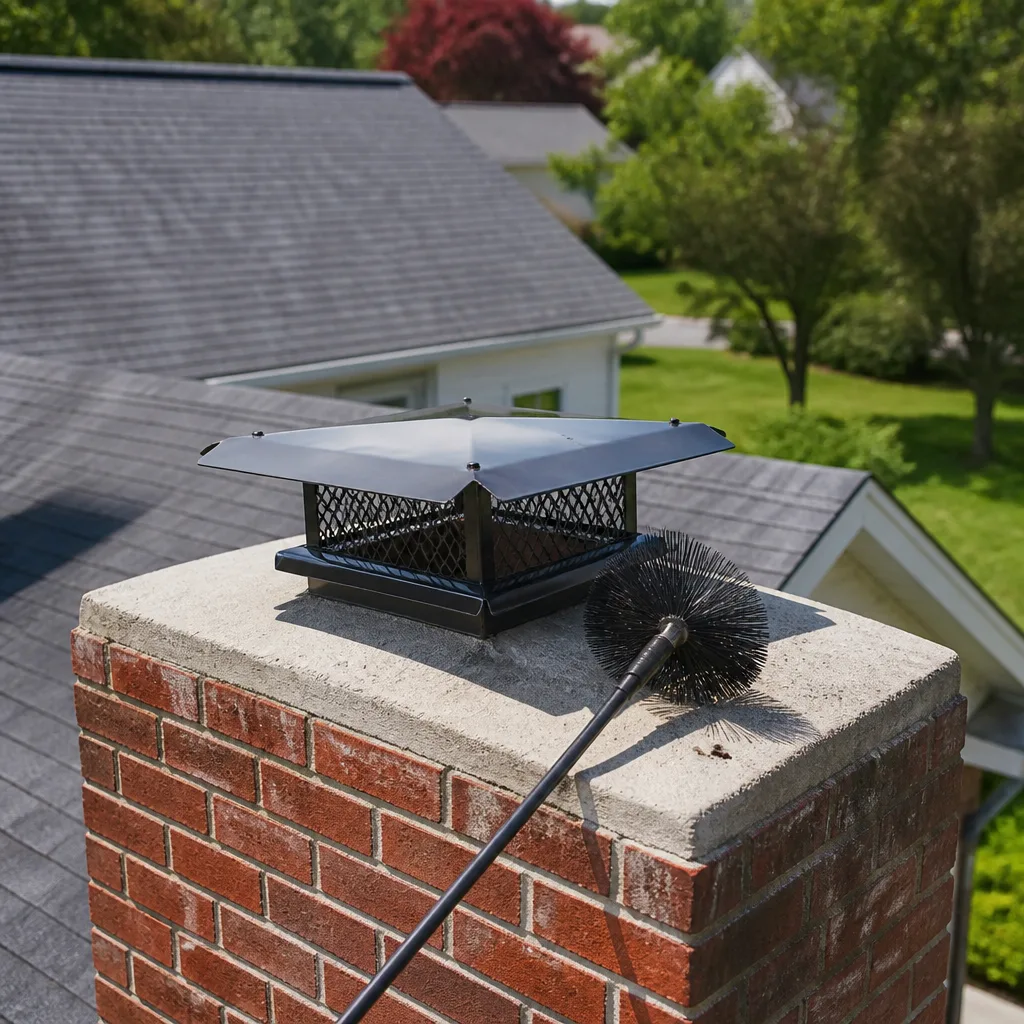
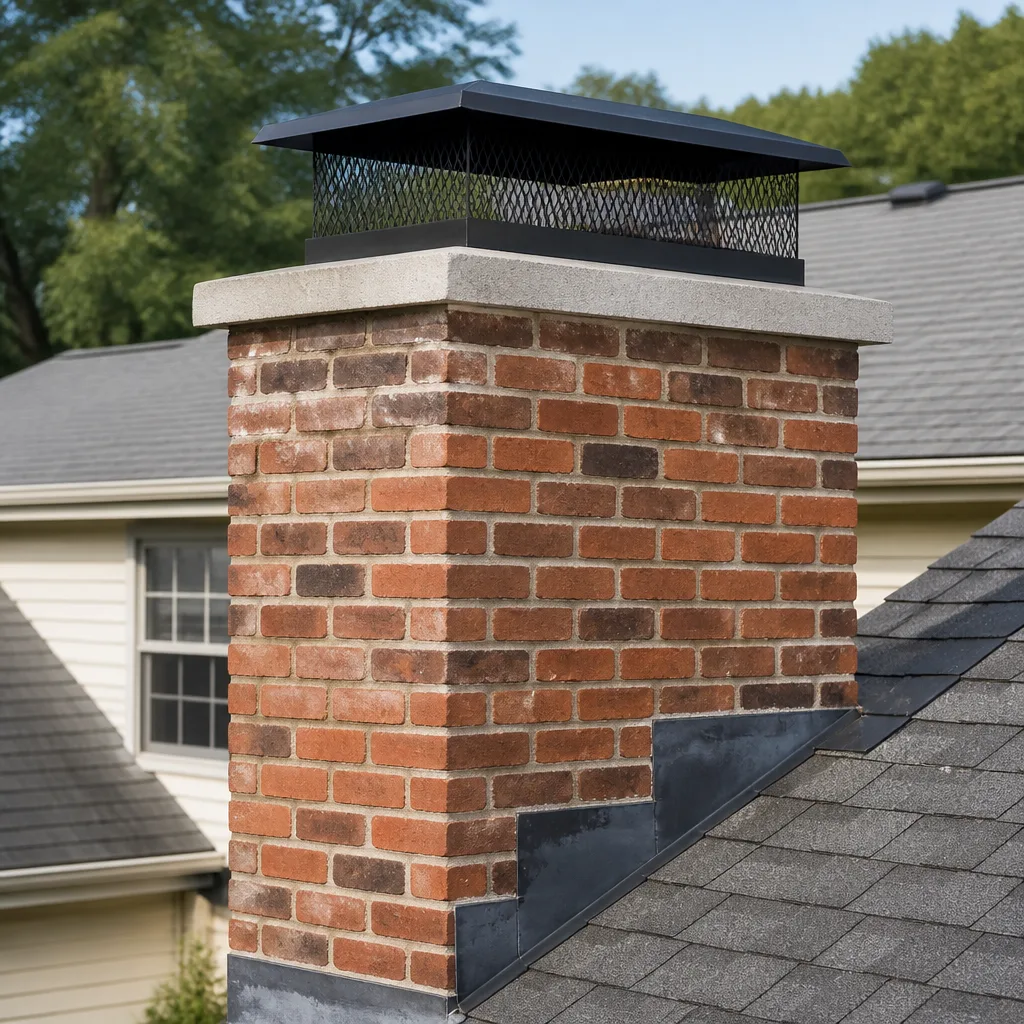
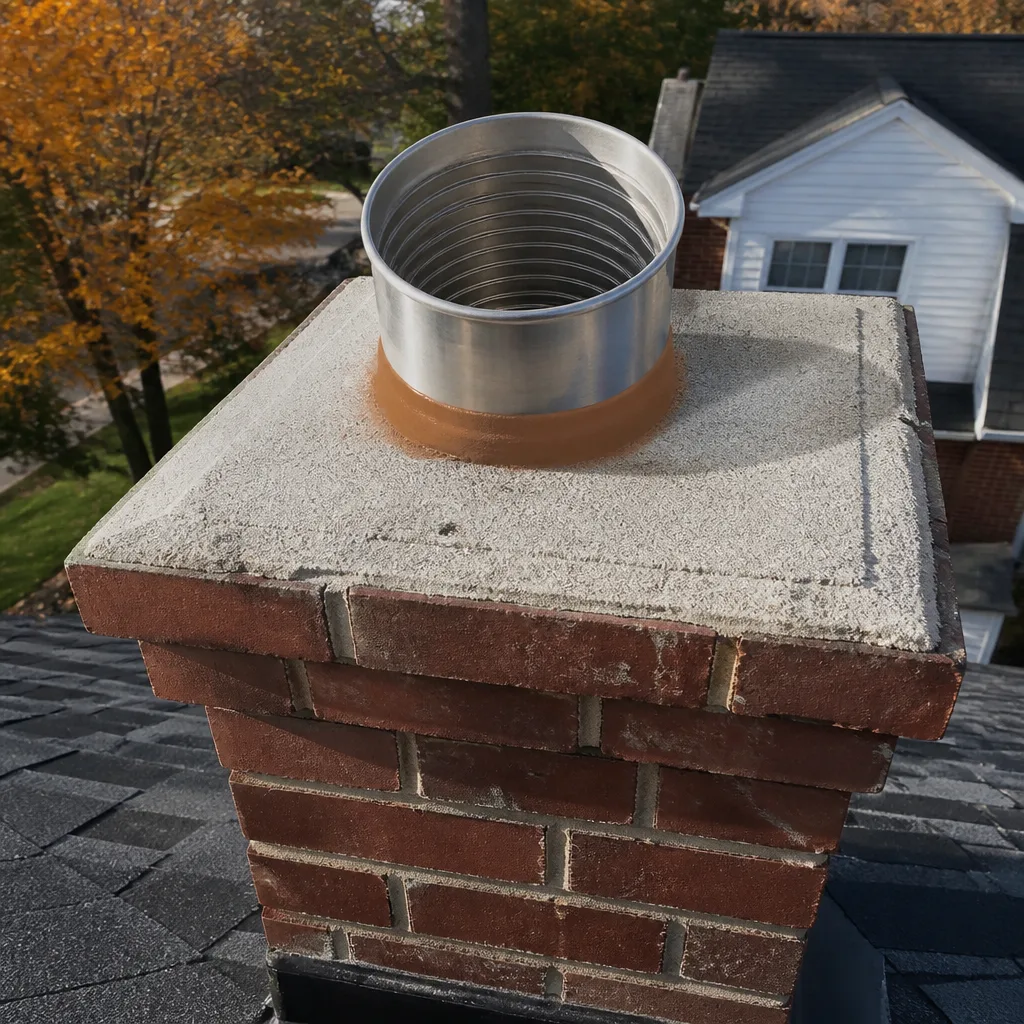
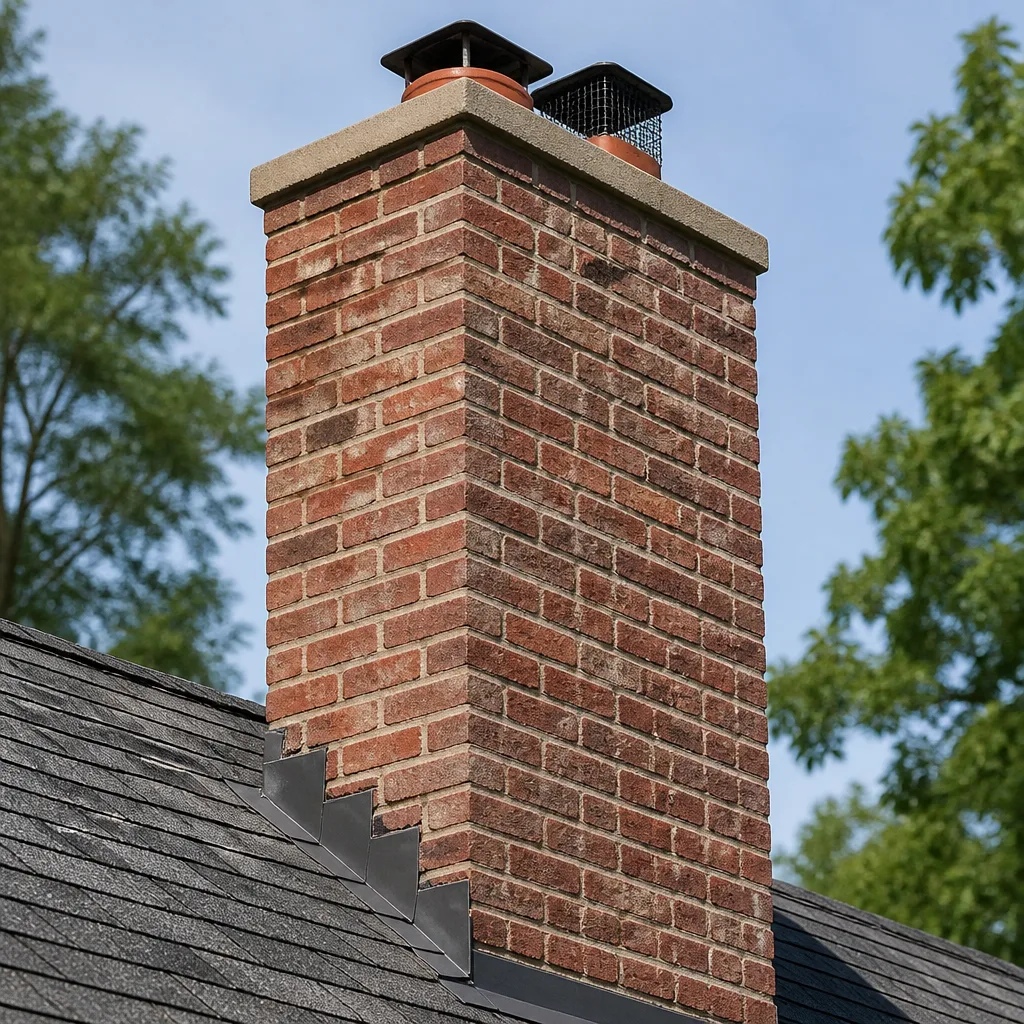
Level 1 sweep and inspection to the NFPA 211 annual standard - flue, crown, cap, and flashing checked and photographed
Chimney sweep logs do not sweep chimneys. They loosen some creosote - which then falls where a brush and vacuum still have to collect it.
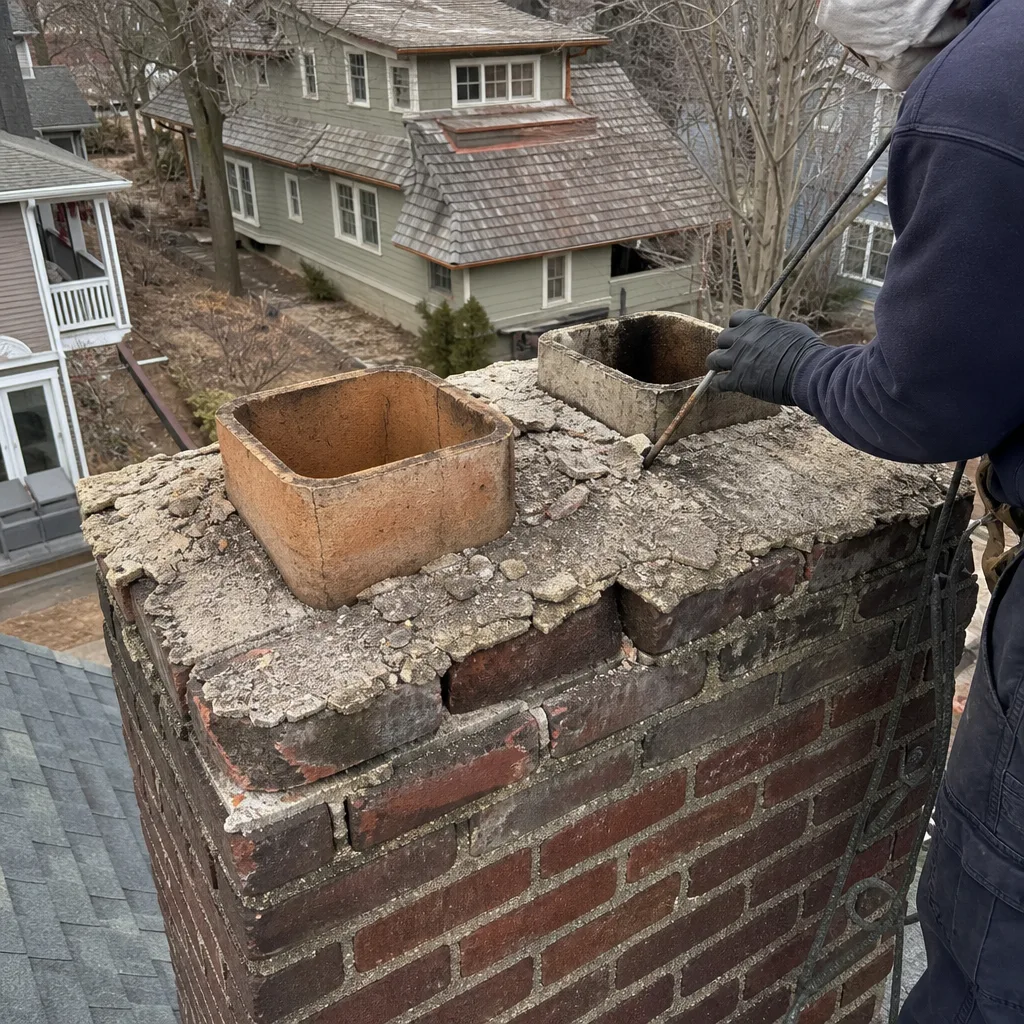 Before
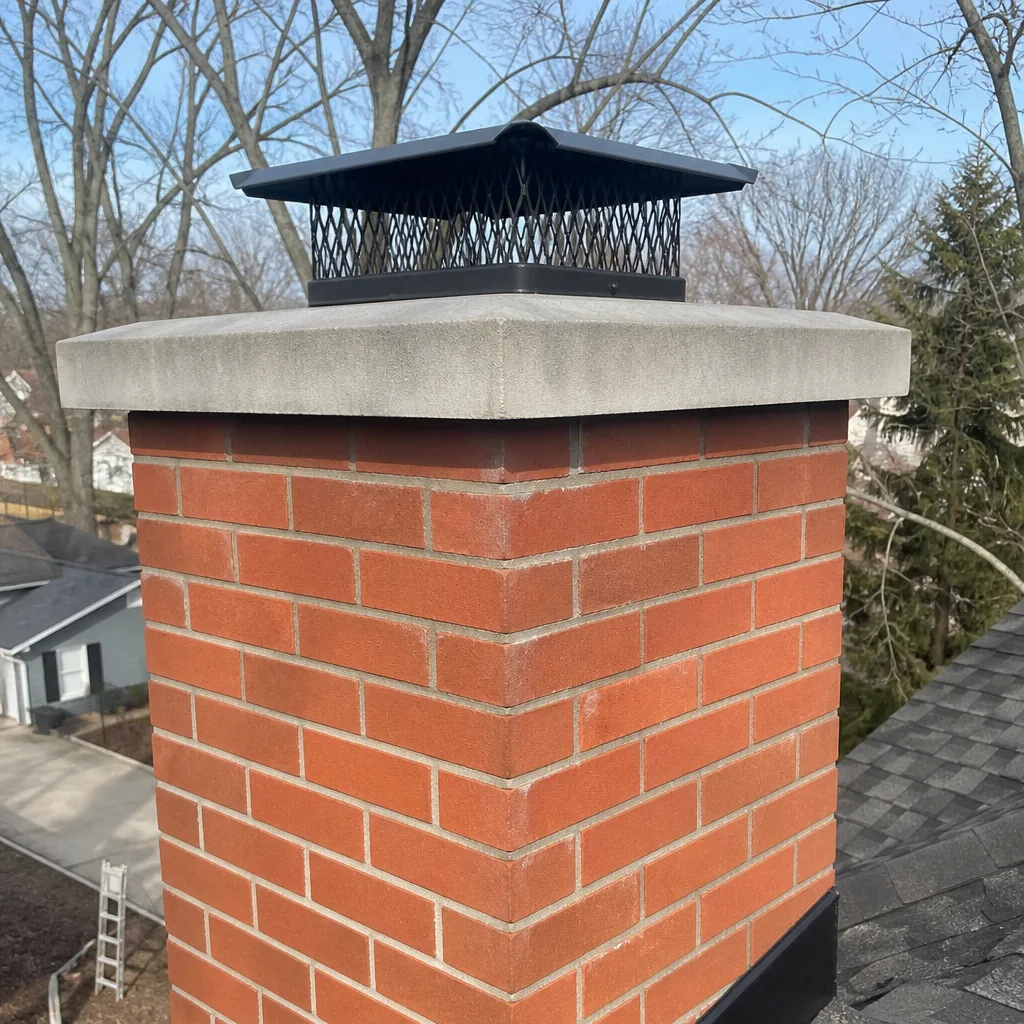 After
After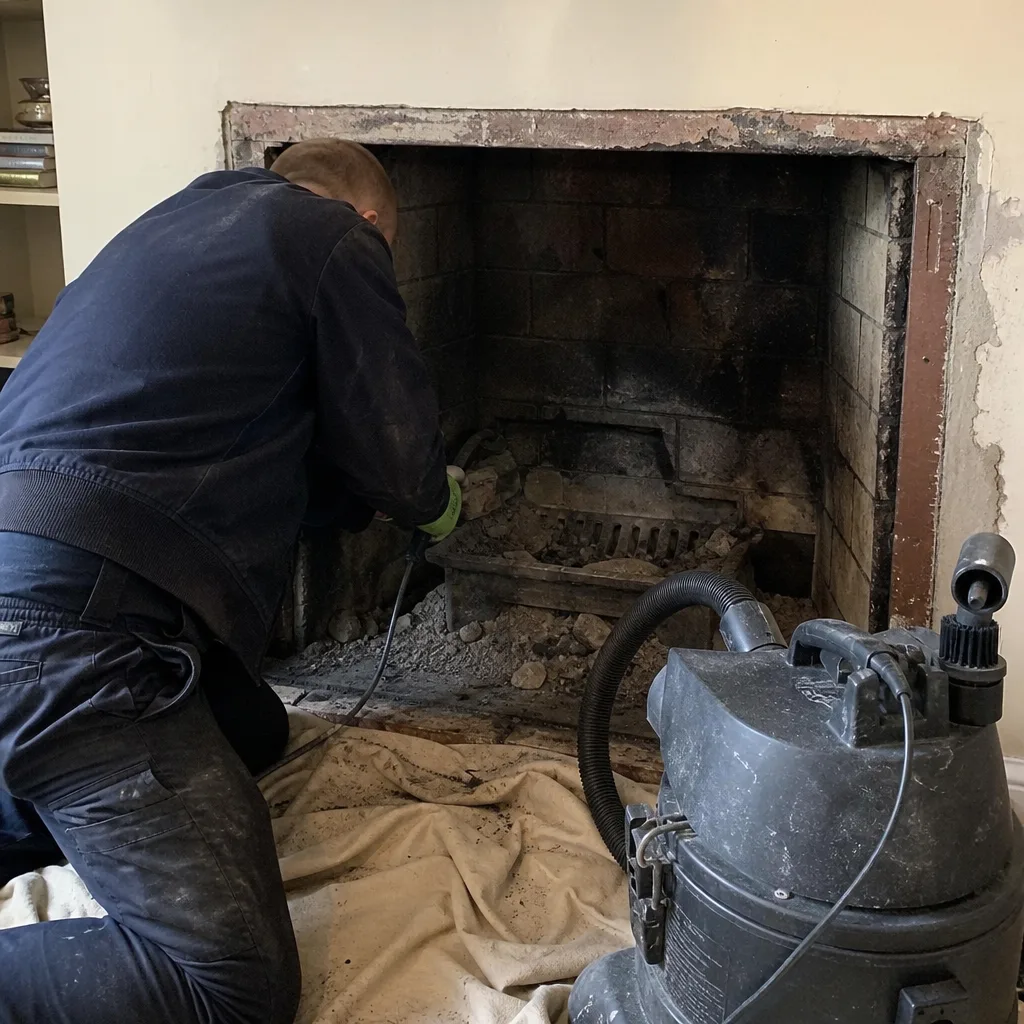 Before
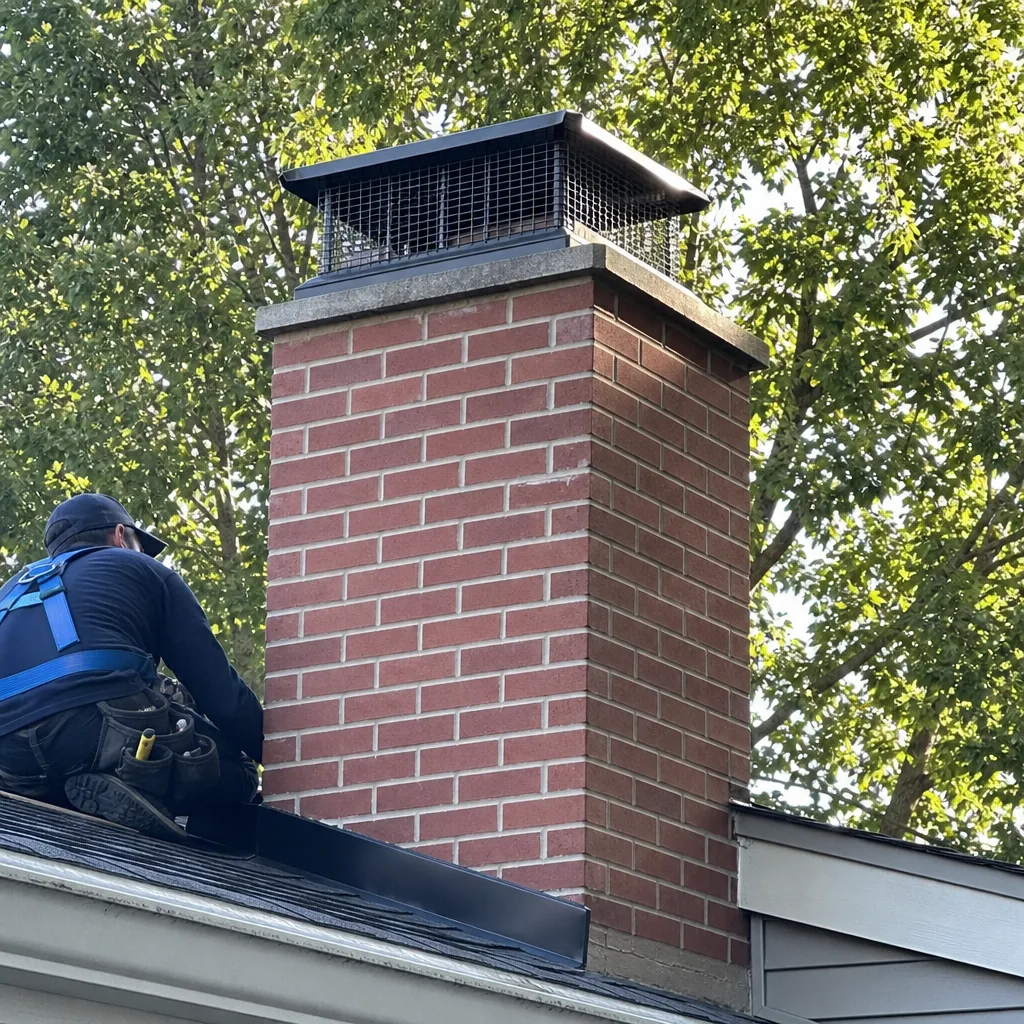 After
After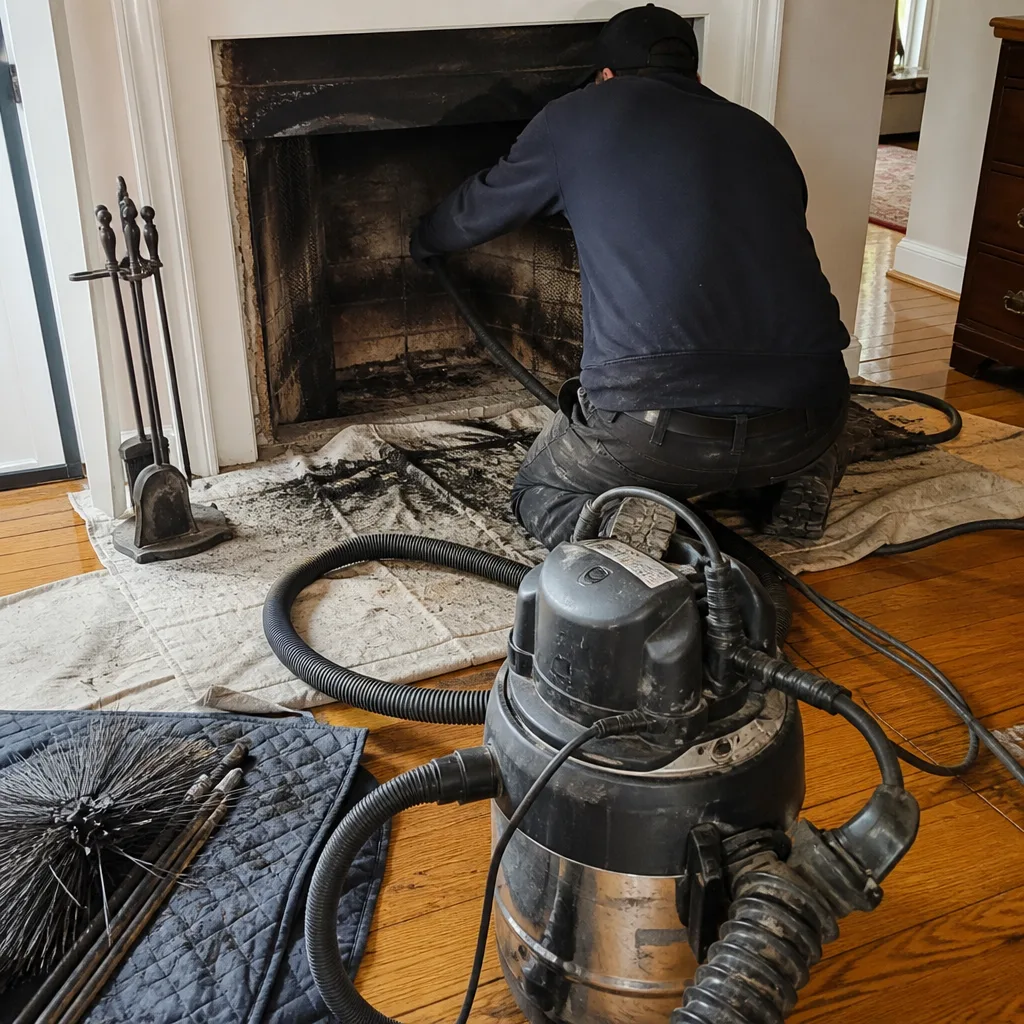 Before
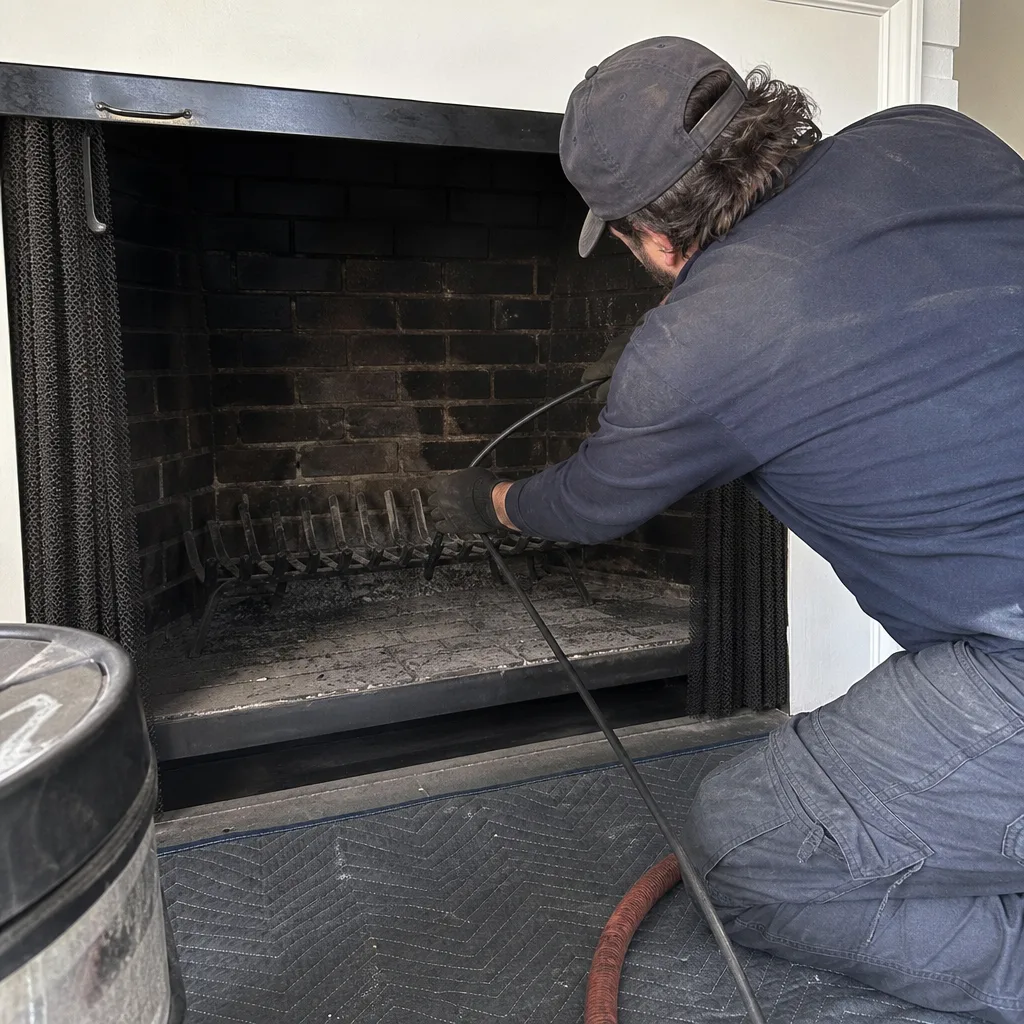 After
AfterSeasonal Chimney Cleaning Care for Evanston: Year-Round Homeowner’s Guide
Most chimney guides tell Evanston homeowners to schedule their sweep in early fall, before the first fire. Here’s the problem: that advice was written for climates where summer dries masonry thoroughly. In Evanston, lake-effect humidity keeps flue walls damp well into October, and freeze-thaw cycles can start by late November. Cleaning a damp chimney masks creosote stage, hides liner cracks, and produces a false baseline that follows you all winter. In this guide and our Chimney Cleaning & Sweep Maintenance Checklist for Evanston Homeowners, you’ll learn the four actual risk windows for Evanston chimneys, why the standard annual schedule fails here, and how to time inspections so your documentation means something when you need it.
Quick Answer
For Evanston homeowners, the optimal chimney cleaning window runs from late September through mid-October, after lake-effect humidity has dropped but before consistent hard freezes begin. A full NFPA 211 Level 2 inspection with camera scan should happen in late August if the chimney was used the previous winter, or in early September for newly purchased homes. Summer inspections catch moisture damage and animal intrusion that autumn-only schedules miss entirely.
Table of Contents
- Why Evanston’s Lakefront Climate Breaks the Standard Chimney Calendar
- Evanston’s Four Chimney Risk Windows (Defined by Weather, Not Quarters)
- Summer Moisture Accumulation: Why the Off-Season Isn’t Low-Risk
- The Correct Cleaning Window for Evanston
- Freeze-Thaw Mortar Joint Failure: Timing Your Exterior Check
- What to Document at Each Seasonal Check
- Common Mistakes to Avoid
- When to Call a Professional
- Frequently Asked Questions
- The Bottom Line
BeforeAfterWhy Evanston’s Lakefront Climate Breaks the Standard Chimney Calendar
National fire safety organizations publish maintenance calendars built on continental climate assumptions: hot dry summers, cold dry winters, and a crisp autumn transition. Evanston sits at 42 degrees north on the southwest shore of Lake Michigan, and that position creates a microclimate that contradicts every one of those assumptions.
Lake Michigan’s thermal mass keeps Evanston’s air more humid than inland Chicago through September and often into early October. Relative humidity in 60201 and 60202 zip codes regularly sits above 75% on summer mornings, and afternoon lake breezes prevent the deep drying that masonry needs. A flue liner in a chimney that vented all winter absorbs that moisture through the summer, and without sustained dry heat, it doesn’t release it.
Then the transition compresses. While southern Illinois might see gradual cooling from September through November, Evanston can experience 60-degree temperature swings in a single week once Arctic air masses meet lake-warmed air. The first hard freeze often arrives in late October or early November, sometimes before the humidity has fully cleared.
This matters because creosote assessment, liner evaluation, and mortar condition checks all require dry surfaces. A chimney sweep performed on damp masonry can:
- Miss Class III creosote (glazed, hardened deposits) that reads as Class II when wet
- Fail to reveal hairline cracks in clay tile liners that open when the flue dries and heats
- Produce a photo record that looks acceptable in October but proves misleading by January
We’ve seen this in Evanston’s Central Street corridor and in the brick bungalows near Dempster Street: homeowners who cleaned in November, lit their first fire in December, and called us in February with drafting problems that trace back to a damp-baseline inspection. The camera record from autumn looked clean. The camera record from February, with the flue fully cycled through heating and drying, told a different story.
The standard advice isn’t wrong everywhere. It’s wrong here.
Evanston’s Four Chimney Risk Windows (Defined by Weather, Not Quarters)
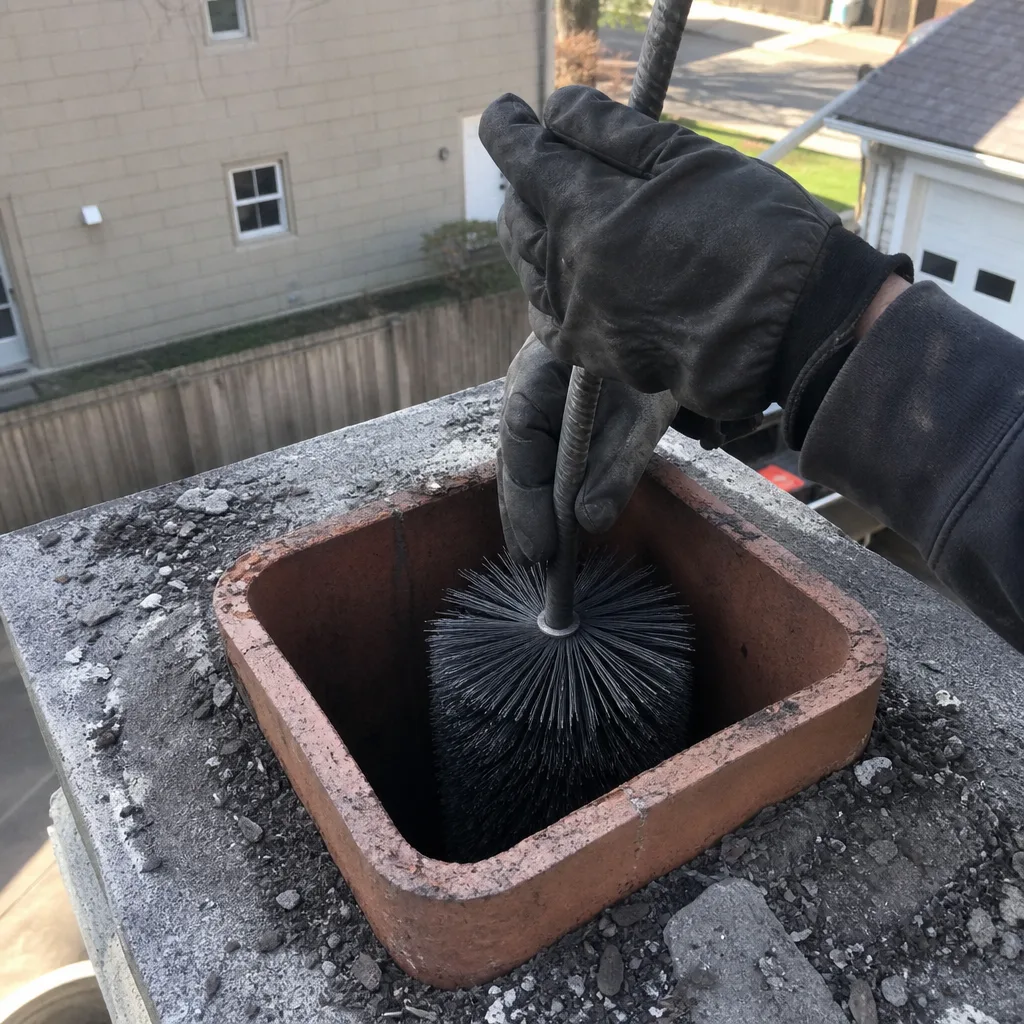
Rather than calendar quarters, we track four risk windows specific to Evanston’s weather pattern. Each has distinct maintenance implications.
Window One: High Humidity / Low Use (May through August)
Temperatures range from 50°F to 85°F. Humidity stays elevated, especially within two miles of the lake. Chimneys receive no drying heat from use, and summer storms drive water down uncapped flues. Animal intrusion peaks: squirrels, raccoons, and chimney swifts establish nests in inactive chimneys.
Action: Exterior visual inspection for cap and crown integrity; interior check only if animals are suspected or if the chimney was heavily used the previous winter.
Window Two: Transition / Drying (Late August through Mid-October)
Humidity drops as lake surface temperatures cool. Daytime highs still reach 70°F, providing natural drying. Hard freezes are infrequent. This is the narrow maintenance window-one we detail in our Chimney Cleaning Cost Breakdown: The Evanston Homeowner’s Reference for 2026-when masonry is dry enough to inspect accurately but not yet stressed by freeze-thaw cycling.
Action: Full NFPA 211 Level 2 inspection with camera scan; cleaning if creosote exceeds 1/8 inch; documentation of liner condition, crown state, and exterior mortar joints.
Window Three: Freeze-Thaw / Heavy Use (Late October through March)
Consistent heating season. Temperatures cycle above and below freezing repeatedly, especially in November, March, and during January thaws. Masonry expands and contracts. Creosote accumulates. Ice dams on roofs can redirect water toward chimney flashings.
Action: Monitor draft and performance; schedule no inspections unless problems arise. Any mid-winter inspection is diagnostic, not baseline.
Window Four: Thaw / Assessment (April through Early May)
Snowmelt and spring rain saturate masonry. Freeze-thaw damage from winter becomes visible as spalling (flaking surface mortar) and displaced flashing. This is the damage-documentation window, not the repair window; most exterior work needs drier conditions.
Action: Exterior walk-around to photograph and note winter damage; schedule repairs for late May or June when drying permits.
These windows shift slightly year to year. A cool, wet August pushes Window Two into late September. An early Arctic blast in October compresses it further. The key is watching humidity and temperature, not the calendar.
Summer Moisture Accumulation: Why the Off-Season Isn’t Low-Risk
The conventional view treats summer as chimney downtime. For Evanston, that’s a mistake.
Chimneys that vented gas or wood all winter enter May with liners and smoke chambers coated in combustion residue. That residue is hygroscopic, meaning it attracts and holds moisture. In a dry climate, summer heat would bake this residue into a brittle, easily removable layer. In Evanston’s humid summer, it stays pliable and acidic, slowly degrading metal liners and attacking mortar joints.
We’ve documented this with our camera records. A stainless steel DuraFlex liner inspected in May might show light surface rust at connection points. The same liner in August, after three months of humid dormancy, can show pitting that wasn’t visible earlier. Clay tile liners develop efflorescence (white mineral deposits) as moisture wicks through and evaporates, leaving salt crystals that expand and crack the tile face.
Summer also brings the highest animal intrusion rate. Chimney swifts, protected under federal law, nest in uncapped flues from May through August. Their nests are cemented to liner walls with saliva and cannot be removed without destroying the nest. If swifts are present, cleaning must wait until they migrate in September. A late-August inspection identifies the problem before it becomes a legal delay.
And summer storms in Evanston have changed character. The 2011 and 2020 derechos, plus increasingly frequent microbursts, have driven water past deteriorated crowns and into flues at volumes that older chimney designs weren’t built to handle. A chimney that survived twenty previous summers can fail in the twenty-first if crown cracks have widened.
What a late-August inspection finds that a November one misses:
- Active moisture paths: Water trails are still fresh and traceable to their source (crown, flashing, or mortar joint). By November, these may have dried and been obscured by new creosote.
- Animal occupation: Nests, droppings, and entry damage are current and documentable. Swift nests in particular must be identified before legal protection begins.
- Summer degradation rate: Comparing a May photo to an August photo of the same liner section shows how quickly moisture is working. A single autumn photo cannot establish this rate.
- Cap and crown integrity after thermal stress: Summer sun heats crown concrete to 140°F or more; sudden rain cools it rapidly. Hairline cracks from this thermal shock are visible in August, often sealed by debris or moisture by November.
For homeowners in Evanston’s lake-adjacent neighborhoods, where humidity peaks highest, we recommend considering the August inspection as standard, not optional. The cost of a Level 2 inspection is modest compared to the information it yields.
The Correct Cleaning Window for Evanston
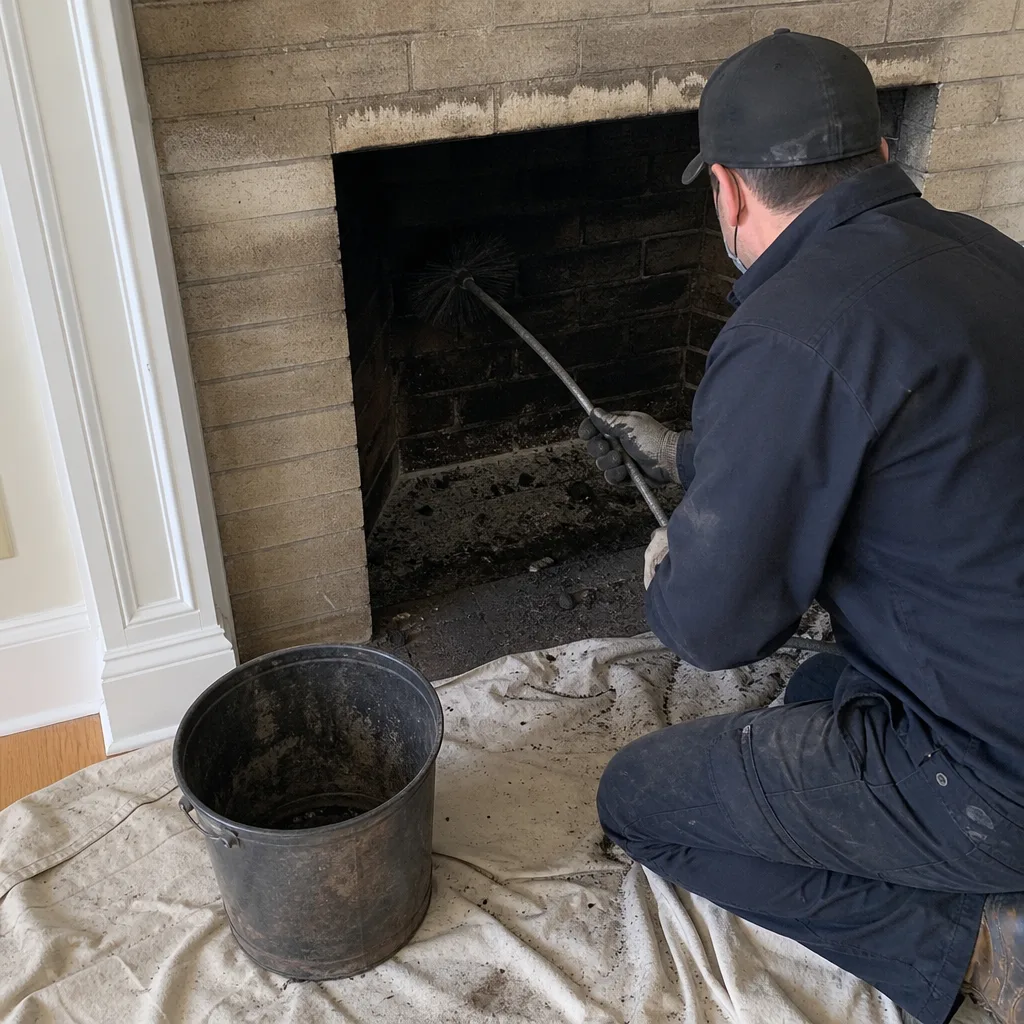
Based on the risk windows above, the optimal cleaning and inspection schedule for Evanston homeowners runs:
| Homeowner Situation | Recommended Timing | Scope |
|---|---|---|
| Regular wood-burning use (3+ fires/week in winter) | Late August inspection; cleaning in late September if needed | NFPA 211 Level 2 with camera; sweep if creosote >1/8″ |
| Occasional wood-burning (1-2 fires/week) | Mid-September inspection and cleaning | Level 2 with camera; sweep as indicated |
| Gas fireplace only | Early September inspection; cleaning every 2-3 years unless debris detected | Level 2 with camera; sweep if venting debris present |
| New home purchase | Within 30 days of closing, regardless of season | Level 2 with camera; full documentation for insurance |
| Post-repair or new liner installation | First inspection 6 months after, then annually in Window Two | Level 2 with camera; compare to post-installation baseline |
The critical constraint is moisture dryout. We want the flue liner surface reading below 15% moisture content on a pin-type meter before we declare the inspection baseline valid. In Evanston, that typically requires three consecutive days with humidity below 60% and temperatures above 65°F. Those conditions become reliable in mid-September most years, though 2023 saw them arrive in late August and 2018 delayed them until October 1.
For homeowners in neighborhoods like Dewey and Ridge, slightly inland and with more tree cover that traps humidity, we add a week to these recommendations. For lakefront properties on Sheridan Road, where morning fog is routine through September, we may need to inspect in dry afternoon conditions or schedule slightly later.
The cleaning itself, when needed, should follow inspection within two weeks. Delaying into November risks freeze-thaw damage to damp masonry during the sweep process, and creosote removal tools can chip cold-brittle clay tile. We’ve used HeatShield resurfacing products and Gelco cap systems in Evanston installations where timing was critical (permit requirements are covered in our Chimney Cleaning Permits, Codes & Inspections in IL: What You Need to Know); both perform best when applied to surfaces that have dried thoroughly.
Documentation from this window becomes your comparison baseline. The photo record from a properly timed September inspection is what we compare against when you call with a mid-winter concern. Without it, we’re guessing.
Freeze-Thaw Mortar Joint Failure: Timing Your Exterior Check
Spalling, the flaking and crumbling of brick faces and mortar joints, is Evanston’s most visible chimney pathology. It progresses through predictable stages, and timing your observation matters.
The mechanism is simple: water enters mortar joints through capillary action or crown cracks. When temperatures drop below 32°F, water expands by about 9% as it freezes. The pressure exceeds mortar’s tensile strength, and the surface crumbles. Repeated cycles widen the damage exponentially, not linearly. A joint that loses 1/32 inch per cycle in a winter with 50 freeze-thaw events can fail completely by spring.
Evanston’s position intensifies this. Lake-effect snow is wetter than continental snow, so masonry absorbs more moisture before freezing. January thaws, increasingly common, create mid-winter freeze-thaw events that inland locations don’t experience. And the temperature range is narrow: many winter days hover near 32°F, cycling above and below repeatedly in 24 hours.
When to look:
- Late October: First check, before heating season. Document mortar joint condition with dated photos from ground level and roof edge if safely accessible. Look for hairline cracks, slight surface roughness, and any white efflorescence. This is your pre-winter baseline.
- Late March: Post-winter assessment. Compare to October photos. New spalling will appear as fresh, light-colored mortar or brick surface where the darker weathered face has flaked away. Joint erosion of more than 1/4 inch depth indicates active failure requiring repair before the next cycle.
- After significant ice events: The 2021 February freeze and similar events cause concentrated damage. Inspect within two weeks of thaw, looking for new cracks radiating from the crown and displaced flashing.
What to document:
- Crown condition: hairline cracks, ponding, or separation from flue tile
- Flashing integrity: gaps, lifted edges, or rust streaks on brick below
- Mortar joint depth: use a flathead screwdriver to probe gently; note where mortar is soft or missing
- Brick face condition: spalling depth, location, and whether it correlates with joint failure above
Exterior repairs in Evanston should be scheduled for late May through June, when masonry has dried but before summer heat makes mortar curing difficult. Tuckpointing (grinding out failed joints and repacking with matching mortar) requires three to five days of drying weather after completion. July and August can work but may require mist-curing to prevent rapid drying.
We use Copperfield refractory mortars and Olympia Chimney crown repair compounds for Evanston exterior work, sourced through our Haven buying network. These materials are formulated for the thermal cycling and moisture exposure that Lake Michigan proximity creates.
Critical safety note: chimney exterior inspection from roof level involves working at height on pitched surfaces, often near power lines. Falls from residential roofs cause serious injury annually in Cook County. We recommend professional assessment for any inspection requiring ladder work above single-story height.
What to Document at Each Seasonal Check
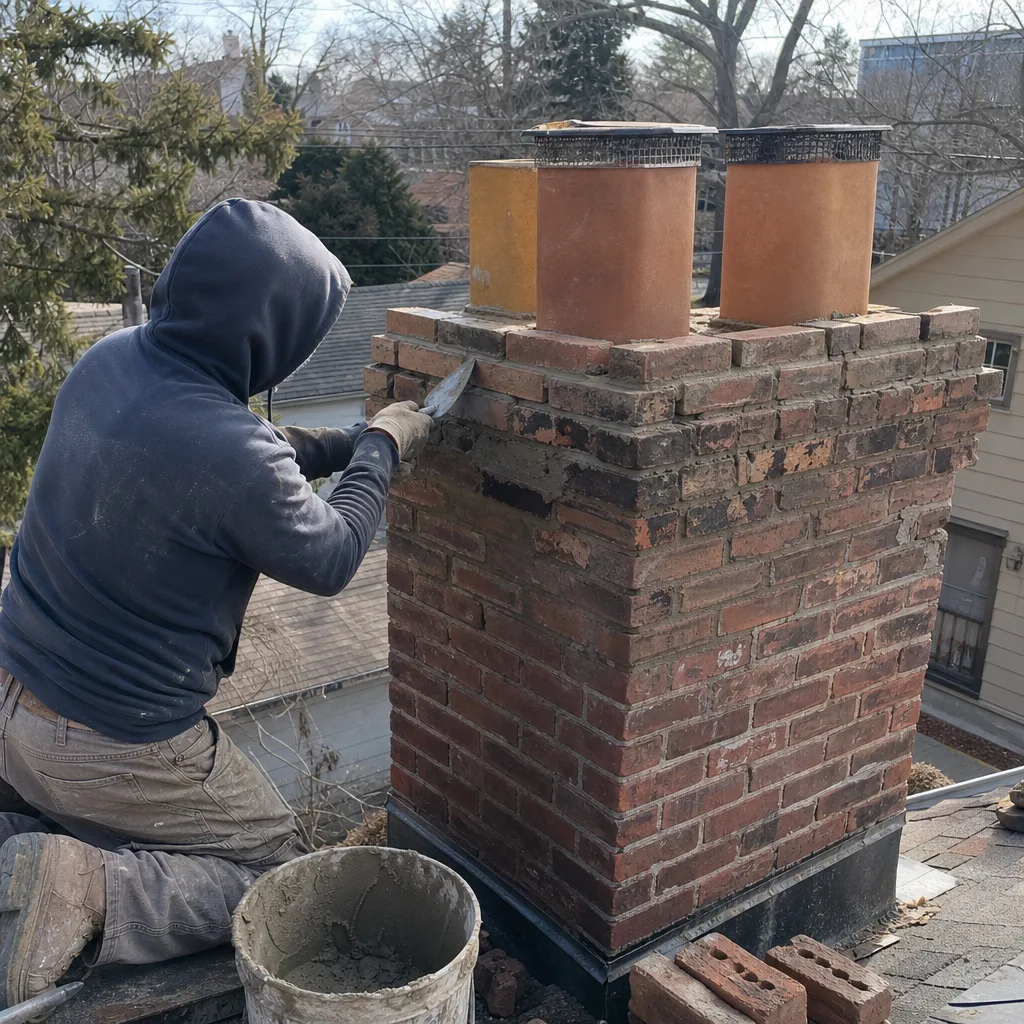
Consistent documentation transforms isolated inspections into a maintenance history that reveals patterns, justifies insurance claims, and prevents unnecessary work. Under Clause 4 of the Haven Standard, every Emberly Chimney Cleaners Evanston visit produces a documented photo record. Homeowners should maintain their own seasonal notes between professional visits.
Late August / Early September (Primary Inspection)
Professional scope: NFPA 211 Level 2 inspection with camera scan. Homeowner supplement:
- Date of last professional cleaning and inspection
- Number of fires since, and fuel type (seasoned hardwood, softwood, gas, or mixed)
- Any drafting issues, smoke spillage, or odor events
- Exterior photo: crown, cap, and visible flue tile from ground level
Late October (Pre-Heating Verification)
Quick homeowner check, 15 minutes:
- Visually confirm cap is present and secure; check for debris visible from below
- Open damper fully; confirm it moves freely and seats closed
- Light a small bundle of newspaper in the firebox; observe draft direction and speed
- Check smoke detector and carbon monoxide detector function
- Note any new exterior cracks or mortar changes since August
January (Mid-Winter Performance Note)
During active use, document:
- Any smoke into room, even brief
- Difficulty starting or maintaining draft
- Unusual odors (musty, chemical, or sharp smoke smell)
- Exterior ice buildup on chimney face (indicates condensation or leak)
March (Post-Winter Damage Survey)
Exterior walk-around with dated photos:
- Crown: new cracks, ponding, or separation
- Flashing: lifted, rusted, or separated
- Mortar joints: spalling depth, fresh erosion, efflorescence
- Brick faces: new spalling areas, pattern (random vs. below failed joints)
May (Repair Planning)
Compare March photos to October. Schedule repairs for identified damage. Update professional documentation with homeowner notes before the August inspection cycle repeats.
This documentation rhythm aligns with Evanston’s actual weather risks, not an arbitrary calendar. The homeowner who maintains these records receives more accurate assessments, avoids emergency repairs, and has evidence if insurance or real estate transactions require it. For more guides & resources on protecting your home, see our blog.
Our Chimney Cleaning & Sweep in Evanston service includes full documentation delivery, and we archive records for comparison across visits.
Common Mistakes to Avoid
- Cleaning in November because “that’s when you’re supposed to.” In Evanston, November often brings damp flues and early freezes. The inspection baseline is compromised, and freeze damage risk during cleaning is elevated.
- Assuming gas fireplaces need no inspection. Gas venting systems accumulate debris, suffer liner deterioration from acidic condensation, and can develop blockages that cause carbon monoxide spillage. The inspection interval is longer, but skipping it entirely is hazardous.
- Ignoring summer animal signs. Scratching sounds, debris falling into the firebox, or sudden draft changes in May through August often indicate nesting. Addressing it promptly prevents protected-species delays and fire hazards from nest material.
- Repairing exterior damage in wet conditions. Tuckpointing or crown repair applied to damp masonry fails prematurely. Evanston’s spring humidity often extends into May; waiting for genuine dryout saves repeated work.
- Comparing this year’s inspection to memory, not photos. Human memory of crack width, spalling depth, or creosote color is unreliable. The photo record from Clause 4 of the Haven Standard exists precisely because verbal descriptions degrade.
- Using unseasoned or “just cut” wood because it’s available. Wood with moisture content above 20% produces Class III creosote rapidly and cools the flue, worsening condensation. In Evanston’s already humid environment, this accelerates liner degradation measurably.
- Treating all chimney professionals as equivalent. A flashlight inspection and a camera-scan Level 2 inspection produce different information. In Evanston’s moisture-challenged environment, the difference between adequate documentation and inadequate documentation is often the difference between catching a problem early and discovering it after damage spreads.
When to Call a Professional
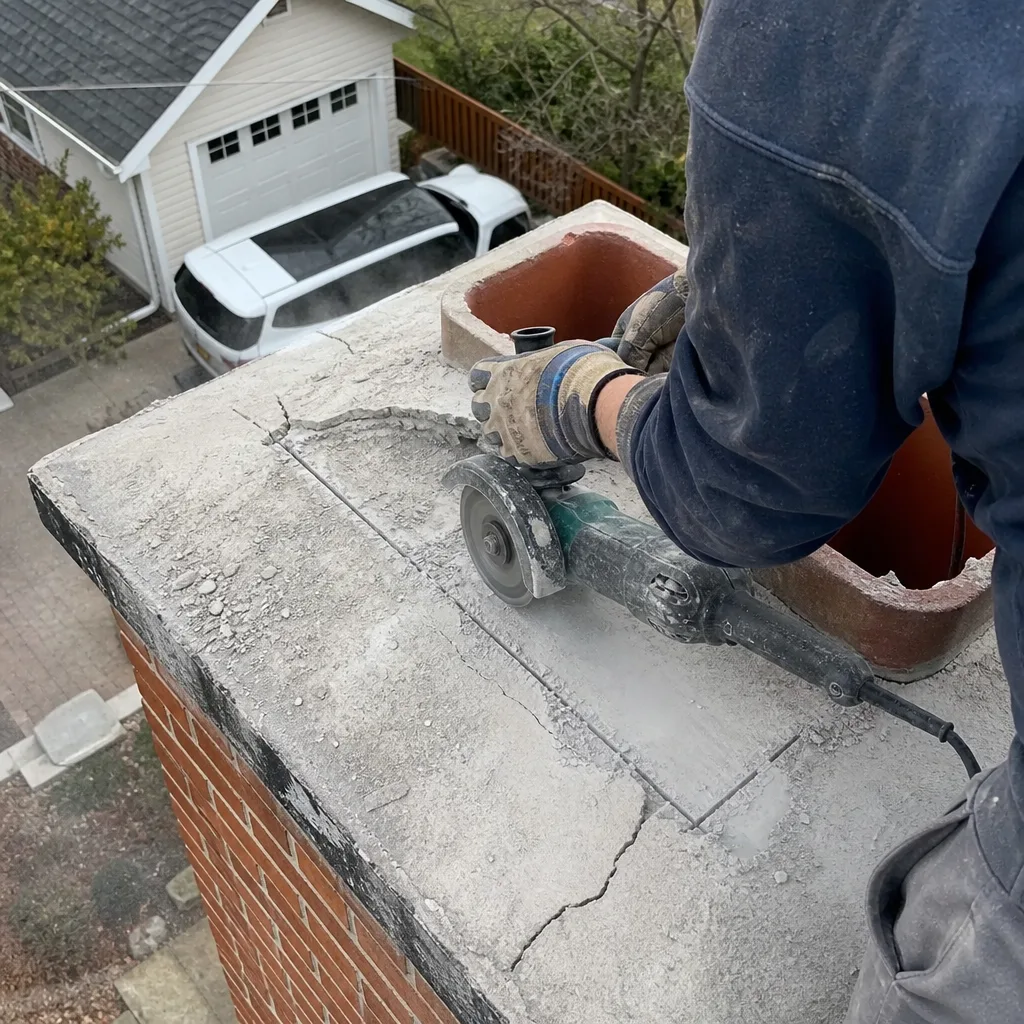
Some conditions require immediate professional assessment regardless of your scheduled maintenance calendar. Call for an inspection if you notice smoke entering the room during normal operation, a persistent chemical or musty odor from the fireplace, visible exterior leaning or separation of the chimney from the house, or debris falling into the firebox that you cannot identify.
Carbon monoxide symptoms, headache, nausea, or dizziness among household members during heating season demand emergency response: evacuate and call 911 before calling a chimney professional.
For non-emergency concerns, Chimney Repair in Evanston through Emberly Chimney Cleaners Evanston includes free estimates with written scope and pricing before any work begins. Our 365-Day Done Right Promise applies to all services. Call (708) 234-1174 to schedule, or for our Free Second Opinion on any competitor’s written estimate.
Frequently Asked Questions
A standard chimney sweep in Evanston typically ranges from $225 to $375 for a single flue, with NFPA 211 Level 2 camera inspection included. Multi-flue systems, inserts, or significant creosote accumulation increase the scope. We deliver a written price before any work starts, with no variance once approved. Call (708) 234-1174 for an exact quote, estimates are free.
Not unless camera evidence shows failure. We replace liners when inspection reveals cracks, gaps, or deterioration that compromise containment of heat and combustion gases. In Evanston’s moisture environment, clay tile liners degrade faster than in drier climates, but many last decades with proper maintenance. We show you the camera footage, explain the failure mode, and provide a written scope with alternatives. Work that can safely wait is identified as such.
For wood-burning fireplaces used regularly, annually in the late September to mid-October window. For occasional use, every two years with an annual Level 2 inspection. Gas systems need inspection every two to three years, with cleaning only if debris or deterioration is found. The specific timing matters more than the interval in Evanston’s climate.
Accumulated creosote ignites at 451°F, well within normal fire temperatures, causing chimney fires that damage liners and spread to framing. Blocked or deteriorated vents release carbon monoxide into living spaces. Moisture degradation progresses from mortar joints to structural integrity. In Evanston, the moisture acceleration means these risks compound faster than national averages suggest. The cost of prevention is consistently lower than the cost of remediation.
Homeowner visual checks from ground level are valuable for tracking exterior changes. Interior flue inspection requires specialized camera equipment and training to interpret. NFPA 211 Level 2 inspection specifically requires camera scan documentation of the full flue length, smoke chamber, and accessible portions of the firebox. We do not recommend homeowner attempts at interior inspection due to fall risk and the expertise required to distinguish normal wear from hazardous conditions.
A sweep removes combustible deposits (creosote, soot, debris) from the flue and firebox. An inspection evaluates the system’s condition, including liner integrity, structural soundness, and clearance to combustibles. In practice, we perform both together: inspection first to document baseline condition, then sweep if needed, then post-sweep verification. The camera record captures before and after states. Our Fireplace Services in Evanston page details the full scope.
The Bottom Line
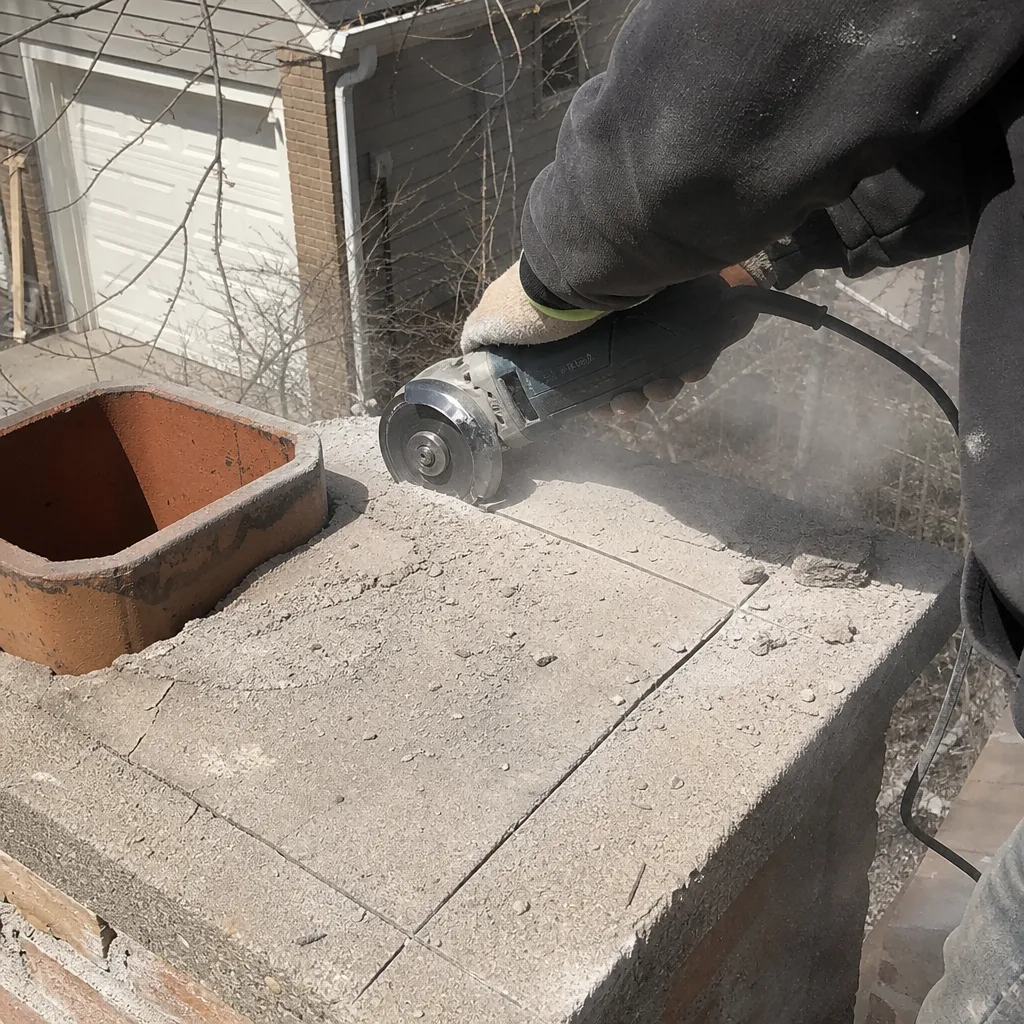
Evanston’s lakefront location creates a chimney maintenance schedule that diverges from national guidance. The humid shoulder seasons, compressed freeze-thaw transitions, and wet summer dormancy mean that timing matters as much as technique. Clean in the damp autumn, and you miss information. Ignore the summer, and moisture degrades what winter will test. The homeowners who maintain their systems best are those who document across all four risk windows and schedule professional work when the masonry is actually ready for it.
Emberly Chimney Cleaners Evanston has applied this calendar since 2009, with 38,000+ inspections and cleanings completed under the Haven Standard. Every job includes a written price before work starts, a camera-scan photo record under Clause 4, and the 365-Day Done Right Promise. Materials from DuraFlex, HeatShield, Gelco, and other suppliers come through our Haven buying network, priced without markup theater.
Call (708) 234-1174 for a free estimate, or bring us any competitor’s written estimate for our Free Second Opinion. Live phone support is available 24 hours a day.
Written by Corrine Halstead, Owner at Emberly Chimney Cleaners Evanston, serving Evanston since 2009.